

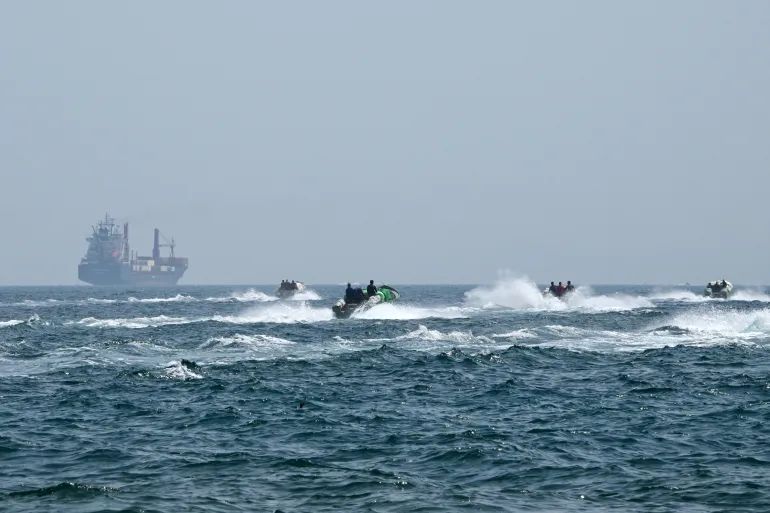
The Hormuz Strait vote has triggered a sharp warning from Iran, cautioning against “provocative action” ahead of a United Nations Security Council decision on protecting shipping routes.
Iranian officials stressed that the Hormuz Strait vote could escalate tensions if it authorises the use of defensive force, describing such moves as potentially destabilising for an already volatile region.
Foreign Minister Abbas Araghchi stated, “Any provocative action by aggressors and their supporters will only complicate the situation,” signalling Tehran’s firm opposition to external military involvement.
The vote, initially scheduled for Friday, was postponed by the 15-member council, with diplomats citing the observance of Good Friday as the primary reason for the delay.
Despite the explanation, questions have emerged over the timing, as the holiday was already known when the vote was originally placed on the council’s schedule.
The draft resolution, introduced by Bahrain, seeks authorisation for the use of defensive force to safeguard commercial shipping in the strategic waterway.
The Strait of Hormuz remains one of the world’s most critical oil transit corridors, handling a significant portion of global oil shipments daily.
Tensions have risen following repeated incidents involving attacks on vessels, which Western powers have attributed to Iranian-linked actors operating in the region.
Tehran has consistently denied direct involvement, instead accusing its adversaries of using such claims to justify increased military presence near its borders.
The Hormuz Strait vote is therefore seen as a pivotal moment that could shape the next phase of international engagement in the Gulf.
Security analysts warn that authorising force may deter attacks in the short term but risks provoking a broader confrontation with Iran.
Others argue that failure to act decisively could embolden further disruptions to maritime traffic, threatening global energy supplies and economic stability.
Shipping companies have already begun reassessing routes and insurance costs, reflecting growing uncertainty over safe passage through the narrow strait.
Industry experts note that “even limited disruptions in Hormuz can send shockwaves through global oil markets,” underlining the stakes involved.
Iran’s warning underscores its sensitivity to foreign military operations near its territorial waters and its readiness to respond to perceived threats.
The Hormuz Strait vote has also exposed divisions within the international community over how best to address security concerns in the region.
Some council members advocate a strong stance to ensure freedom of navigation, while others emphasise diplomacy and de-escalation as the preferred path.
Diplomatic sources indicate ongoing negotiations behind closed doors, with amendments to the resolution being considered to secure broader support.
Iranian officials have framed the proposed measures as an infringement on sovereignty, arguing that regional security should be managed by local actors.
They maintain that external intervention risks worsening tensions rather than resolving underlying disputes.
Meanwhile, Gulf states closely monitoring the developments have expressed concern over the potential impact on trade and regional stability.
The Hormuz Strait vote comes amid a wider pattern of escalating rhetoric and military activity across the Middle East.
Recent weeks have seen increased naval deployments, surveillance operations, and heightened alert levels among key regional players.
Observers believe the outcome of the vote could influence future military postures and alliances in the Gulf.
There are also concerns that any authorisation of force might lead to miscalculations or unintended clashes at sea.
“Crowded waters and high tension levels create a dangerous mix,” one analyst remarked, highlighting the risks of escalation.
The United Nations faces a delicate balancing act, seeking to protect international shipping while avoiding actions that could inflame tensions further.
Delays in the voting process may provide additional time for diplomacy, though they also prolong uncertainty for stakeholders.
The Hormuz Strait vote is expected to draw intense global attention once rescheduled, given its far-reaching implications.
Energy markets, in particular, are likely to react swiftly to any developments, reflecting the strait’s central role in global oil supply chains.
Read also: Reform UK pensions triple lock U-turn as Farage backs policy with biggest benefits cuts plan
Investors and policymakers alike are watching closely, aware that decisions made at the UN could ripple across economies worldwide.
Iran’s message appears aimed at deterring any resolution perceived as hostile, while signalling its willingness to defend its interests.
At the same time, Western nations continue to stress the importance of maintaining open and secure shipping lanes.
The interplay between deterrence and diplomacy remains at the heart of the ongoing debate within the Security Council.
The Hormuz Strait vote may ultimately test the effectiveness of multilateral institutions in managing complex geopolitical crises.
Analysts suggest that a balanced resolution could help reduce tensions, though achieving consensus remains challenging.
For now, uncertainty persists as negotiations continue and stakeholders weigh the potential consequences of each outcome.
The situation highlights the fragile equilibrium in the Gulf, where strategic interests, economic concerns, and security risks intersect.
As discussions progress, the world awaits clarity on whether the Hormuz Strait vote will ease tensions or deepen divisions in an already strained region.
About The Author

Looking for a solid betting app, is the Ok Bet app worth checking out? Seems convenient. Check out the ok bet app and see
Mình thích xem phim blu phim ở đây! Chất lượng tốt lắm. Highly recommended to all my friends. See here what you can watch! xem phim blu phim!
Downloading the Casino Plus app now. Fingers crossed for a smooth experience and some winning spins! Mobile gaming FTW! Get the app now casino plus app download!