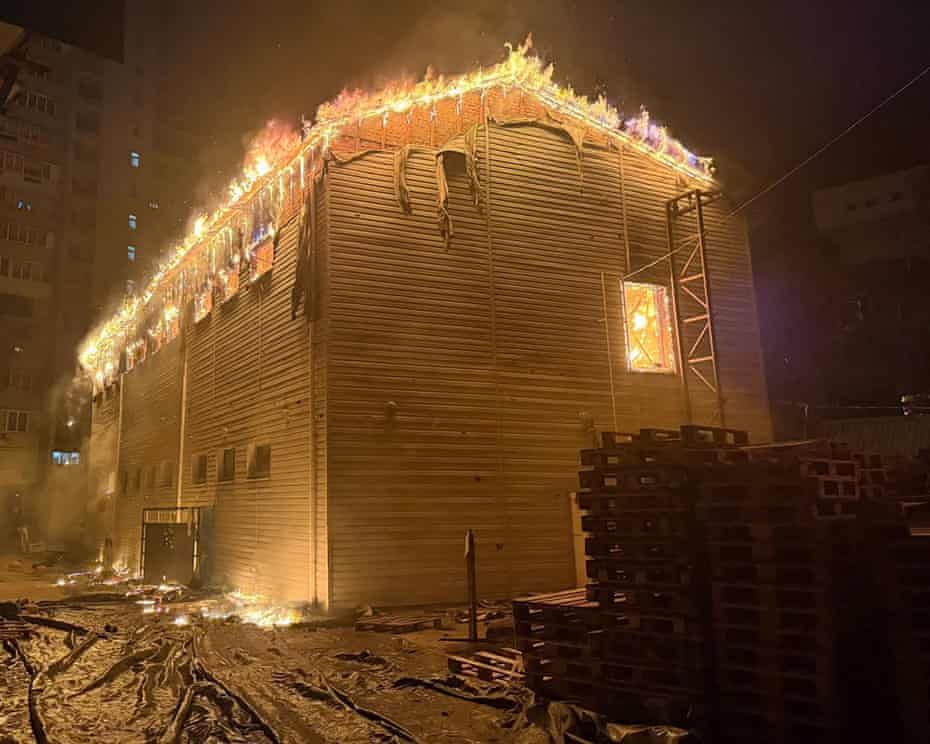
Israel admits troops opened fire
The Hind Rajab killing has taken a dramatic new turn after Israel admitted its soldiers fired on the car carrying the five-year-old Palestinian girl and six relatives.
The admission concerns an incident from January 2024 that became one of the most haunting episodes of the Gaza war, following Hind’s desperate attempt to survive.
Hind was travelling in a Kia Picanto with relatives as the family attempted to escape an Israeli offensive around Gaza City when gunfire struck their vehicle.
The five-year-old survived the initial attack, but became trapped inside the damaged car among the bodies of her relatives, facing a terrifying wait for help.
During a three-hour telephone conversation with Palestinian Red Crescent operators, Hind repeatedly pleaded for rescuers to reach her, describing her fear.
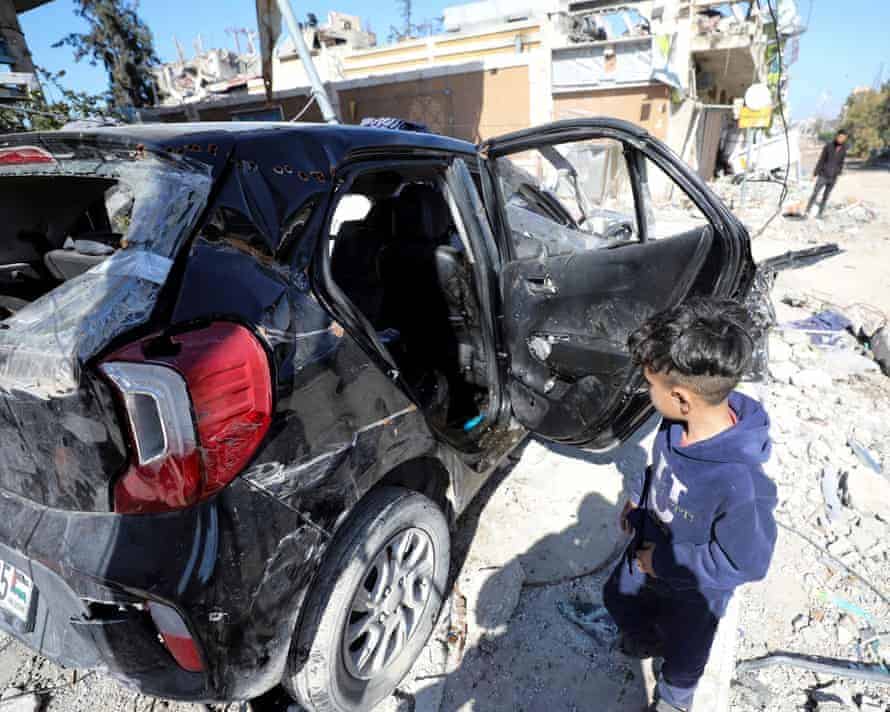
Her words transformed the Gaza tragedy into an international symbol of the devastating consequences of war on children and civilians.
The Palestinian Red Crescent eventually dispatched an ambulance towards the location, but the rescuers themselves came under fire while attempting to reach the stranded child.
Two paramedics were killed, while Hind and her relatives remained inside the vehicle until Israeli forces withdrew and rescuers could finally reach the scene.
According to The Guardian, the Israeli military now says it has initiated a criminal investigation after reviewing the circumstances surrounding the deaths and ambulance operation.
A denial followed by an admission
For months, the Israeli military maintained that its forces were not present near the location when the family was killed, creating intense controversy.
However, investigations by journalists and researchers produced evidence suggesting Israeli military vehicles were operating nearby when the family came under sustained gunfire.
That earlier denial made Wednesday’s admission particularly significant because the military has now acknowledged that Israeli soldiers fired at the vehicle.
The admission does not itself establish criminal responsibility, but it represents a major shift from the earlier account surrounding one of Gaza’s most recognisable civilian tragedies.
The military also acknowledged that troops fired on the ambulance sent to rescue Hind, adding another disturbing dimension to the incident.
The Red Crescent ambulance was supposed to provide emergency assistance, yet the mission ended with the deaths of two medical workers responding to a child’s desperate call.
For Hind’s family and supporters, the announcement raises an obvious question: will the promised investigation produce accountability, or simply another internal military review?

The ambulance tragedy
The circumstances surrounding the Gaza ambulance attack have intensified concerns about the protection of medical personnel operating during armed conflict.
The ambulance crew travelled towards Hind’s location after maintaining contact with her, hoping to rescue the frightened child before it became too late.
Instead, the paramedics were killed, and the victims’ bodies could not be recovered until twelve days after the original incident.
The delay meant Hind’s final moments remained unknown for days, deepening international attention surrounding her disappearance and the fate of her rescuers.
Why the investigation matters
The announcement of an IDF criminal investigation is important because military inquiries into alleged misconduct can determine whether individual soldiers or commanders face disciplinary or criminal consequences.
Yet questions about accountability remain, particularly because previous investigations involving Palestinian civilian deaths have often produced limited prosecutions.
The Israeli military maintains that its forces do not deliberately target civilians and says combat operations in Gaza have unfolded under exceptionally difficult circumstances.
Israel also argues that Hamas operates among civilian populations, creating complex battlefield conditions and increasing risks to non-combatants during military operations.
Critics, however, argue that difficult combat conditions cannot remove the obligation to distinguish between civilians, medical personnel and legitimate military targets.
That tension lies at the heart of the latest investigation, with attention now focused on evidence, command decisions and whether the findings will become public.
A wider accountability question
The Hind case is not isolated, as the Israeli military simultaneously announced decisions concerning several other controversial incidents involving Palestinian civilians and humanitarian workers.
Among them was the killing of fifteen Palestinian medics and humanitarian personnel near Rafah in March 2025, where another criminal investigation was announced.
The military also declined to open criminal proceedings over an April 2024 strike that killed seven World Central Kitchen humanitarian workers, including Australian aid worker Zomi Frankcom.
World Central Kitchen rejected Israel’s explanation, arguing that its vehicles were clearly marked, its movements coordinated, and its personnel known to the military.
The contrasting decisions have therefore intensified scrutiny over how Israel determines which battlefield incidents warrant criminal investigation and which are treated as operational mistakes.
Hind’s story remains a symbol
More than two years after her death, the story of Hind continues to resonate because it began not with combat, but with a child’s voice asking strangers for help.
Her call captured something profoundly human: fear, confusion and the desperate hope that someone would come before the danger became unavoidable.
The latest admission means that the central question surrounding the Hind Rajab killing has changed from whether Israeli forces were involved to whether those responsible will face meaningful accountability.
Read also:France aid in dying law comes into force after constitutional approval
For Palestinians and human rights advocates, that distinction is crucial because an investigation without consequences could leave another painful episode unresolved.
For Israel, the case presents another test of whether its military justice system can independently examine alleged misconduct involving civilian casualties.
The world will now watch whether the investigation establishes responsibility, explains the decisions that led to the shooting, and delivers justice for Hind, her family and the two rescuers.
About The Author