Global markets came under renewed pressure on Tuesday as escalating trade tensions between the United States and Europe triggered a broad sell-off across equities, government bonds and currencies.
Investors retreated from US assets amid fears that a fresh round of tariffs could disrupt global trade flows, fuel inflationary risks and complicate monetary policy decisions in major economies.
The downturn reversed earlier optimism seen at the start of the week, underscoring how sensitive markets remain to geopolitical developments and trade policy signals from Washington.
US-Europe Trade Tensions as Risk Appetite Weakens
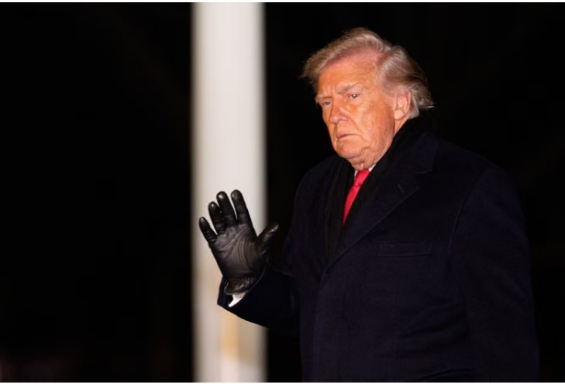
Market participants reacted swiftly after US President Donald Trump reiterated his intention to impose new tariffs on European imports if ongoing trade negotiations fail to yield concessions favourable to American manufacturers.
The renewed rhetoric revived memories of last year’s tariff shock, which had triggered a prolonged period of volatility across global markets.
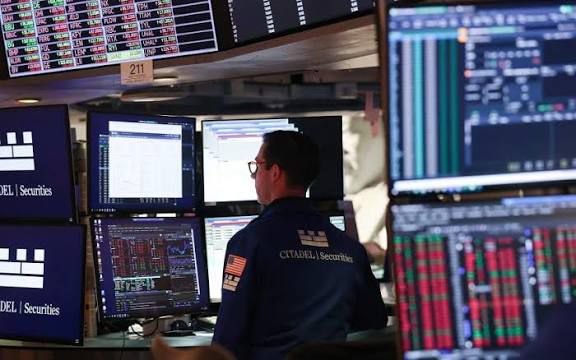
On Wall Street, the sell-off gathered momentum as investors reduced exposure to risk assets.
The S&P 500 Index fell sharply, shedding over one per cent in a single session as selling pressure intensified across technology, industrial and financial stocks.
Analysts noted that the decline reflected both trade-related concerns and broader unease about stretched equity valuations after months of strong gains.
Investor anxiety was further reflected in the Cboe Volatility Index, commonly referred to as Wall Street’s “fear gauge,” which climbed to its highest level in eight weeks.
The jump signalled rising demand for downside protection as traders braced for potential escalation in the trade dispute.
According to portfolio managers, the market reaction, while pronounced, stopped short of outright panic. Instead, it reflected a recalibration of risk expectations.
Jim Carroll, a senior wealth adviser and portfolio manager at Ballast Rock Private Wealth, said the shift in market sentiment had been “significant,” noting that investors were reassessing assumptions about trade stability and economic growth.
However, Carroll added that the moves did not yet suggest a disorderly sell-off, pointing out that liquidity conditions remained stable and that institutional investors were still selectively active.
Beyond equities, US government bonds also came under pressure. Long-dated Treasuries recorded notable price declines, pushing yields higher as investors reassessed the outlook for inflation and fiscal policy.
Traditionally, Treasuries benefit from risk-off sentiment, but analysts explained that concerns about rising government borrowing and potential tariff-induced inflation limited demand for longer-term bonds.
Currency markets mirrored the unease seen in equities and bonds. The US dollar weakened against a basket of major currencies, falling to a multi-week low as investors reduced exposure to US-linked assets.
The decline highlighted a shift away from the dollar’s safe-haven status, driven by worries that protectionist trade policies could undermine long-term economic stability.
In contrast, volatility in the euro surged, reflecting uncertainty over how European economies could be affected by possible US tariffs.
One-month implied volatility for the euro climbed significantly, indicating heightened expectations of sharp currency swings in the near term.
Market strategists said the synchronized decline across stocks, the dollar and Treasuries underscored the complexity of the current risk environment.
Alex Morris, chief executive officer and chief investment officer at F/m Investments, described the market response as a typical reaction to geopolitical stress.
According to him, investors tend to trim equity exposure, increase cash holdings and seek alternative hedges such as gold when faced with trade-related uncertainty.
Gold prices, while not experiencing a dramatic spike, held firm as demand for safe assets ticked higher.
Commodity analysts said the metal continued to serve as a hedge against geopolitical and currency risks, particularly as confidence in traditional safe havens like US bonds appeared less assured.
In Europe, equity markets also recorded losses, with major indices in Frankfurt, Paris and London closing lower.
Export-oriented companies were among the worst performers, reflecting fears that higher tariffs could disrupt supply chains and dampen earnings growth.
European policymakers have warned that retaliatory measures could follow if the US proceeds with new trade restrictions, raising the prospect of a broader transatlantic trade dispute.
Meanwhile, emerging markets faced renewed pressure as global investors scaled back risk exposure.
Analysts cautioned that prolonged trade tensions could lead to capital outflows from developing economies, particularly those reliant on export demand or external financing.
Market participants are now closely monitoring diplomatic signals from both Washington and European capitals for indications of compromise.
Michael Brown, a market analyst at online broker Pepperstone, said the potential for further volatility remained high if there was no clear progress toward resolving the tariff standoff.
He warned that repeated cycles of threats and counter-threats could keep markets on edge for weeks.
Brown added that traders were likely to remain cautious ahead of upcoming economic data releases and central bank communications, which could either amplify or moderate market reactions to trade developments.
Looking ahead, analysts believe that the trajectory of global markets will largely depend on whether trade tensions ease or escalate further.
A negotiated settlement could restore confidence and revive risk appetite, while prolonged uncertainty may continue to weigh on equities, currencies and bonds.
For now, the latest episode serves as a reminder of how quickly sentiment can shift in an interconnected global financial system.
As stocks, the dollar and Treasuries slide on US-Europe trade tensions, investors are once again confronting the reality that policy decisions and political rhetoric can have far-reaching consequences for markets worldwide.
About The Author