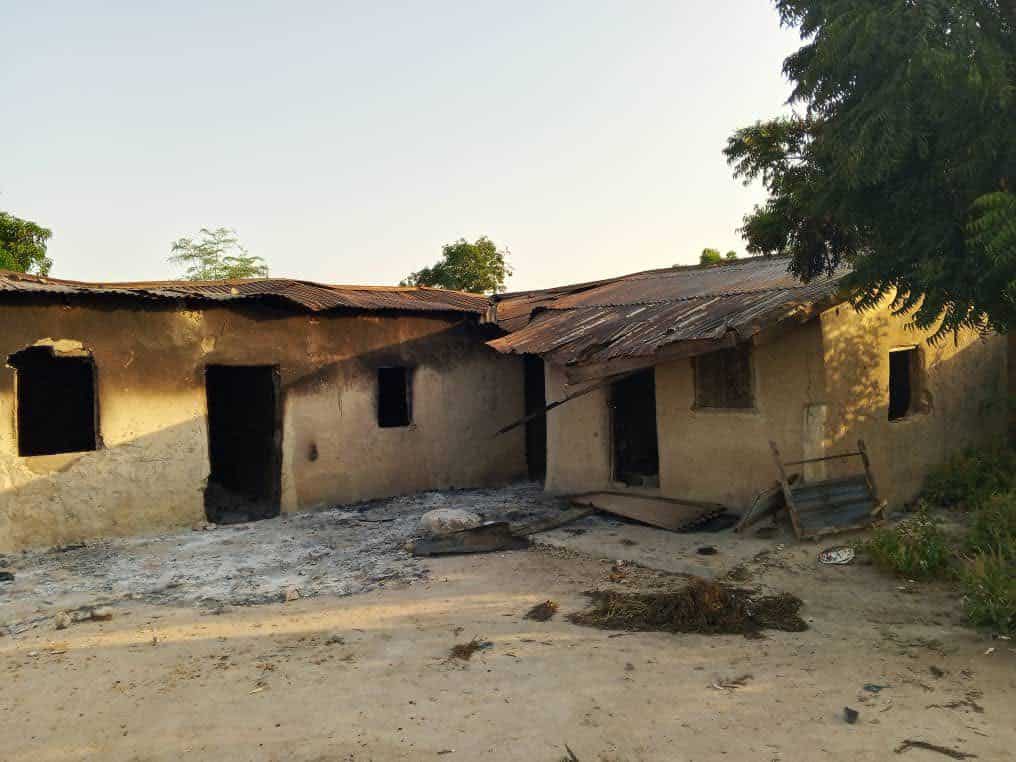
A sweeping pollution crisis has driven tens of thousands of protesters to paralyze Gabes, Tunisia, as citizens demand accountability from the CGT phosphate plant and urgent environmental reform.
Shops, schools, markets, and cafés remained closed Tuesday in Gabes during a citywide general strike, called by the UGTT union, reflecting widespread anger at toxic emissions and long-standing industrial neglect.
Residents filled streets carrying banners denouncing decades of environmental pollution caused by the phosphate plant, chanting slogans like “Gabes wants to live” and “dismantle the polluting units,” demanding government intervention.
“Everything is closed in Gabes,” said UGTT representative Saoussen Nouisser, emphasizing that the city’s residents are furious over hazardous chemical exposure, collapsing marine life, and the lack of meaningful regulation.
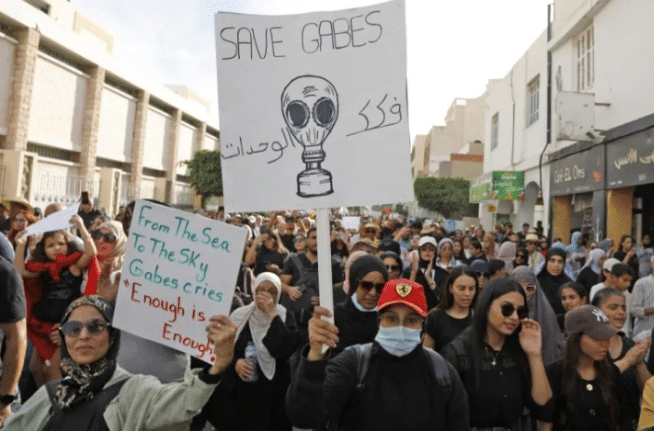
Gabes, home to nearly 400,000 people, has witnessed repeated mass protests as locals call for immediate shutdowns of the plant, linking the pollution crisis to rising cancer and respiratory illnesses.
President Kais Saied described the situation as an “environmental assassination” and blamed previous administrations for widespread health and ecological damage, marking the protests as one of his toughest governance challenges.
Sami Al-Tahiri, UGTT secretary-general, said the strike had achieved nationwide participation and warned authorities that citizens were prepared to escalate protests if the government failed to tackle the crisis.
Authorities have announced urgent measures, involving Chinese companies to mitigate toxic emissions, yet residents argue these efforts fail to address the systemic causes of the pollution crisis and decades of ecological damage.
The plant, established in 1972 to produce fertilizers, is widely blamed for gas poisoning, radioactive contamination, and collapsing marine ecosystems, creating a longstanding environmental and public health emergency in Gabes.
Local hospitals report more than 200 admissions in recent weeks due to respiratory distress linked to toxic gases, highlighting the human toll of the pollution crisis and ongoing industrial negligence.
“The plant has poisoned everything—the trees, the sea, the people,” environmental activist Safouan Kbibieh said, adding that even locally grown produce now carries the chemical smell of industrial emissions.
Despite a 2017 pledge to phase out the plant, authorities opted to boost production, claiming phosphate remains a “pillar of the national economy,” provoking public anger and accusations of prioritizing profit over health.
Residents say daily life is now overshadowed by toxic fumes and contaminated seawater, which harms fishing and agriculture, reflecting how the CGT phosphate plant has become a source of persistent social and environmental tension.
The UGTT union insists the movement is a struggle for human survival, linking economic inequality, industrial pollution, and governance failures, while threatening further general strike actions and mass rallies across Tunisia.
Environmental groups warn that prolonged exposure to emissions has caused irreversible ecological damage and rising cancer rates, framing the pollution crisis as both an urgent public health and governance challenge.
Public trust is further eroded by authorities’ delayed interventions, forcing citizens to demand immediate dismantling of hazardous units and strict enforcement of emissions standards to halt ongoing environmental pollution.
Protesters insist the strike will continue until meaningful reforms are implemented, emphasizing that industrial profit must not come at the cost of human health and ecological survival in Gabes.
International observers have raised alarms over Tunisia’s industrial policies, urging authorities to act transparently, hold companies accountable, and protect communities, highlighting that failure could exacerbate the pollution crisis.
The situation in Gabes demonstrates the dangers of prioritizing economic gains over citizen welfare, emphasizing that sustainable industrial practices are essential to prevent further social unrest and health emergencies.
As citizens maintain pressure on government officials, union leaders reiterate that decisive measures are necessary to end the toxic legacy, illustrating the power of collective action against persistent environmental hazards.
The unfolding crisis signals a critical moment for Tunisia: authorities must address the CGT phosphate plant’s impact, enforce strict regulations, and demonstrate accountability to prevent further deterioration of public trust.
Residents and activists warn that without immediate action, Gabes will continue suffering from industrial neglect, deteriorating health outcomes, and environmental collapse, making the pollution crisis a defining challenge for Tunisia’s governance.

The protests underscore that citizens will not accept industrial harm silently, highlighting how environmental activism and general strike measures can demand accountability while shaping the nation’s approach to industrial safety.
Gabes’ prolonged strike shows the need for stronger policies, regulatory oversight, and transparent enforcement to curb hazardous industrial practices and resolve the persistent pollution crisis affecting the community and ecosystem.
Ultimately, Gabes’ struggle exemplifies the intersection of environmental justice, public health, and governance, demonstrating that citizens’ persistence can compel authorities to act against entrenched industrial environmental pollution.
About The Author