Days after the Gaza ceasefire was announced, the suffering of Gaza’s ailing children continues under relentless humanitarian aid restrictions that have crippled hospitals and broken families’ hope for relief.
“Children don’t have anything,” reporter Hind Khoudary said bluntly from Deir el-Balah, her voice cutting through the dust. “They need clothes, medicine, milk — and none is coming.”
Fewer than 300 trucks now enter the enclave daily — half the required number. Many carry commercial goods instead of relief materials, worsening the Gaza hospitals crisis beyond measure.
Doctors describe scenes of hunger and despair. In one ward, Gaza’s ailing children cling to thin oxygen tubes, their bodies frail from malnutrition and untreated infections that have gone unchecked for months.
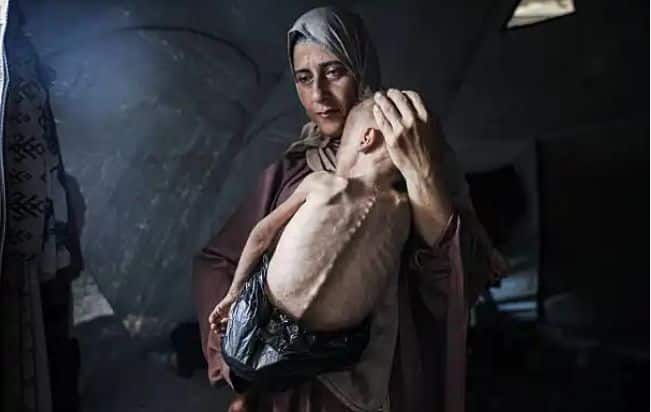
“We are running out of everything,” said Dr Musab Farwana, a paediatrician at the Patient’s Friends Benevolent Society hospital. “Medicine, fuel, even food — all gone. We can’t save everyone.”
Despite the Gaza ceasefire, Israel’s continued humanitarian aid restrictions have left warehouses empty and border gates closed. Parents wait at the gates of hospitals like mourners, holding their starving infants in silence.
Two years of war and bombardment destroyed medical infrastructure. Hundreds of doctors were killed, ambulances shattered, and essential wards rendered useless, deepening the Gaza hospitals crisis across the territory.
Randa Aldhadar, mother of baby Ruqayya, cried softly beside an empty crib. “I can’t produce milk anymore. My daughter is fading away,” she whispered. “Where is the help?”
Her words echo across wards filled with the smell of antiseptic and diesel fumes. Gaza’s ailing children are now symbols of a generation betrayed by both war and false peace promises.
“The ceasefire feels meaningless,” said another nurse at PFBS hospital. “We can’t heal with words. We need medicine, we need fuel — or we’ll lose these kids.”
Israel promised humanitarian openings under the truce, but humanitarian aid restrictions persist. Aid groups report that commercial products outnumber relief items in every convoy crossing into Gaza.
International monitors describe a deceptive calm. The sound of bombs may have stopped, but hunger’s quiet rhythm haunts the wards where Gaza’s ailing children lie motionless under flickering lights.
Tahani Hassouna, mother of infant Alma, has watched her baby shrink under the weight of a failing heart. “She breathes only through oxygen,” she said. “We’re just waiting for death.”
Her hope rests on crossing Rafah — the only gateway for medical evacuations. Yet Israel has refused to reopen it, citing security reasons, tightening the Israeli blockade even amid the Gaza ceasefire.
“We were told the crossing would open,” Tahani said. “Every day I ask if today is the day we leave. Every day, nothing happens.”
At al-Shifa hospital, medical director Mohammed Abu Salmiya said there has been “no improvement whatsoever” since the truce began. “The health situation remains tragic,” he lamented.
Generators roar through the night, keeping incubators alive. Without fuel, even that fragile system collapses. It’s a race between supplies and death — and Gaza’s ailing children are losing.
“The blockade hasn’t really lifted,” said a UN field officer. “Paper agreements mean nothing when the trucks don’t move. Gaza’s crisis remains man-made, deliberate, and cruel.”
Families now sell wedding rings, furniture, even children’s clothes to buy food. Yet the Israeli blockade keeps prices sky-high, pushing survival further out of reach for Gaza’s most vulnerable.
The Gaza hospitals crisis is especially dire in northern areas, where bombardments destroyed nearly every paediatric facility. “We have clinics without roofs,” one medic said. “We treat kids under tents.”
The supposed truce has turned into a waiting game. Doctors wait for medicine, parents for food, and Gaza’s ailing children for a chance to live another day.
“Every morning, we count the ones who didn’t make it through the night,” said Dr Farwana. “They die quietly — no bombs, no headlines, just silence.”
Aid groups blame political games for the paralysis. “Israel decides what enters Gaza and when,” said a regional NGO coordinator. “They weaponise time, letting sickness do what missiles once did.”
The Gaza ceasefire was meant to bring life, not a slower death. Yet humanitarian aid restrictions continue to choke hope, and families see no real change on the ground.
Some aid has trickled through Karem Abu Salem crossing, but barely enough. “It’s crumbs for two million people,” an aid driver said, describing what he called “the cruelest logistics ever devised.”
Inside the PFBS hospital, nurses sing lullabies to distract Gaza’s ailing children from pain. “We can’t give them medicine,” said one. “So we give them songs.”
The Israeli blockade has not only crushed access to care but also dignity. “Parents beg us to take their children abroad,” said a hospital social worker. “We can’t even promise that anymore.”
International agencies, including the United Nations, have urged Israel to open more crossings, citing the Gaza hospitals crisis as a humanitarian emergency requiring immediate intervention.
“Unhindered access is non-negotiable,” a UN statement read. “Children’s lives depend on it. The ceasefire must mean something tangible — food, medicine, and mercy.”
Still, Gaza’s ailing children remain caught between politics and paralysis. They are the quiet victims of a world negotiating their fate with spreadsheets and talking points.
In overcrowded wards, mothers whisper prayers as monitors beep irregularly. The air smells of disinfectant and despair — reminders that the Gaza ceasefire hasn’t stopped the dying.
Even as international headlines fade, local doctors continue documenting the silent collapse. “We report, we cry, we keep working,” said one medic. “Because quitting means more children die.”
Hope, though dim, persists. “Maybe tomorrow the crossings will open,” Tahani said softly. “Maybe tomorrow Alma will breathe without a machine.” Her voice trembled, barely believing it.
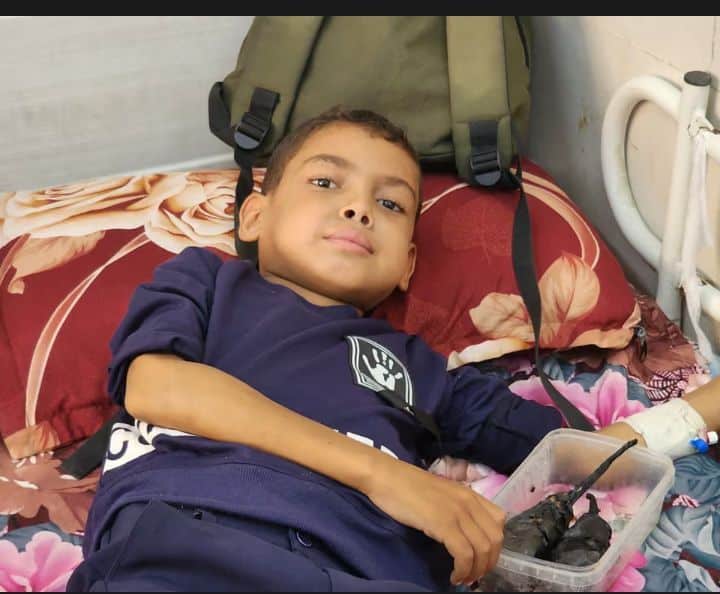
But as night falls again on Gaza City, the hum of dying generators drowns the lullabies. The truce endures, but mercy — like medicine — has yet to arrive.
For now, Gaza’s ailing children remain the measure of this ceasefire’s failure: fragile, forgotten, and still waiting for help that may never come.
About The Author