The AU suspends Madagascar after a military takeover led by Colonel Michael Randrianirina, deepening international alarm and marking yet another chapter in the island nation’s turbulent political history.
Military commander Colonel Michael Randrianirina will be sworn in on Friday as transitional president, just days after the army deposed President Andry Rajoelina, prompting immediate condemnation and African Union sanctions.
The AU suspends Madagascar in reaction to what it termed “an unconstitutional change of government,” vowing that the bloc would not recognise any regime that came to power by force.
Officials said Colonel Michael Randrianirina will take the oath before the High Constitutional Court, declaring himself President of the Refoundation of the Republic, a title meant to signal national renewal.
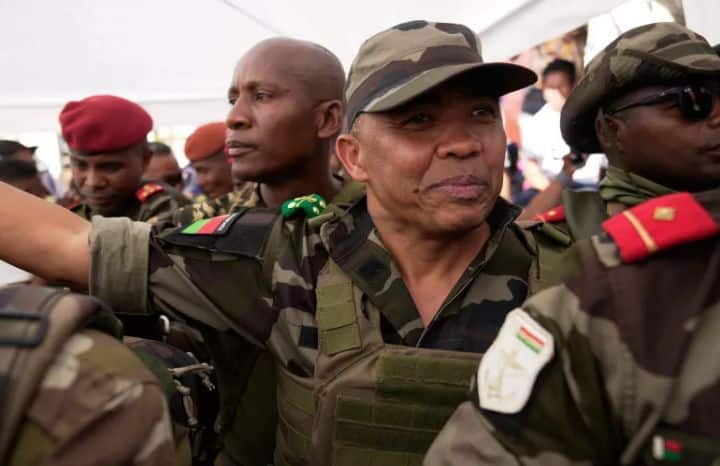
The Madagascar military coup unfolded swiftly after weeks of youth-led protests that paralysed the capital Antananarivo and fractured the already-divided security forces loyal to President Andry Rajoelina.
Crowds celebrated in the streets as Randrianirina’s elite CAPSAT unit rolled through the city, waving national flags while young demonstrators cheered what they called “the people’s revolution against failed leadership.”
The AU suspends Madagascar as observers across Africa recalled the nation’s long pattern of instability, coups and short-lived transitions since its independence from France in 1960.
“The situation is worrying,” said a senior African Union diplomat, insisting that “no justification exists for toppling an elected government,” though acknowledging that public anger had reached boiling point.
For weeks, demonstrators from a movement called Gen Z Madagascar had accused President Andry Rajoelina of corruption, neglect and incompetence amid chronic water shortages, power cuts and soaring youth unemployment.
“We were not born to live in darkness,” shouted one young protester. “We asked for electricity, not bullets. This change came because no one listened to us.”
The Madagascar military coup gathered pace when soldiers began defecting, declaring allegiance to the protesters. Within hours, the presidential palace was surrounded and government ministries suspended their operations.
Witnesses said Colonel Michael Randrianirina announced on national television that the army had seized control “to restore dignity, stability and hope for the people of Madagascar.”
When the AU suspends Madagascar, it also triggered immediate diplomatic isolation. Several Western governments froze aid and demanded a clear timeline for elections and the restoration of civilian rule.
Regional blocs within the continent, including the Southern African Development Community, echoed African Union sanctions, warning that prolonged military rule would worsen Madagascar’s fragile economy.
Inside the country, jubilation mixed with anxiety. “We have had too many coups,” said Antananarivo resident Miora Rakotobe. “We want peace, but we also want leaders who listen.”
The ousted President Andry Rajoelina, who fled abroad after being impeached by parliament, insisted he was still the legitimate leader and condemned the coup as a “betrayal of democracy.”
He told reporters from exile, “I was elected by the people. This so-called transition is illegal. I will return once order is restored and foreign powers stop meddling.”
In response, Colonel Michael Randrianirina accused Rajoelina of “plundering the nation” and vowed to hold free elections within two years, though analysts fear that pledge could fade amid power struggles.
The AU suspends Madagascar partly to pressure the new rulers into an early transition plan. The bloc’s Peace and Security Council called for immediate dialogue among all political factions.
“We will not abandon Madagascar,” said AU Commissioner Bankole Adeoye. “But legitimacy must come from the ballot box, not from the barrel of a gun.”
The Madagascar military coup underscores the rising trend of power seizures across Africa, from Niger to Gabon, which have rattled the continent’s democratic institutions and alarmed international partners.
According to observers, public frustration over corruption, poverty and broken governance repeatedly fuels such takeovers, allowing military leaders to claim popular support while suspending constitutions.
In Antananarivo, life remained tense as soldiers patrolled key intersections. Shops reopened cautiously, but banks, schools and universities stayed shut as the transitional council consolidated control.
“We must always be wary,” said Safika, a protest leader. “The military say they support us, but power changes people. We will keep them accountable this time.”
The AU suspends Madagascar following reports that Randrianirina had once been imprisoned for plotting against President Andry Rajoelina in 2023, a sign of deep mistrust within the army’s hierarchy.
Human rights advocates warned of potential abuses. “We have seen this movie before,” said Amnesty’s regional director. “Revolutions begin with hope and end with repression unless checks exist.”
Diplomats described the African Union sanctions as largely symbolic but important to signal the bloc’s commitment to constitutional order amid a spate of military interventions on the continent.
France, Madagascar’s former colonial ruler, urged restraint while the United Nations expressed “deep concern” over what it called an “unconstitutional transfer of power.”
“The world is watching,” said UN spokesperson Stéphane Dujarric. “Madagascar’s stability matters for the entire Indian Ocean region and for millions of people depending on aid and trade routes.”
The Madagascar military coup has complicated the nation’s fragile economy, already battered by drought, high inflation and dwindling tourism revenue. Investors remain cautious, awaiting clarity on government policy.
Analysts warn that sanctions could worsen poverty, with three-quarters of the population already living below the poverty line, dependent on subsistence farming and small-scale trading.
“Ordinary citizens will pay the price if aid stops,” said economist Liva Andriamanana. “The challenge now is to stabilise the country without sliding into isolation or violence.”
Yet the AU suspends Madagascar even as some African leaders quietly sympathise with Randrianirina, viewing him as a product of the frustration many young soldiers feel toward entrenched political elites.
A South African researcher observed, “Coups are symptoms, not solutions. Unless African governments tackle inequality and corruption, more soldiers will see themselves as saviours.”
The military’s next steps remain uncertain. A transitional council of generals and civilians has been formed, though its composition is still disputed among various factions.
In his first address, Colonel Michael Randrianirina promised “a new republic where the youth lead the way,” pledging to rebuild infrastructure, expand education, and restore international confidence.
“We are not here to rule forever,” he said, flanked by senior officers. “We are here to prepare the ground for honest elections and a brighter future for Madagascar.”
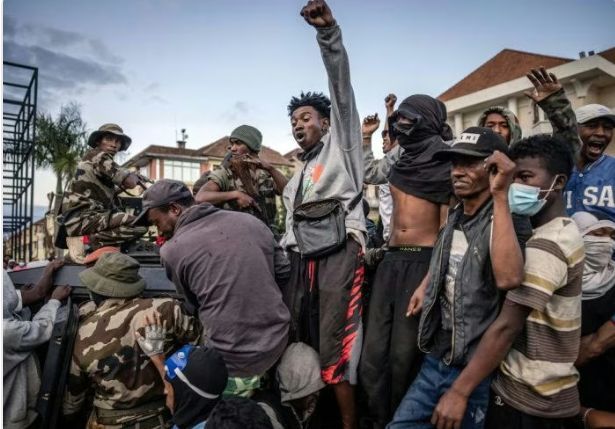
Despite that assurance, scepticism lingers. “We have heard this before,” said university lecturer Hanitra Rasoa. “Every coup begins with promises and ends with broken dreams.”
As night falls over Antananarivo, hope and fear coexist. For many, the AU suspends Madagascar not just as punishment, but as a reminder that democracy remains fragile when power changes hands by force.
Whether this Madagascar military coup ushers in reform or repeats the nation’s painful cycle depends on whether Randrianirina keeps his word—or follows the path of his predecessors.
For now, Colonel Michael Randrianirina stands poised to become the latest strongman in Africa’s long narrative of instability, as the African Union sanctions cast a shadow over his swearing-in ceremony.
The AU suspends Madagascar, but it cannot suspend the people’s yearning for light, justice and jobs. That, ultimately, will determine the fate of this troubled island republic.
About The Author