Madagascar President Andry Rajoelina has reportedly fled the country aboard a French military aircraft, abandoning a nation in turmoil and unrest leaving its political landscape in chaos on Monday.
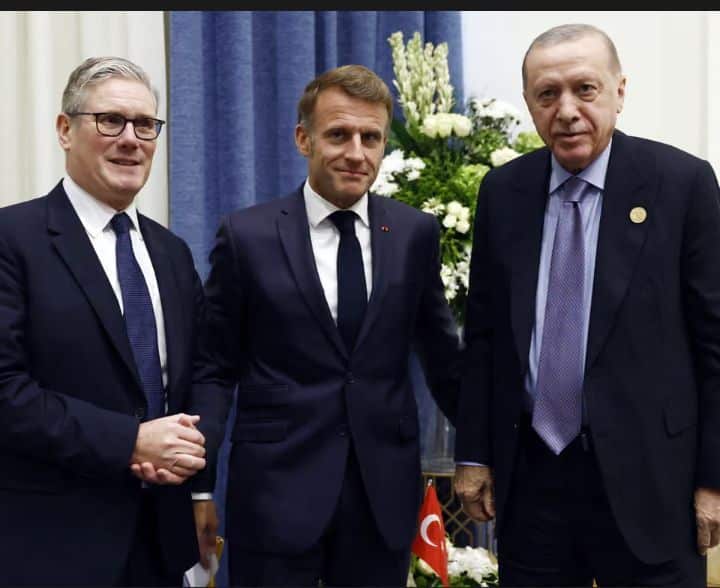
French state radio RFI confirmed Rajoelina, who holds dual French citizenship, left Antananarivo following a diplomatic agreement with President Emmanuel Macron, sparking outrage and uncertainty across Madagascar.
The president had been expected to address the nation at seven p.m., yet his sudden departure left citizens and political analysts questioning the stability of the Rajoelina administration.
Rajoelina, aged 51, first assumed power in 2009 and returned to office in 2023, but mounting dissatisfaction and corruption allegations eroded public trust and political legitimacy rapidly.
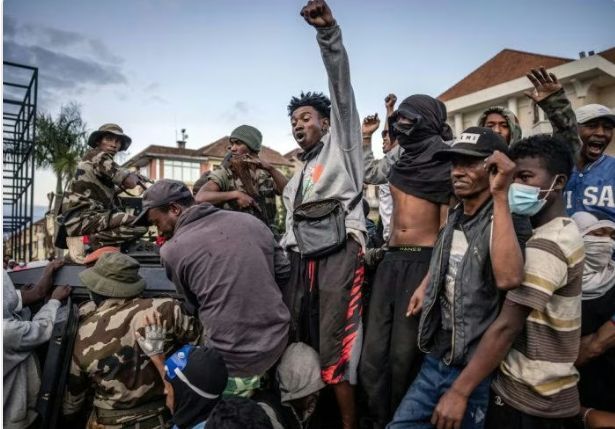
A key turning point occurred when the elite Capsat military unit abandoned Rajoelina, joining the Gen Z Madagascar youth movement protesting systemic corruption, poverty, and government mismanagement nationwide.

Thousands of demonstrators congregated outside Antananarivo city hall, waving flags and chanting slogans, while some clung to military vehicles, defying law enforcement and signaling the depth of popular anger.
The Capsat unit previously played a decisive role in Rajoelina’s initial rise during the 2009 coup, demonstrating the profound political impact of military allegiance on governance and regime survival.
Gendarmerie officers, previously accused of excessive force, admitted fault and overreach in a video statement, highlighting the escalating tension and violence accompanying near-daily anti-government protests over two weeks.
United Nations reports indicate at least 22 fatalities resulted from clashes between security forces and civilians, underscoring the human cost of entrenched political and social instability across Madagascar.
Madagascar president disputed the official death toll, claiming twelve confirmed deaths, all linked to looters and vandals, while international observers criticized this minimization of civilian suffering amid unrest.
The political showdown intensified after the September 19 arrests of two opposition politicians planning protests against chronic power and water shortages, amplifying tensions between the government and civil society.
Capsat soldiers posted a video declaring refusal to fire on fellow citizens, urging officers to resist orders that endangered lives, signaling a historic rupture between military and presidential authority.
“Close the gates and await instructions,” the soldiers declared, warning colleagues not to obey commands targeting their own families or communities, escalating the moral dilemma within the armed forces.
The Gen Z Madagascar movement, primarily composed of young activists, rejected dialogue with the president, demanding immediate resignation and systemic reform to address endemic corruption and failing infrastructure.
Observers warn that Rajoelina’s sudden departure marks a critical turning point, potentially creating a power vacuum susceptible to opportunistic political factions, destabilizing the fragile governance structure.
International attention has focused on France’s role in facilitating the president’s exit, raising questions about foreign influence and the implications for Madagascar’s sovereignty and domestic politics.
Economic analysts predict continued instability will further damage Madagascar’s economy, as investor confidence plunges, tourism falters, and basic services remain disrupted due to political unrest and military defection.
The intersection of youth activism and military defection illustrates a growing trend across Africa, where generational discontent and corruption grievances catalyze rapid, unpredictable regime changes.
Protesters have vowed persistence, declaring themselves the “last hope” for Madagascar’s future, promising to continue demonstrations until comprehensive reforms and leadership accountability are achieved.
Local media report sporadic violence and looting in multiple cities, demonstrating the risks associated with sudden regime collapse and highlighting the challenges facing transitional authorities in restoring order.
Analysts note the symbolic importance of the Capsat unit’s defection, as elite military support has historically determined the success or failure of presidents, particularly in nations with fragile democratic institutions.
Political commentators emphasize that Rajoelina’s flight undermines confidence in centralized authority, emboldening opposition parties, youth movements, and civil society organizations demanding immediate change and accountability.
The UN and international observers are calling for restraint, urging all parties to avoid further violence and pursue a transparent, peaceful transition of power amid escalating public anger.
Human rights groups have condemned both government repression and criminal violence during protests, emphasizing the urgent need for accountability, judicial oversight, and protection of civilian populations.
The dual citizenship and external flight of Madagascar president complicate potential legal accountability, raising questions about international law, extradition, and diplomatic interventions in politically charged crises.
Public sentiment remains volatile, with social media amplifying calls for Rajoelina’s resignation, highlighting the role of digital activism in contemporary political movements and youth mobilization strategies.
The ongoing crisis illustrates deep structural vulnerabilities in Madagascar’s governance, exposing weaknesses in accountability, military loyalty, and public service delivery that have fueled long-standing dissatisfaction.
Rajoelina’s departure signals a potentially historic moment, as the interplay between military defection, youth activism, and public protests demonstrates that entrenched leaders cannot ignore systemic corruption indefinitely.
Madagascar now faces an uncertain future, where transitional authorities must navigate fragile political alliances, prevent further unrest, and restore public trust to stabilize governance and societal cohesion.
The international community remains closely monitoring developments, emphasizing diplomacy, humanitarian support, and measured engagement to mitigate the risks of prolonged instability and socio-political collapse.
About The Author