The push toward implementing the Gaza ceasefire phase two remains stalled as new disputes, mounting violations, and deepening humanitarian fears overshadow diplomatic progress.
Hopes for movement on the Gaza ceasefire phase two were dampened as Hamas reiterated that ongoing Israeli actions undermine trust and prevent transition into the next stage.
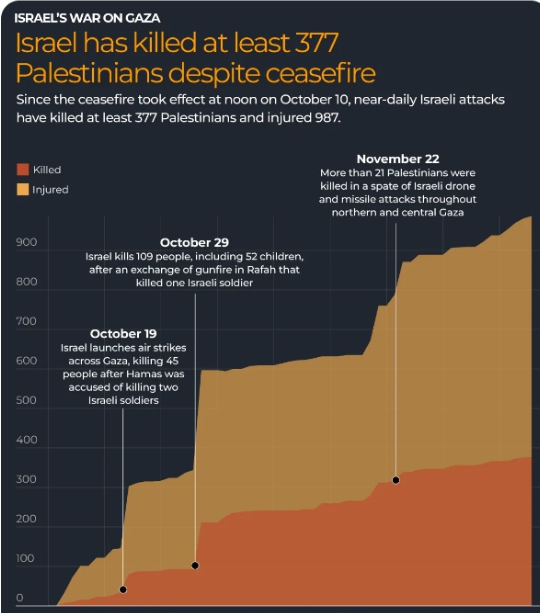
Gaza authorities report hundreds of incidents labelled as violations, arguing that these actions conflict with the spirit of calm required to advance the Gaza ceasefire phase two.
Officials connected to Hamas insist the group cannot commit to further steps while what they describe as Gaza truce violations continue at levels impossible to ignore.
Their stance highlights entrenched mistrust between both sides and raises doubts over whether Israel Hamas negotiations can overcome mounting tensions surrounding the proposed framework.
Israeli officials have rejected accusations of systematic breaches, but the persistent allegations have hardened Hamas ceasefire demands during discussions about the future of Gaza governance.
Meanwhile, diplomatic observers warn that the Gaza humanitarian situation remains dangerously unstable despite weeks of reduced large-scale bombardment under the initial stage of the ceasefire.
Humanitarian agencies say that living conditions in displacement shelters have deteriorated sharply as overcrowding, limited sanitation, and food shortages intensify pressure on vulnerable communities.
Aid groups fear the approaching winter storm will compound suffering, bringing freezing temperatures, heavy winds, and flooding into areas already devastated by months of bombardment.
The coming storm threatens flimsy temporary shelters across the enclave, raising urgent questions about civilian safety during the fragile Gaza ceasefire phase two negotiations.Re
Weather experts warn the storm could last more than seventy hours, heightening risks for families living in makeshift tents that offer almost no effective protection.
Relief workers report growing panic among displaced Palestinians, many of whom lack blankets, warm clothing, or heaters to withstand the severe winter conditions forecast.
International aid agencies stress that the crisis cannot be addressed without sustained access, yet Gaza truce violations allegations complicate logistics and delay delivery operations.
The Gaza humanitarian situation has been worsened by shortages of medical supplies, limited electricity, and contaminated water sources that threaten widespread illness and infections.
Health officials say children are particularly vulnerable to dehydration, malnutrition, and exposure as the cold weather approaches with alarming speed across the overcrowded territory.
UNICEF reports rising acute malnutrition rates among Gaza’s youngest residents, describing the pattern as shockingly high despite the ceasefire agreement intended to ease humanitarian burdens.
Humanitarian experts argue a stable Gaza ceasefire phase two is essential to expand aid operations, upgrade shelters, and establish predictable safe corridors for relief teams.
However, political disagreements between Israel and Hamas continue slowing progress as each side insists the other must fulfil obligations before advancing discussions further.
Diplomats involved in Israel Hamas negotiations say the committees overseeing technical details remain stuck on issues ranging from security guarantees to reconstruction oversight.
One unresolved question concerns the deployment of international monitors, a proposal welcomed by some countries but firmly rejected by Palestinian factions citing sovereignty concerns.
Hamas leaders argue that foreign guardianship over Gaza’s administration contradicts national aspirations, complicating efforts to structure governance terms under the ceasefire framework.
Meanwhile, Israeli leaders face internal political pressures, including criticism from influential factions opposed to concessions perceived as strengthening Hamas’s political standing.
Observers say these domestic divisions may narrow the government’s flexibility during Israel Hamas negotiations, particularly concerning territorial arrangements and long-term security planning.
US officials maintain that Washington expects both parties to move toward Gaza ceasefire phase two, emphasizing that civilian suffering requires swift and meaningful action.
Despite these statements, frustration persists among humanitarian organisations who say political posturing cannot overshadow urgent needs emerging across the Gaza Strip.
The Gaza humanitarian situation continues deteriorating as hospitals struggle with staffing shortages, damaged facilities, and limited access to lifesaving surgical equipment and medicine.
Medical workers warn that a new influx of injuries caused by the incoming storm would overwhelm the remaining functional clinics operating under severe strain.
Across displacement camps, families describe growing anxiety as they prepare for the storm without adequate shelter materials, fuel reserves, or accessible safe zones.
Volunteers report that many tents are anchored in loose soil, raising fears of collapse, flooding, or dangerous debris movement during the expected heavy winds.
These worsening conditions highlight why humanitarian groups insist that stabilising the ceasefire remains essential to prevent additional deaths unrelated to direct fighting.
As the debate over Gaza ceasefire phase two continues, communities inside Gaza say they feel abandoned amid diplomatic delays and unrelenting hardship on the ground.
Several residents expressed that each day without progress deepens uncertainty, making it difficult to plan for immediate survival or longer-term recovery efforts.
Families living inside damaged buildings fear the storm’s impact will worsen injuries and increase risks of structural collapse following previous airstrikes.
Although some international partners pledged additional aid supplies, border closures and inspection delays have slowed entry of materials needed to reinforce shelters.
News of the King Hussein crossing reopening offered hope, but officials acknowledge that logistical bottlenecks may persist for days or longer under current constraints.
Aid convoys require extensive security checks, and disputes over scheduling, routes, and escort procedures further complicate attempts to accelerate humanitarian operations.
Despite these challenges, international organisations stress that maintaining even a limited truce provides critical opportunities to respond to urgent civilian needs.
They argue that escalation would worsen the already fragile conditions, making the implementation of Gaza ceasefire phase two even more unlikely.
Meanwhile, survivors continue searching through debris for missing relatives as rescue teams attempt dangerous recovery operations amid unstable rubble fields across Gaza.
The search for the last remaining captive’s body has drawn global attention, symbolising the broader difficulty of achieving closure in a devastated landscape.
Officials say that completing this recovery may help advance discussions, yet the political disagreements surrounding the second phase remain significant obstacles.
As global actors call for restraint, analysts warn that failure to implement Gaza ceasefire phase two could prolong instability and worsen humanitarian fallout.
Many emphasise that any sustainable solution must address both immediate needs and deeper political grievances driving decades of conflict and distrust.
Humanitarian coordinators insist the international community must prioritise protection for displaced civilians, particularly children and the elderly, ahead of the severe winter storm.
With shelters overstretched, medical facilities strained, and negotiations stalled, communities in Gaza face another challenging chapter amid a truce that remains uncertain.
These conditions underscore the urgency of moving toward Gaza ceasefire phase two, which many hope could create space for meaningful reconstruction planning.
Yet for now, civilians await developments with little clarity, bracing for harsh weather as political leaders struggle to find common ground.

International observers warn that unless violations are addressed, demands clarified, and negotiations stabilised, the truce risks sliding into renewed instability.
The coming days will test whether diplomatic pressure, humanitarian urgency, and widespread public concern can push all parties toward decisive progress.
Until then, Gaza remains caught between fragile calm and looming danger as the world watches for signs of movement on Gaza ceasefire phase two.
About The Author