Tensions have intensified across the besieged enclave as Gaza ceasefire violations deepen, following renewed Israeli drone strikes that left civilians dead and widened the humanitarian crisis in southern Gaza.
Reports from local emergency services confirmed at least two fatalities, including a child, after an Israeli drone strike targeted a residential area east of Khan Younis.
Eyewitnesses described the explosion as sudden and devastating, shattering the brief calm that had followed last month’s truce and causing widespread panic among residents sheltering nearby.
The renewed bombardment has provoked condemnation across the enclave, with Palestinian authorities accusing Israel of “daily and continuous violations” since the truce came into effect in early October.
According to local reports, more than 270 people have been killed since the ceasefire began, with an estimated 90 percent of those victims identified as civilians.
Israeli officials said those targeted posed “an immediate threat” to its forces stationed near the temporary “yellow line,” the provisional buffer established during the ceasefire negotiations.
Despite diplomatic efforts to maintain the fragile calm, Gaza ceasefire violations have increased steadily, marked by repeated airstrikes, house demolitions, and severe restrictions on humanitarian aid deliveries across the border.
Field observers in southern Gaza reported that Israeli forces have been systematically destroying homes within the buffer zone, demolishing multi-storey buildings without prior warning.
Local municipal leaders said entire streets have disappeared within hours, with every two-storey structure marked for demolition, leaving families displaced and communities scattered across makeshift camps.
Satellite imagery taken last week confirmed extensive devastation across central and southern Gaza, with dozens of residential blocks and schools leveled during ongoing demolition operations.
Residents said they were briefly allowed to return to retrieve belongings, only to discover their homes reduced to rubble and their possessions buried beneath twisted concrete.
International monitors warned that such Gaza ceasefire violations threaten to unravel the truce entirely, undermining efforts to stabilize the region and restore humanitarian access for civilians trapped in the enclave.
Israel’s continued enforcement of strict aid controls has also drawn criticism, with fewer than half of the promised relief trucks allowed to cross into Gaza each day.
Under the terms of the ceasefire, Israel was expected to permit 600 trucks daily, including fifty carrying fuel, yet reports indicate only 270 were allowed on Sunday.
Those consignments included roughly 126 carrying humanitarian supplies, 127 filled with commercial goods, ten transporting fuel, and seven carrying cooking gas—far short of agreed targets.
The United Nations Relief and Works Agency (UNRWA) has stated that between 500 and 600 daily truckloads are required to meet Gaza’s minimum humanitarian threshold for survival.
Israeli authorities have continued to block UNRWA-branded vehicles from entering Gaza, insisting that supplies be handed to contractors and stripped of all official identification before crossing.
This policy has reportedly caused major logistical disruptions, delaying food, medicine, and water deliveries, and leaving thousands of families dependent on irregular and insufficient local charity distributions.
The ban on UNRWA, implemented earlier this year, has further strained aid coordination, depriving hundreds of thousands of displaced residents of vital medical care and nutritional assistance.
Field monitors confirmed that only around 200 humanitarian trucks currently enter Gaza daily, while the rest carry commercial goods unavailable or unaffordable to ordinary citizens.
In northern districts, returning families have reported severe shortages of food, clean water, and electricity, with long queues forming daily around damaged wells and temporary kitchens.
Civilians say most survive on bread and lentils, unable to afford protein or vegetables, while fuel scarcity has crippled hospitals, schools, and water purification systems.
Health experts have warned that continuing Gaza ceasefire violations are worsening child malnutrition, spreading preventable diseases, and placing unbearable pressure on a healthcare network already weakened by months of conflict.
Recent assessments show that one in three children now suffers from acute undernutrition, and outbreaks of waterborne illnesses are increasing as sanitation systems remain unrepaired.
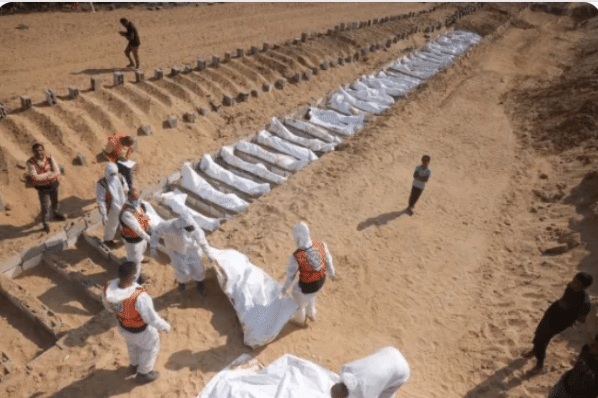
In addition to aerial strikes and aid restrictions, reports confirm ongoing demolition operations and the exchange of deceased individuals under the ceasefire’s body-return arrangement.
On Monday, the bodies of fifteen Palestinians were handed over to Gaza health authorities, bringing the total number of recovered remains since the truce began to more than three hundred.
Medical sources said only a fraction have been identified due to decomposition and limited forensic resources, while many recovered bodies showed signs of torture and severe trauma.
Palestinian officials said all obligations under the ceasefire agreement had been fulfilled, including the release of captives and the return of remains despite “difficult and dangerous field conditions.”
Meanwhile, humanitarian organizations have reopened several key facilities damaged during previous bombardments, including a major hospital in Khan Younis that had been closed for months.
The refurbished center now operates with restored power, sanitation, and medical equipment, and includes a new twenty-bed nutrition stabilization unit for children suffering from critical malnutrition.
Observers note that while these small developments provide hope, the overall humanitarian outlook remains bleak as long as Gaza ceasefire violations persist without accountability or external enforcement.
Civilians throughout the enclave continue to live amid ruins, struggling to rebuild lives under the constant threat of renewed bombardment and the daily reality of limited aid access.
Analysts warn that the continuation of targeted strikes, home demolitions, and aid blockades could completely erode the ceasefire framework, reigniting full-scale hostilities across the region once again.
Diplomatic actors have urged all parties to uphold the truce’s humanitarian provisions, emphasizing that sustainable peace cannot exist while civilian suffering and displacement continue unchecked.
The persistent cycle of retaliation and restriction has created a fragile environment in which neither stability nor recovery can thrive, deepening public despair and political polarization.
Calls are growing for international observers to intervene and guarantee compliance with the ceasefire terms, particularly regarding unrestricted aid delivery and civilian protection within the buffer zones.

Until those guarantees are met, residents of Gaza remain trapped between uncertain calm and recurring violence, living each day under the shadow of fragile promises and unkept commitments.
The escalating Gaza ceasefire violations have become emblematic of a conflict that refuses to fade, underscoring the urgent need for renewed diplomatic engagement and genuine humanitarian accountability.
About The Author