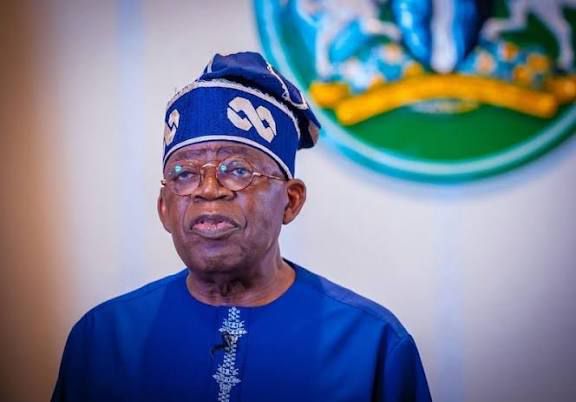
FG targets $5.7bn China investment deal
FG targets $5.7bn China investment deal as part of an intensified push to unlock large-scale foreign direct investment across Nigeria’s power, mining, and industrial manufacturing sectors. The proposed inflow, currently under negotiation, is positioned as a cornerstone of the Federal Government’s strategy to deepen domestic production capacity and accelerate structural economic reforms.
The engagement was disclosed by the Ministry of Finance following a high-level meeting in Abuja between the Minister of Finance and Coordinating Minister of the Economy, Wale Edun, and a delegation from GCL Group. The delegation was reportedly led by Orji Uzor Kalu.
According to the ministry, the investment discussions cover integrated projects spanning energy generation, mineral processing, and large-scale manufacturing facilities aimed at strengthening Nigeria’s industrial base.
Power sector expansion at the centre
A significant portion of the proposed funding is expected to target energy infrastructure, particularly power generation. Nigeria continues to grapple with chronic electricity supply constraints that limit industrial productivity and increase operating costs for manufacturers.
Economic analysts note that any meaningful injection of capital into the power sector could have multiplier effects across mining, agro-processing, and heavy manufacturing. Stable electricity supply remains a prerequisite for sustainable industrial growth.
By aligning energy investments with mineral development and factory construction, the Federal Government appears to be pursuing a vertically integrated industrialisation model.
Mining and local value addition
Nigeria’s mining sector has long been identified as underdeveloped relative to its geological potential. Policymakers have increasingly emphasised domestic processing of minerals rather than exporting raw commodities.
Under the emerging framework in which FG targets $5.7bn China investment deal, part of the funding is expected to support local mineral processing plants. This approach aligns with the administration’s objective of shifting from raw material exports to value-added production.
Experts argue that beneficiation of solid minerals within Nigeria could increase export earnings, create skilled jobs, and reduce vulnerability to global commodity price volatility.
Industrial manufacturing and job creation
Beyond extractives and energy, the proposed investment envelope includes new industrial manufacturing facilities. Officials indicate that the projects could span sectors such as equipment assembly, industrial inputs, and possibly renewable energy component production.
Industrial economists say that factory development under a structured foreign direct investment framework can stimulate backward and forward linkages across supply chains. These linkages may benefit small and medium-sized enterprises involved in logistics, packaging, and component sourcing.
The government has repeatedly emphasised employment generation as a core objective of its economic reform agenda. If fully realised, the $5.7bn proposal could create direct and indirect jobs across multiple states.
Reform backdrop and investor confidence
Officials state that the talks are supported by ongoing macroeconomic reforms under President Bola Ahmed Tinubu. Recent policy adjustments, including exchange rate reforms and fiscal consolidation measures, are intended to improve investor confidence.
Market analysts suggest that clarity in monetary and fiscal coordination has helped reposition Nigeria as a more predictable investment destination. However, they caution that successful deal execution will depend on regulatory transparency, infrastructure readiness, and risk mitigation frameworks.
In positioning the negotiations, the ministry reiterated that FG targets $5.7bn China investment deal within a broader economic restructuring programme aimed at boosting productive capacity rather than consumption-led growth.
Strategic China partnership
China remains one of Nigeria’s largest bilateral trade partners and a significant source of infrastructure financing across Africa. Chinese firms have historically played central roles in railway development, power projects, and industrial parks within Nigeria.
The involvement of GCL Group, a major energy conglomerate, signals potential emphasis on renewable or large-scale generation assets. Although specific project details were not disclosed, energy transition considerations may shape final agreements.
Diplomatic observers note that economic cooperation between Nigeria and China continues to evolve beyond traditional infrastructure lending toward joint venture-style industrial investments.
Risks and execution challenges
Despite optimism, analysts warn that large-scale investment pledges often face execution delays linked to land acquisition, regulatory approvals, and foreign exchange dynamics.
For the initiative in which FG targets $5.7bn China investment deal to translate into tangible outcomes, experts recommend clear timelines, public disclosure of project scope, and transparent procurement processes.

Nigeria’s experience with past mega-deals underscores the importance of implementation discipline. Ensuring local workforce participation and technology transfer provisions may also enhance long-term benefits.
If successfully concluded, the investment package could strengthen Nigeria’s medium-term growth outlook. Expanded power generation would reduce production bottlenecks, while mineral processing and manufacturing facilities could diversify export composition.
Development economists highlight that sustainable growth depends on improving productivity rather than expanding debt-financed consumption. Strategic foreign direct investment in productive sectors aligns with that philosophy.
For now, negotiations remain ongoing. The ministry has not announced a definitive timeline for financial closure or project commencement.
What is clear, however, is that FG targets $5.7bn China investment deal as part of a deliberate pivot toward industrial transformation, energy security, and export competitiveness.
The coming months will determine whether negotiations crystallise into binding agreements capable of reshaping Nigeria’s industrial landscape.