

FG reaches over 34 million Nigerians through humanitarian programs, boosting social protection, poverty reduction, and coordinated multi-stakeholder welfare initiatives nationwide.
The Federal Government of Nigeria has revealed that more than 34 million vulnerable citizens have benefited from its humanitarian programs, part of a broader strategy to alleviate poverty and economic hardship nationwide.
The government aims to increase this figure to 50 million by the end of the year, signaling a determined push toward comprehensive social protection and poverty reduction.
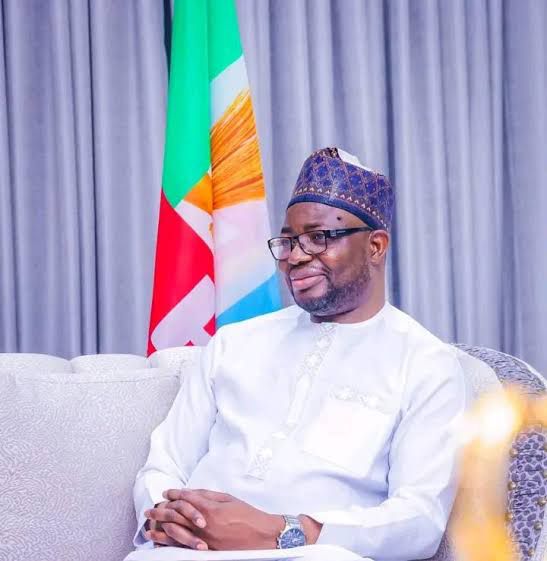
This announcement was made on Thursday by the Minister of Humanitarian Affairs and Poverty Reduction, Dr. Bernard Doro, during the inaugural meeting of the National Council on Humanitarian Affairs and Poverty Reduction in Calabar, Cross River State.
Dr. Doro described the council as a critical platform to strengthen coordination, enhance transparency, and ensure that welfare interventions reach those who need them most.
“The Federal Government has so far provided conditional cash transfers to over 34 million Nigerians and is actively working to extend support to 50 million beneficiaries by year-end,” Dr. Doro stated.
He stressed that these interventions reflect the administration’s commitment to lifting millions of citizens out of poverty through structured, data-driven, and inclusive humanitarian programs.
The National Council on Humanitarian Affairs and Poverty Reduction was established to address fragmented interventions across states and agencies.
According to Dr. Doro, no single government institution or level can tackle Nigeria’s humanitarian challenges alone.
Only a coordinated multi-stakeholder approach can create sustainable impact, improve livelihoods, and restore hope for vulnerable populations.
The theme of this year’s council meeting, “Beyond the National: Strengthening Sub-national and Multi-Stakeholders’ Synergy for a Unified Approach to Humanitarian Response and Poverty Reduction,” underscores the importance of collaboration among federal, state, and non-state actors.
This framework aims to align policies, harmonize efforts, and optimize resources for greater social impact.
Supporting this, the Minister of State for Humanitarian Affairs, Dr. Tanko Sununu, highlighted that changing global and domestic dynamics have reshaped humanitarian response.
“Innovation and collective action are essential in tackling complex poverty and humanitarian challenges,” he said, urging all stakeholders to embrace new technologies, data analytics, and cross-sector partnerships.
During the council’s deliberations, stakeholders submitted 99 memoranda to guide future interventions.
Of these, 37 were approved, 19 merged, 25 withdrawn, and the remainder received no recommendations.
One key approved submission, presented by the Development Research and Projects Centre (dRPC), called for the creation of a national framework to monitor and evaluate humanitarian programs and poverty reduction initiatives across Nigeria.
Dr. Judith-Ann Walker, Executive Director of dRPC, explained that the proposed framework would harmonize performance indicators, ensure consistency across states, and improve monitoring of beneficiary reach, service quality, and program impact.
“At present, humanitarian and poverty reduction interventions vary widely across Nigeria, making effective monitoring a challenge.
“A national framework would standardize objectives and metrics,” she noted.
Social protection and welfare remain key pillars of President Bola Tinubu’s poverty reduction strategy.
Through conditional cash transfers, food support programs, and community-based interventions, the government is working to address systemic poverty while building resilience among vulnerable populations.
These initiatives are particularly vital for groups affected by economic shocks, displacement, or cross-border migration.
Speaking at the event, Deputy Governor of Cross River State, Peter Odey, representing Governor Bassey Otu, commended the Federal Government for hosting the council’s inaugural meeting in Calabar.
He pledged continued support for poverty reduction and humanitarian programs, especially those aimed at border communities and displaced persons affected by cross-border movements from Cameroon.
The council also emphasized the importance of multi-level collaboration, advocating for stronger linkages between federal, state, and local governments, as well as civil society and private sector partners.
Stakeholders noted that coordinated efforts could improve efficiency, transparency, and accountability, ensuring that resources directly benefit intended recipients.
As the government continues to scale up humanitarian programs, the focus remains on sustainability, measurable outcomes, and inclusivity.
By combining cash transfers with monitoring frameworks, strategic partnerships, and community engagement, Nigeria’s poverty reduction initiatives aim not only to provide immediate relief but also to foster long-term socioeconomic development.
With over 34 million Nigerians already benefiting from the program, the Federal Government’s efforts mark a significant milestone in tackling poverty nationwide.
Moving forward, the integration of data-driven solutions, multi-stakeholder collaboration, and standardized monitoring mechanisms promises to enhance the impact of humanitarian programs, improve service delivery, and strengthen social safety nets across the country.
Ireport247news
About The Author


