

More than thirty individuals, including prominent NBA figures, have been arrested in a sweeping FBI gambling investigation targeting NBA illegal gambling arrests tied to insider betting and Mafia-controlled poker operations.
Federal authorities revealed the charges in Brooklyn on Thursday, calling the investigation one of the most expansive integrity probes in modern sports history. The NBA illegal gambling arrests have sent shockwaves through professional basketball, exposing an underground network manipulating games and defrauding fans.
According to prosecutors, the probe uncovered schemes worth tens of millions of dollars involving wire fraud, money laundering, and extortion. FBI Director Kash Patel said the investigation highlights a “culture of deception corroding the integrity of professional sports.”
The FBI gambling investigation began in 2022 after suspicious betting patterns emerged on certain NBA matchups. Investigators traced those wagers back to insiders providing privileged information in violation of both league and federal gambling laws.
Among those arrested are Portland Trail Blazers head coach Chauncey Billups and Miami Heat guard Terry Rozier. Both face federal charges in what officials describe as two interconnected conspiracies spanning several years of illegal gaming activities.
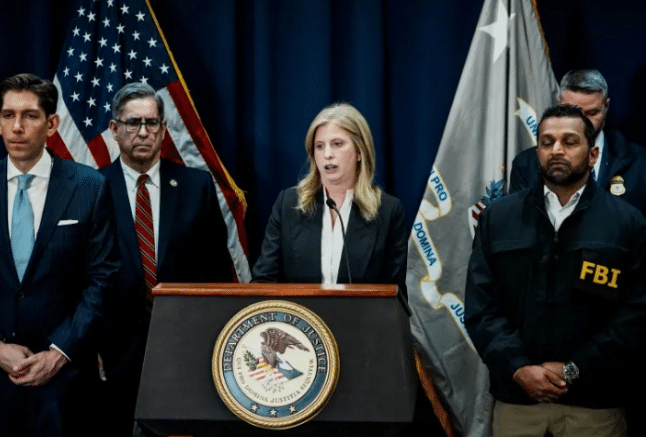
Patel said the first scheme focused on insider betting within the NBA, where players and staff provided confidential game details to accomplices who placed lucrative wagers through intermediaries. These insiders allegedly exploited weaknesses in new online betting systems.
In one example, Terry Rozier’s betting case allegedly involved him tipping associates about his planned early exit from a 2023 game due to a fabricated injury, resulting in $200,000 in fraudulent bets. Prosecutors called it a “calculated manipulation of statistics.”
“This is the insider-trading saga of the NBA,” Patel said, underscoring the magnitude of the NBA illegal gambling arrests and the damage to public trust. He added that multiple state gaming regulators are cooperating in the ongoing FBI gambling investigation.
A separate federal case implicates Chauncey Billups in a poker-rigging conspiracy. According to indictments, Billups and several co-conspirators manipulated private poker tournaments across major U.S. cities, defrauding celebrity participants through high-tech cheating methods.
The Chauncey Billups scandal allegedly relied on altered card shufflers, marked decks, and x-ray tables that gave players working with the Mafia unfair advantages in multi-million-dollar games. The FBI says the scheme operated with support from four major organized crime families.
Those families—Bonanno, Gambino, Lucchese, and Genovese—controlled the underground poker rooms in New York where the rigging occurred. They reportedly took a share of the profits and laundered the proceeds through cryptocurrency exchanges and offshore accounts.
U.S. Attorney Joseph Nocella said that while the investigations were separate, some defendants overlapped. Former Cleveland Cavaliers assistant coach Damon Jones, for instance, was charged in both the Terry Rozier betting case and the Chauncey Billups scandal.
The NBA immediately placed both Billups and Rozier on indefinite leave. “We take these allegations with the utmost seriousness,” the league said in a statement, reaffirming its “commitment to integrity and transparency.”
Rozier’s lawyer, James Trusty, denounced the charges as baseless, saying prosecutors “appear to be relying on unreliable sources rather than verified evidence.” He added that Rozier “was previously cleared by the NBA and faces a politically motivated revival of a closed case.”
The NBA illegal gambling arrests have reignited national debate about the growing relationship between professional sports and the multi-billion-dollar online betting industry. Analysts say the case exposes how deeply gambling culture has penetrated locker rooms and front offices.
“Sports betting regulation is not keeping up with technological sophistication,” said gaming law expert Dr. Lisa Chen. “Players have easy access to data and betting apps, which makes oversight extremely difficult.”
Federal officials share that concern. Patel emphasized that modern gambling operations often mask criminal activities behind legitimate betting platforms, making detection far more challenging than in past decades.
League executives, meanwhile, fear the scandal could damage fan confidence in the fairness of NBA outcomes. Some sponsors have already paused advertising deals pending the conclusion of the FBI gambling investigation, according to sports marketing sources.
NBA Commissioner Adam Silver said in a televised interview that he supports stricter oversight. “We have asked certain partners to limit prop bets on players’ individual performance,” Silver said. “Integrity is everything in this game.”
Silver also urged Congress to strengthen sports betting regulation, noting that the existing patchwork of state laws leaves ample room for exploitation. “This case shows why federal consistency is necessary,” he said.
Legal experts believe the NBA illegal gambling arrests could prompt new legislation targeting insider information abuse across professional sports. Some lawmakers are drafting bills to redefine insider trading to include athletic competitions and betting markets.
Senator Maria Alvarez of California announced plans for hearings next month. “When players or coaches manipulate outcomes, it’s not entertainment—it’s economic crime,” she said, calling the Chauncey Billups scandal a “wake-up call” for the entire industry.
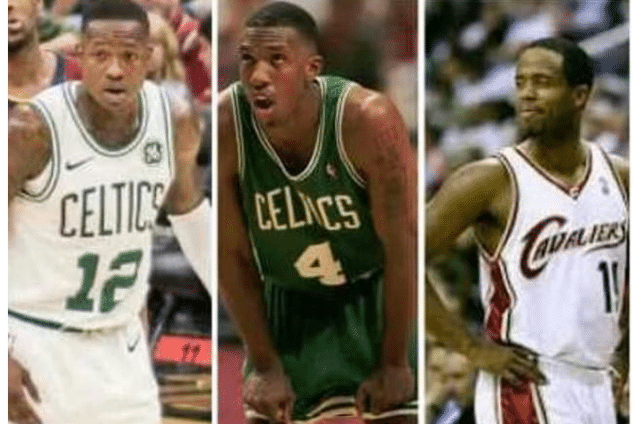
Past scandals echo in the background. Former Toronto Raptors player Jontay Porter was banned for life in 2024 for deliberately altering his performance to profit from bets. That case, prosecutors now say, directly connects to the current indictments.
Porter later pleaded guilty to federal fraud charges, admitting he faked injuries and deliberately missed shots to meet prearranged betting conditions. His associates reportedly shared information with the same gambling syndicates now charged in the FBI gambling investigation.
Another example often cited is the lifetime ban of baseball legend Pete Rose, who bet on games while managing the Cincinnati Reds in 1989. Although different in scale, the moral implications remain similar, experts argue.
Public reaction to the NBA illegal gambling arrests has been fierce. Fans flooded social media with outrage, some demanding permanent bans for any player or coach proven complicit in gambling schemes. “If you cheat the game, you don’t deserve the jersey,” one fan wrote.
Others blame the NBA’s embrace of corporate betting sponsorships. “You can’t promote gambling and then act shocked when gambling scandals explode,” said commentator Colin Harkins on ESPN’s “First Take.”
The National Basketball Players Association (NBPA) issued a statement condemning corruption but urging fairness. “We demand due process for every member,” the union said. “But we equally condemn actions that compromise the integrity of competition.”
The Terry Rozier betting case is expected to proceed quickly in Florida federal court, where Rozier faces charges of wire fraud and conspiracy. He was arrested Wednesday night in Orlando after the Miami Heat’s game against the Magic.
Chauncey Billups, 49, appeared in federal court in Portland the same day, maintaining his innocence. He faces separate charges of fraud and illegal gambling operation. His attorneys say he was unaware of the Mafia’s involvement in the poker events.
If convicted, Billups could face up to 20 years in prison. The FBI says it is continuing to analyze evidence, including encrypted messages and cryptocurrency transactions linking the defendants to Mafia figures in New York.
As the FBI gambling investigation widens, sources say more NBA illegal gambling arrests are possible, including front-office personnel and lower-level staffers. Federal agents have reportedly issued over fifty subpoenas for betting data and bank records.
The Justice Department emphasized that the investigation is far from over. “This case is about accountability at every level—from players to organized crime networks,” Patel said. “We are dismantling an ecosystem of deceit.”
The NBA, meanwhile, faces its toughest test in decades. Analysts predict that the league will overhaul its integrity protocols, expand compliance units, and impose lifetime bans for anyone proven to have participated in gambling-related misconduct.
Sponsors and sportsbooks are also reviewing their partnerships. FanDuel and DraftKings issued statements reaffirming their “zero-tolerance policy” toward insider manipulation, pledging full cooperation with the FBI.
Some observers believe the scandal could ultimately strengthen the league by forcing reform. “Crises like this often lead to cleaner systems,” said analyst Jason Reid. “Transparency is painful but necessary for credibility.”
Still, reputational damage is already apparent. The NBA illegal gambling arrests have dominated headlines for days, overshadowing the season’s opening games and prompting renewed scrutiny of sports culture in the digital age.
Fans, players, and policymakers alike are grappling with one question: how much gambling influence is too much? As Patel warned, “When competition becomes commerce, corruption follows close behind.”
About The Author


