The EU Ukraine loan agreement marks a decisive financial commitment as European leaders approve a $105bn borrowing plan to support Ukraine without tapping frozen Russian state assets.
European Union leaders reached the deal after marathon overnight negotiations, reflecting urgency driven by battlefield pressures and Ukraine’s widening fiscal shortfalls.
The agreement authorises joint EU borrowing on capital markets, with funds earmarked to stabilise Ukraine’s defence spending and essential public services.
EU Council President Antonio Costa confirmed the outcome, saying leaders had translated promises into action after weeks of political wrangling.
“We committed, we delivered,” Costa said, describing the loan as a demonstration of Europe’s collective resolve amid prolonged conflict.
The loan will be interest free, backed by the EU budget, and spread across 2026 and 2027 to give Kyiv financial predictability.
Diplomats said borrowing was chosen over asset seizures to avoid legal uncertainty and financial retaliation risks from Moscow.
Frozen Russian central bank assets have been immobilised across Europe since the invasion but remain legally contentious to appropriate.
Belgium, custodian of most frozen Russian funds, repeatedly warned of lawsuits and counter seizures if the assets were repurposed.

Belgian Prime Minister Bart De Wever later praised the compromise, saying it avoided “chaos and division” within the bloc.
Germany and the Netherlands supported the borrowing model, viewing it as the fastest route to secure immediate funding.
Other states, including Italy and Bulgaria, expressed hesitation, citing concerns over shared debt and domestic political pressure.
Hungary, Slovakia and the Czech Republic secured exemptions, ensuring the deal would not alter their national financial obligations.
Ukrainian President Volodymyr Zelenskyy welcomed the agreement, calling it “significant support” that strengthens Ukraine’s resilience.
“This truly strengthens our defence and economic stability,” Zelenskyy said, stressing the importance of predictable long term backing.
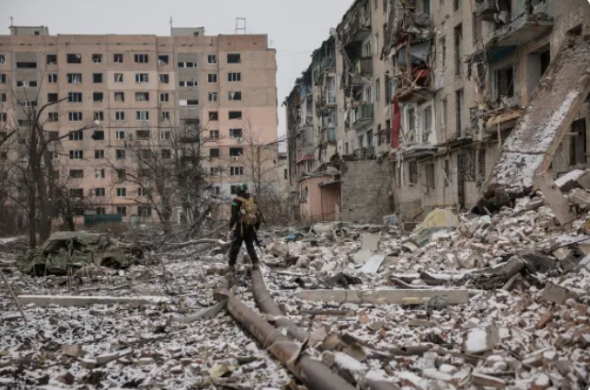
Ukraine faces mounting costs from sustained Russian strikes on infrastructure, energy networks and frontline positions.
Officials say the loan will help cover military procurement, salaries, pensions and urgent reconstruction needs.
One EU diplomat said the agreement provides “breathing space” while longer term funding mechanisms are debated.
The EU Ukraine loan agreement also signals a strategic shift toward treating Ukraine’s survival as a multi year commitment.
Russian officials reacted angrily, framing the decision as a defeat for those pushing to confiscate Moscow’s frozen reserves.
Kirill Dmitriev, a Kremlin envoy, claimed “law and sanity” prevailed after the EU rejected direct use of Russian assets.
Moscow has warned it would pursue legal action and seize Western property in Russia if its funds were appropriated.
Analysts say those threats weighed heavily on capitals already nervous about investor confidence and legal precedent.
Despite the compromise, EU leaders did not fully close the door on future use of Russian assets.
Summit conclusions confirmed discussions would continue on potential mechanisms linked to Russian central bank funds.
Supporters argue Russian reparations should eventually fund Ukraine’s recovery once legal pathways are secured.
Critics counter that delaying the issue shifts the burden onto European taxpayers.
Economists note joint borrowing spreads risk across the bloc but increases long term liabilities for member states.
Public opinion remains broadly supportive of aiding Ukraine, though fatigue is growing in some countries.
The loan reinforces the EU’s emerging role as a geopolitical actor capable of coordinated fiscal action.
It also mirrors pandemic era borrowing, showing willingness to deploy collective debt during existential crises.
European Parliament scrutiny is expected to focus on transparency, oversight and conditionality attached to disbursements.
Officials insist strict monitoring will ensure funds are used for agreed defence and budgetary priorities.
Ukraine’s finance ministry said stable funding improves planning and reduces reliance on emergency stopgap measures.
Military analysts argue predictable financing strengthens morale and operational continuity on the front lines.
The deal comes as peace initiatives remain stalled and fighting continues across eastern and southern Ukraine.
EU leaders privately acknowledge the conflict may extend well beyond current political cycles.
For Kyiv, the loan represents not just money but reassurance of sustained European backing.
For Europe, it reflects balancing solidarity with legal caution in unprecedented circumstances.
As one diplomat put it, “This is about keeping Ukraine standing while keeping Europe united.”
The agreement now moves toward implementation, with borrowing expected to begin in early 2026.
Markets will closely watch issuance details, testing confidence in the EU’s collective credit strength.
Ultimately, the decision underscores Europe’s determination to support Ukraine without crossing uncertain legal red lines.
Read also:Russia threatens legal retaliation as EU considers using frozen assets for Ukraine
About The Author