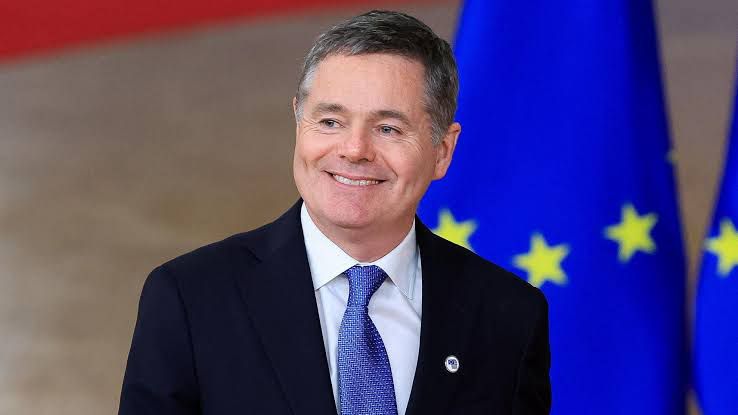
European diplomats voiced a unified EU peace plan stance as speculation intensified around a proposed settlement widely viewed as tilting towards Russian preferences and undermining Ukrainian legitimacy.
European leaders’ concerns have grown steadily as reports indicate Washington’s interest in pushing a framework shaped by Moscow’s priorities, raising new questions about alliances and Europe’s influence over wartime diplomacy.
Officials arriving for meetings in Brussels insisted no external power can dictate conditions to Kyiv, arguing genuine peace emerges only through consensus, respect and fairness among all directly affected nations.
Foreign policy chief Kaja Kallas reiterated that Europe welcomes initiatives promoting stability but emphasised long-term security cannot be achieved if Ukraine is coerced into accepting deals weakening its sovereign agency.
Her remarks reflected a broader Ukraine sovereignty debate spreading across European capitals, where policymakers worry premature concessions risk strengthening Russian ambitions while diminishing international norms governing territorial integrity.
Germany, Spain and Poland echoed similar sentiments, stressing Ukraine must remain central in all discussions because excluding Kyiv would reward aggression and erode trust in collaborative European security frameworks.
Polish Foreign Minister Radoslaw Sikorski argued Europe has moral and strategic obligations to challenge arrangements that restrict a victim’s right to defend itself while allowing the aggressor to dictate terms.
Russian negotiation strategy continues to cast a shadow over diplomatic conversations, with the Kremlin insisting any agreement must address its interpretation of conflict origins rather than Ukraine’s lived realities and humanitarian suffering.
Spokesman Dmitry Peskov declined to comment on whether President Vladimir Putin evaluated the alleged plan, continuing Moscow’s pattern of strategic ambiguity designed to complicate Western diplomatic calculations.
European governments fear the conflict’s destabilising effects could spill across borders, especially after repeated accusations of Russian cyberattacks, drone incursions and other activities testing Europe’s political and technological resilience.
Tensions escalated further when the United Kingdom signalled readiness to take military action after a Russian vessel reportedly targeted British pilots with lasers near national territorial waters.
These incidents increase European leaders’ concerns and feed anxieties about wider escalation, strengthening arguments that any international settlement must prioritise deterrence, accountability and lasting security structures.
Meanwhile, the humanitarian situation worsened dramatically following Russian air strikes on Ternopil, killing at least twenty-six civilians and leaving dozens missing beneath collapsed residential buildings and shattered community infrastructure.
President Volodymyr Zelenskyy condemned the attack as another example of Russia’s disregard for human life, stressing Ukrainians were sleeping peacefully when missiles tore through their homes without warning.

Rescue teams worked relentlessly, deploying hundreds of personnel to locate survivors, offer medical assistance and stabilise structures damaged beyond recognition, underscoring the devastating civilian cost of sustained bombardment.
Prime Minister Yulia Svyrydenko welcomed the US Army secretary to Kyiv, describing the visit as an important opportunity to evaluate frontline conditions and the destructive consequences inflicted by Russian forces.
Reports later indicated the proposed US-brokered proposal was drafted after consultations with Russian officials, raising suspicions the plan represents an attempt to pressure Ukraine into territorial concessions.
Sources cited by international media claim the framework instructs Kyiv to surrender remaining areas of the Donbas region, including zones still under Ukrainian control amid ongoing intense fighting.
Additionally, the document allegedly demands limits on Ukraine’s military structure, which critics argue would leave the country increasingly vulnerable to future aggression and undermine postwar reconstruction capacities.
Such terms contradict Zelenskyy’s repeated insistence that Ukraine cannot accept agreements violating constitutional prohibitions against ceding territory, especially after years of sacrifice resisting territorial fragmentation.
The Ukrainian president previously clashed with Donald Trump and JD Vance during a tense meeting, accusing them of underestimating the consequences of pressuring Ukraine into an imposed settlement.
Zelenskyy maintains negotiations must include Kyiv’s participation at every stage, asserting no country can be forced to sign accords that fail to reflect its national interests and rights.
Despite this stance, divisions emerge within Europe. Hungary’s Foreign Minister Peter Szijjarto questioned continued EU financial support to Kyiv, citing corruption allegations involving senior Ukrainian officials.
His remarks follow high-profile resignations within Ukraine’s energy and justice sectors, where investigations revealed suspected multimillion-dollar procurement schemes tied to the state nuclear agency Energoatom.
Szijjarto claimed Europe should reassess aid commitments, arguing unchecked financial flows risk sustaining entrenched networks of mismanagement rather than protecting democratic resilience during wartime turmoil.
Hungarian Prime Minister Viktor Orban, known for friendly ties with Moscow, has intensified criticism of European policy while blocking Ukraine’s EU accession efforts and embracing strategic privileges secured through Washington.
He recently obtained exemptions from Russian energy sanctions and negotiated financial arrangements he described as essential to shielding Hungary’s economy from regional disruptions caused by the prolonged conflict.
Szijjarto added that Ukraine faces diminishing time advantages on the battlefield, arguing reality should influence diplomatic calculations and encouraging leaders to consider US-brokered proposal initiatives more seriously.
His stance sharply contrasts with the dominant EU peace plan stance shaping broader European responses, where most officials argue concessions born of pressure cannot guarantee sustainable or just outcomes.
Critics warn accepting unbalanced terms risks normalising aggressive territorial reconfiguration, weakening global deterrence and undermining decades of efforts to uphold international legal protections for sovereign states.
Analysts highlight that geopolitical tensions surrounding the Ukraine sovereignty debate may influence future European defence planning, prompting reassessment of collective capabilities, strategic cooperation and cross-border security initiatives.
European capitals continue urging Washington to consult allies before advancing any agreement, emphasising shared responsibility in shaping responses that affect regional stability for decades.
Observers argue failure to incorporate European perspectives into proposed settlements may strain transatlantic relationships and deepen strategic uncertainty as Russia exploits diplomatic inconsistencies among Western partners.
Some policymakers fear the Russian negotiation strategy deliberately encourages fractures within Europe, amplifying disagreements to reduce Western unity and improve Moscow’s bargaining position in future talks.
Nonetheless, many leaders remain steadfast, asserting credible peace requires justice, accountability and recognition of Ukraine’s right to fight for its territorial future without international coercion.
Diplomatic advisers say establishing a peace architecture that satisfies Ukraine, Europe and wider global stakeholders demands transparency, broad consultation and principles aligned with the preservation of sovereign independence.
Public sentiment across Europe generally supports Ukraine’s defence, though fatigue is visible as communities grapple with economic pressures, energy concerns and constant exposure to conflict-driven instability.
Yet the resilience displayed by Ukrainians continues inspiring international sympathy, strengthening arguments that any negotiated settlement must safeguard their security rather than impose externally motivated compromises.
European policymakers therefore continue shaping strategies grounded in cooperation, shared responsibility and realistic assessment of geopolitical risks, believing aligned purpose remains essential to restraining Russian ambitions.
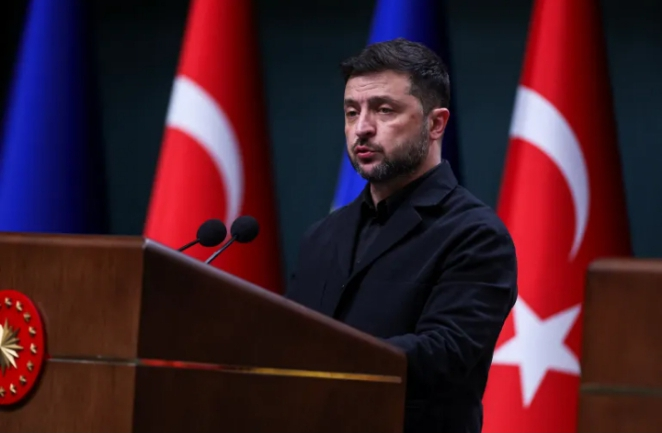
The future of negotiations remains uncertain, but European leaders insist unity must guide the process, concluding no peace agreement can succeed without fairness, legitimacy and unwavering respect for Ukraine.