Manchester City manager Pep Guardiola has described Enzo Maresca as an outstanding coach and person, insisting Chelsea have lost a valuable manager after his exit.
Guardiola spoke with clear admiration while addressing reporters ahead of Manchester City’s Premier League meeting with Chelsea at the Etihad Stadium this weekend.
The City boss stressed that Maresca’s departure surprised many within English football, given the Italian’s growing reputation and influence across the league.
According to Guardiola, Maresca combines tactical intelligence with strong human qualities, attributes he believes are essential for success at elite football levels.
Guardiola explained that managerial decisions ultimately belong to club hierarchies, even when respected coaches are involved and results remain under scrutiny.
Maresca officially left Chelsea on New Year’s Day, bringing an abrupt end to a tenure that had promised stability and progressive football development.
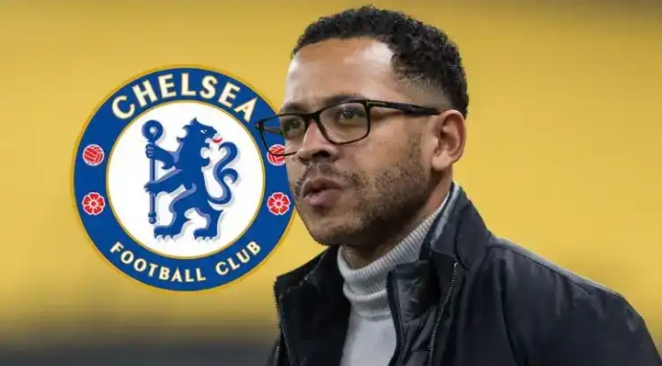
Chelsea’s board quickly appointed Under-21 head coach Calum McFarlane as interim manager ahead of the daunting trip to face Manchester City.
The timing of the change has raised questions, particularly with Chelsea entering a demanding phase of the Premier League schedule.
Guardiola acknowledged the difficulty of such transitions, noting that sudden changes often place players under pressure to adapt quickly.
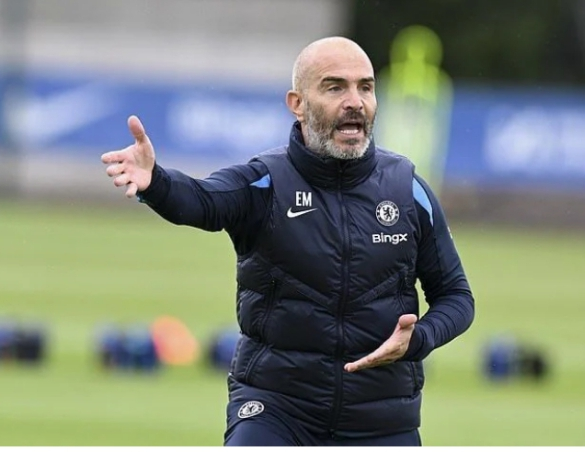
Maresca’s reputation has steadily grown since his work in youth development and senior roles, earning admiration from peers across Europe.
His tactical approach, rooted in positional play and intelligent ball circulation, mirrors philosophies admired by top managers including Guardiola himself.
At Chelsea, Maresca was tasked with guiding a young, evolving squad while navigating intense expectations from supporters and ownership.
Although results fluctuated, many observers believed the team was gradually responding to his ideas and long-term vision.
Guardiola’s comments suggest that patience might have allowed Maresca’s project to mature, producing consistency over time.
However, Chelsea’s recent history reflects a club often willing to make swift managerial changes in pursuit of immediate success.
This environment can challenge even the most experienced coaches, particularly those implementing structured, developmental systems.
Maresca’s exit again highlights the broader debate surrounding stability versus short-term performance within modern elite football.
Guardiola has frequently advocated for trust in coaches, arguing that continuity often yields sustainable success.
At Manchester City, Guardiola himself benefited from long-term backing, enabling him to embed a clear identity and winning culture.
Chelsea’s contrasting approach has delivered mixed outcomes, with frequent changes disrupting continuity and squad development.
Calum McFarlane now faces a steep learning curve, stepping into interim leadership against one of Europe’s strongest sides.
The Etihad Stadium presents a difficult setting for any manager, particularly one assuming temporary responsibility under intense scrutiny.
Guardiola refrained from underestimating Chelsea, stressing that players often respond strongly during periods of uncertainty.
He noted that footballers sometimes find renewed motivation when circumstances change, making such matches unpredictable.
Chelsea’s squad contains significant talent, capable of competing when organization and confidence align effectively.
Nevertheless, preparation time for McFarlane has been limited, increasing the tactical challenge against City’s well-drilled system.
Guardiola emphasized respect for opponents regardless of circumstances, maintaining focus on his team’s own performance standards.
From City’s perspective, the fixture represents another opportunity to reinforce title ambitions and maintain momentum.
For Chelsea, the match serves as an immediate test of resilience following Maresca’s departure.
The players must quickly adjust to new instructions while managing external noise surrounding the managerial situation.
Supporters remain divided, with some expressing disappointment at Maresca’s exit and others demanding improved results.
Guardiola’s public praise may intensify discussion among fans questioning whether Chelsea acted prematurely.
Across the Premier League, fellow managers often recognize the difficulty of building projects under relentless pressure.
Maresca’s next destination remains uncertain, though his reputation suggests opportunities will emerge quickly.
Guardiola’s endorsement could further enhance Maresca’s standing among clubs seeking progressive coaching profiles.
The Italian coach is widely regarded as meticulous, disciplined, and committed to player development.
Such qualities align with the modern game’s increasing emphasis on tactical clarity and structured team play.
Chelsea’s decision now shifts focus toward identifying a long-term replacement capable of delivering sustained success.
The board faces the challenge of balancing ambition with patience in an increasingly competitive league environment.
Meanwhile, McFarlane’s interim role offers a chance to demonstrate leadership and adaptability at the highest level.
Young coaches often benefit from such opportunities, though expectations remain unforgiving at clubs like Chelsea.
Guardiola concluded his remarks by reiterating respect for Maresca, regardless of Chelsea’s internal decisions.
He maintained that football remains a results-driven industry, where difficult choices are often unavoidable.
Yet his words carried a clear message about the value of trust, time, and belief in coaching philosophy.
Read also: Aston Villa vs Nottingham Forest: Ola Aina returns from injury for Premier League clash
As the Premier League season continues, Chelsea’s decision will be judged by performances and long-term direction.
For now, attention turns to the Etihad, where uncertainty meets stability in a compelling league encounter.