

Nigeria’s long-debated Electoral Act Amendment is edging closer to becoming law, following renewed legislative action at the National Assembly.
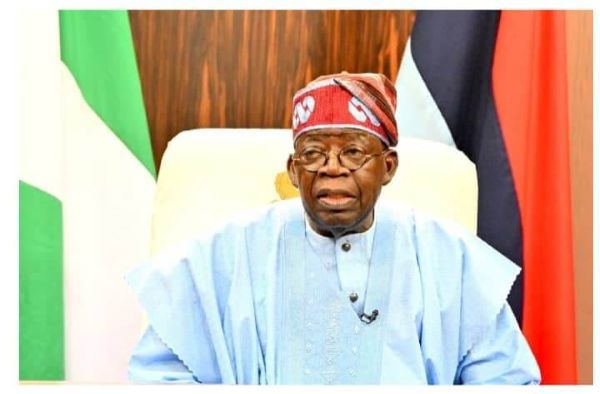
Senate President Godswill Akpabio has expressed optimism that President Bola Ahmed Tinubu could append his signature to the bill before the end of February, provided lawmakers conclude reconciliation efforts on schedule.
The development came during an emergency plenary session convened to address unresolved differences between the Senate’s version of the amendment and that earlier passed by the House of Representatives.
At the session, senators agreed to establish a 12-member conference committee to harmonise both drafts and produce a unified document for presidential assent.
Akpabio, who presided over the proceedings, described the assignment as urgent and nationally significant.
He told committee members that their responsibility goes beyond routine legislative duty, as the Electoral Act Amendment carries implications for the credibility of Nigeria’s future elections.
He encouraged swift deliberations, expressing confidence that if the process is concluded within days or a week, the President would be in a position to sign the bill into law this month.
The Senate President explained that the expanded committee membership was decided after consultations with Senate leadership.
The goal, he said, was to ensure smooth collaboration with the House of Representatives and avoid unnecessary delays.
According to him, coordination between both chambers is essential to delivering comprehensive election reforms that meet public expectations.
The renewed urgency follows widespread debate over certain provisions in the bill, particularly those concerning electronic transmission of election results.
Last week, controversy erupted when the Senate rejected a proposal that sought to mandate real-time electronic transmission under Clause 60(3).
Instead, lawmakers initially retained language from the 2022 Act that grants the Independent National Electoral Commission (INEC) discretion to determine how results are transmitted.
That decision triggered criticism from opposition parties, civic organisations, and election observers who argued that removing explicit real-time requirements could weaken transparency.
Some political stakeholders staged demonstrations at the National Assembly complex, insisting that technological safeguards are necessary to protect the integrity of the electoral process.
Responding to the backlash, the Senate revisited the issue during Tuesday’s plenary. In a notable shift, lawmakers approved the use of electronic transmission for election results.
However, the revised provision does not specifically include the phrase “real-time.” Supporters of the adjustment argue that it preserves technological innovation while allowing operational flexibility for INEC, especially in regions facing infrastructure limitations.
To address concerns about connectivity challenges, the Senate also clarified that in areas where internet service is unavailable or unreliable, Form EC8A will remain the primary instrument for result collation.
This measure, lawmakers say, ensures continuity and prevents disruptions in rural or underserved communities.
Observers believe the compromise reflects an attempt by the National Assembly to balance technological advancement with practical realities.
Nigeria’s diverse terrain and uneven digital infrastructure have long posed logistical difficulties for nationwide electronic systems.
By retaining fallback procedures, lawmakers appear to be aiming for a hybrid framework that accommodates both digital and manual processes.
The broader context of the Electoral Act Amendment includes other technical adjustments intended to strengthen Nigeria’s democratic system.
Although electronic transmission has dominated public discourse, legislators maintain that the bill also addresses administrative clarity, procedural timelines, and institutional responsibilities.
Proponents argue that these refinements will enhance efficiency and reduce ambiguities that previously generated legal disputes.
Political analysts say the speed with which the harmonisation committee works will determine whether the February timeline is realistic.
Once both chambers reconcile their versions, the final document must be formally adopted before transmission to the President.
If signed into law, the amendment would represent one of the most consequential election reforms undertaken since the 2022 revision.
For President Tinubu, assent to the Electoral Act Amendment would signal executive backing for updated electoral guidelines ahead of future polls.
It would also demonstrate alignment between the executive and legislative arms on governance priorities.
However, public scrutiny is expected to remain high, particularly regarding how INEC interprets and implements the electronic transmission provisions.
Stakeholders across party lines have emphasised the importance of restoring confidence in Nigeria’s voting system. Recent elections have underscored both progress and persistent challenges in election management.
As a result, citizens and advocacy groups are closely watching developments at the National Assembly, viewing the amendment as a test of lawmakers’ commitment to transparency and accountability.
With harmonisation talks set to begin immediately, attention now shifts to how quickly consensus can be reached.
Should the committee conclude its assignment within the projected timeframe, Nigeria may witness the formal enactment of the revised electoral framework before the month ends.
The coming days will therefore be critical in determining whether the legislative process delivers a strengthened legal foundation for future elections.
For many Nigerians, the final shape of the Electoral Act Amendment will not only define procedural rules but also shape public trust in the country’s democratic institutions.
About The Author


