The El Niño climate crisis is raising fears of accelerated global warming, worsening droughts, wildfires and a sharp increase in atmospheric carbon dioxide, as scientists warn that the current climate pattern could intensify already dangerous conditions across the planet.
The current El Niño is expected to peak between now and January, but its most serious effects may emerge several months later. Scientists are particularly concerned that hotter conditions and prolonged drought could weaken tropical ecosystems, reducing their ability to absorb carbon dioxide and further accelerating climate change.
The scale of the emerging threat has raised comparisons with historical climate disasters. According to Burgess, the last El Niño of comparable magnitude occurred in the 1870s, when it contributed to a devastating famine that killed approximately 50 million people.
Although the current situation is unfolding in a vastly different global environment, scientists fear that the combination of rising temperatures, vulnerable food systems, drought and declining ecosystem resilience could produce severe consequences for millions of people.
The warming associated with El Niño is also expected to intensify existing climate pressures, including extreme heat, water shortages, agricultural disruption and wildfires, making preparations increasingly urgent for governments and communities.
El Niño threatens to accelerate atmospheric CO2 levels
One of the major concerns surrounding the developing climate pattern is its potential effect on the amount of carbon dioxide accumulating in the atmosphere.
The UK Met Office has predicted a significant increase in atmospheric CO2 over the coming months, partly because tropical ecosystems are expected to become less productive under drought conditions.
Normally, tropical forests absorb substantial amounts of carbon dioxide through vegetation growth. However, when temperatures rise and rainfall becomes insufficient, trees and other plants may grow less vigorously, reducing the amount of carbon they remove from the atmosphere.
This weakening of the natural carbon absorption process could leave more greenhouse gases in the atmosphere, compounding the warming already caused by human activities.
Richard Betts, head of climate impacts research at the Met Office Hadley Centre, warned that the anticipated increase would significantly exceed recent annual growth.
“This will amplify the buildup of CO2 in the atmosphere driven by fossil fuel burning,” Betts said.
He added that the increase in atmospheric carbon dioxide between this year and next was expected to reach approximately 3.5 parts per million.
According to Betts, that would represent an increase around a third faster than recent years and nearly twice as fast as the level consistent with a pathway limiting global warming to 1.5C.
The projected rise highlights the growing interaction between natural climate variability and human-driven emissions, with drought conditions potentially making it more difficult for ecosystems to counter the effects of fossil fuel consumption.
Tropical forests face drought and wildfire threats
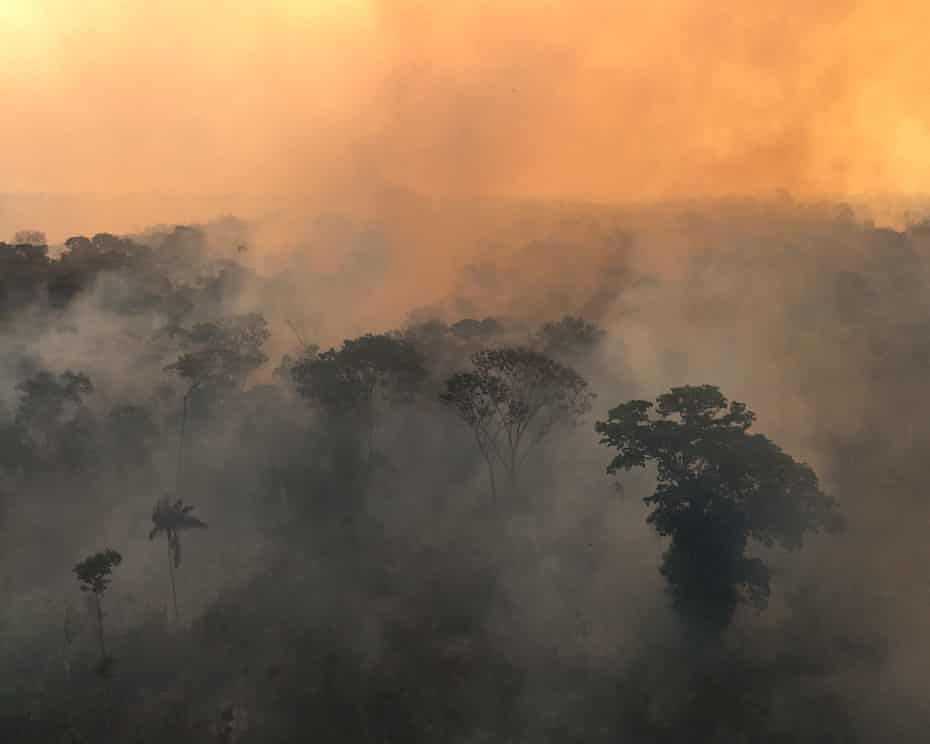
The consequences of the developing El Niño are already being reflected in vulnerable tropical ecosystems, where dry conditions increase the likelihood of fires and damage vegetation.
Indonesia and the Amazon rainforest are among the regions facing heightened concerns as drought and rising temperatures threaten forest environments.
The combination of reduced rainfall, hotter conditions and accumulated vegetation dryness can create favourable conditions for wildfires, which release stored carbon into the atmosphere and destroy ecosystems that would otherwise absorb greenhouse gases.
Forest fires also produce smoke pollution that can affect communities far beyond the immediate areas where the flames occur.
The resulting damage can create a dangerous feedback cycle in which drought weakens forests, fires release additional carbon, and rising atmospheric greenhouse gases contribute to further warming.
The El Niño climate crisis therefore extends beyond temporary changes in rainfall or temperature, with the potential to undermine some of the natural systems that help regulate the Earth’s climate.
Scientists are particularly concerned about the resilience of tropical forests because their ability to recover from repeated droughts and fires may become increasingly compromised as global temperatures continue rising.
Global heating is intensifying extreme weather
The latest warnings come against the backdrop of an increasingly severe climate crisis, with heatwaves, floods, droughts and wildfires affecting communities across different parts of the world.
The Paris Agreement, signed by nearly 200 countries in 2015, established a commitment to pursue efforts to limit global temperature increases to 1.5C and keep warming well below 2C above preindustrial levels.
However, the failure of the recent Cop31 climate talks in Antalya, Turkey, has renewed concerns about the ability of governments to deliver sufficiently ambitious measures to slow global heating.
UN secretary general António Guterres has warned of accelerating global warming, while scientists and climate experts continue to highlight the growing consequences of rising temperatures.
Extreme heat is increasingly becoming a major public health threat, with large numbers of people exposed to dangerous temperatures during prolonged heatwaves.
This year’s record summer temperatures reportedly killed more than 50,000 people in European Union countries and approximately 5,000 people in the UK.
The figures illustrate how rising temperatures are increasingly affecting human health, particularly in areas where buildings, transportation systems and public services are poorly equipped to withstand prolonged extreme heat.
Infrastructure is struggling to cope with rising temperatures
Climate experts warn that the effects of global heating are exposing weaknesses in infrastructure designed for significantly cooler conditions.
Burgess said societies were facing a growing challenge because essential infrastructure was already struggling to cope with the climate experienced today.
She pointed to problems affecting roads, railway lines, schools and hospitals during the summer’s extreme heat, warning that the situation could become worse as temperatures continue rising.
“Our infrastructure is maladapted for our current climate. We’re already struggling and we saw that this summer – the roads were melting, the train lines were buckling, the schools were closed, the hospitals were completely overwhelmed, and we will only see more of that. There’s a lot more heat coming down the pipeline,” she said.
The warning suggests that governments must urgently reconsider how infrastructure is designed, maintained and protected against increasingly extreme weather conditions.
Road surfaces can deteriorate under intense heat, railway tracks may become vulnerable to deformation, while schools and hospitals without adequate cooling systems can become dangerous environments during heatwaves.
The pressure on public services could also increase as heat-related illnesses become more common, placing additional demands on healthcare systems already struggling with capacity.
Drought could threaten food and water supplies
Beyond the immediate effects of extreme temperatures, scientists are concerned about the consequences of drought for agricultural production, drinking water availability and livelihoods.
Richard Betts warned that droughts in regions such as the Amazon could have severe consequences, particularly when they trigger forest fires and widespread environmental damage.
“The immediate impacts of droughts in places like the Amazon can be severe, leading to forest fires with severe human health impacts through smoke pollution, and also damaging the ecosystems,” he said.
He also warned that the effects could extend beyond environmental destruction, potentially affecting food production and water supplies.
Drought can reduce crop yields, weaken agricultural productivity and place additional pressure on communities that depend on rainfall for farming and access to freshwater.
When extreme weather disrupts agricultural production across multiple regions, the consequences can extend into food prices, availability and the livelihoods of vulnerable populations.
The threat is particularly serious in countries where farming depends heavily on seasonal rainfall and where households have limited resources to cope with prolonged dry conditions.
Climate action remains critical as warming accelerates
Scientists say the emerging risks reinforce the need for governments to prepare for the consequences of climate change while urgently reducing greenhouse gas emissions.
Adaptation measures, including stronger infrastructure, improved water management, heat protection and better emergency preparedness, are increasingly necessary as extreme weather becomes more frequent and intense.
However, adaptation alone cannot prevent the continued escalation of global temperatures if emissions remain high.
Read also: US proposes new tariffs on 14 trading partners, including China, Japan and the EU
Betts warned that the rapid rise in atmospheric carbon dioxide should serve as a reminder of the long-term consequences of continued fossil fuel use.
“In the longer term, the rapid CO2 rise is a reminder that we’re on track for ever more severe impacts of climate change until we stop putting carbon dioxide and other greenhouse gases in the atmosphere,” he said.
The developing El Niño may intensify the pressures already facing ecosystems, infrastructure and communities, but scientists stress that the long-term severity of climate change will depend heavily on the amount of greenhouse gases humanity continues to release.
The coming months could therefore provide another stark indication of how natural climate patterns interact with human-driven global warming, increasing the urgency of preparations and emissions reductions.
About The Author