


The Ebola outbreak in DRC health authorities are battling has killed at least 65 people in eastern Democratic Republic of the Congo, according to reporting by The Guardian, raising fears of a wider regional health emergency as officials investigate whether a new strain of the deadly virus is circulating.
Health officials confirmed that 246 suspected cases of Ebola have so far been recorded in Ituri province, a region bordering Uganda and South Sudan where cross-border movement and mining activities complicate efforts to contain infectious diseases.
The outbreak has triggered urgent meetings involving the Africa Centres for Disease Control and Prevention, the World Health Organization and regional governments amid concerns the virus could spread rapidly across neighbouring countries.
Ebola Outbreak DRC Sparks Regional Health Concerns
African health authorities warned that the outbreak poses a serious threat because of the constant movement of people through mining towns and border communities in eastern Congo.
Laboratory testing conducted by the DRC’s national research laboratory detected Ebola virus samples in 13 out of 20 cases examined so far.
Officials said early testing suggests the current outbreak could involve a different strain of the virus from the Zaire strain that has historically caused outbreaks in Congo.
Vaccines are currently available for the Zaire strain of Ebola, making confirmation of a different variant a major concern for regional health officials.
“Africa CDC stands in solidarity with the government and people of the Democratic Republic of the Congo as they respond to this outbreak,” said Africa CDC director general Dr Jean Kaseya.
“Given the high population movement between affected areas and neighbouring countries, rapid regional coordination is essential,” he added.
Ituri Province Emerges as Centre of Outbreak
Most confirmed and suspected infections linked to the Ebola outbreak DRC crisis have been reported in Mongwalu and Rwampara health zones in Ituri province.
Suspected cases have also emerged in nearby Bunia, increasing fears that the outbreak could spread into larger urban centres if not quickly contained.
Health officials warned that eastern Congo’s geography and population movement patterns make disease surveillance particularly difficult.
The region has long struggled with conflict, weak healthcare infrastructure and population displacement, all of which complicate emergency medical responses.
Experts Warn of Conditions Fueling Ebola Spread
Global health experts said several environmental and social conditions continue to fuel recurring Ebola outbreaks in the Democratic Republic of the Congo.
“The Democratic Republic of the Congo often sees fatalities from Ebola,” said Dr Michael Head, senior research fellow in global health at the University of Southampton.
“There is likely a perfect storm of factors that cause these regular outbreaks,” Head said.
“Close human contact with animal reservoirs, most likely bats but possibly also primates, is one factor. Other concerns include the movement of people between rural and urban environments, the tropical climate, and the high rainforest coverage,” he added.
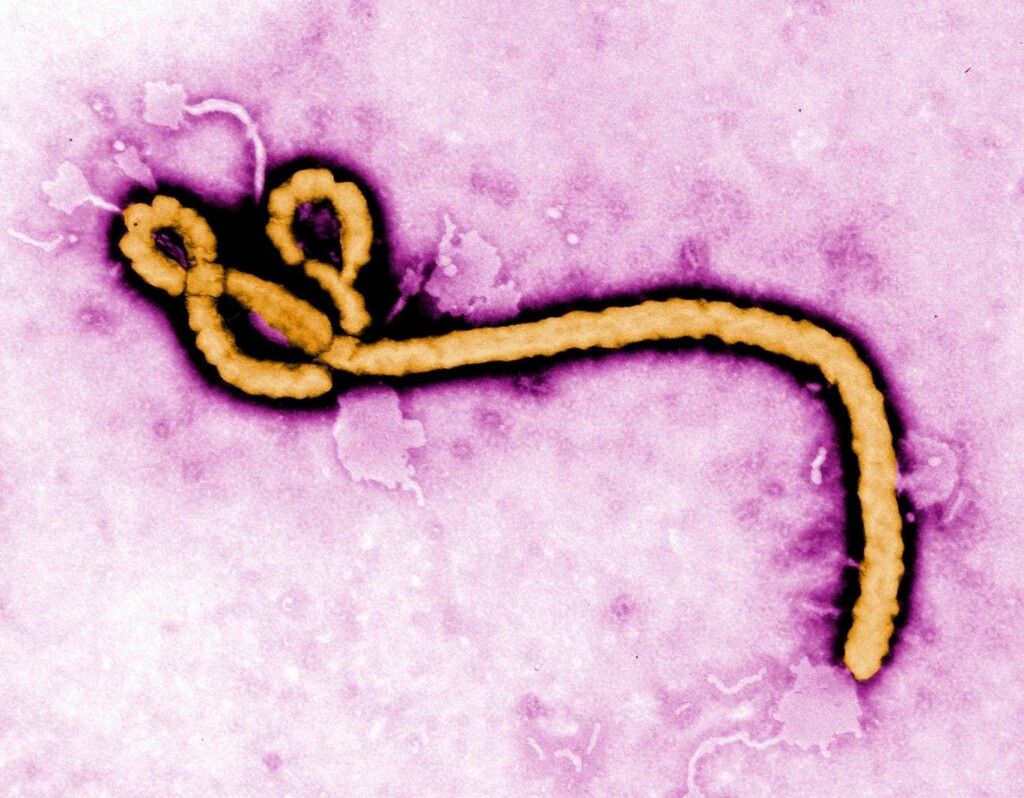
Ebola spreads through direct contact with infected bodily fluids, including blood and vomit, and can also spread during funeral preparations involving infected bodies. Depending on the strain, Ebola can have a fatality rate of up to 90%.
Congo’s Long History With Ebola
The Democratic Republic of the Congo has experienced 16 Ebola outbreaks since the virus was first identified there in 1976.
One of the deadliest Ebola epidemics in history struck West Africa between 2014 and 2016, resulting in an estimated 28,000 infections and more than 11,000 deaths.
Health authorities fear delays in containment or confirmation of a new Ebola strain could increase the risk of another large-scale regional outbreak.
Read also: Israeli nationalists chant ‘death to Arabs’ in Jerusalem Day March
The Ebola outbreak DRC authorities are confronting has once again exposed the vulnerability of central Africa’s health systems to fast-moving infectious diseases.
As scientists race to determine whether a new Ebola strain is responsible for the outbreak, regional governments and international health agencies are under growing pressure to contain the virus before it spreads beyond eastern Congo.
About The Author
