As Nigerians enter the final month of 2025, foreign exchange pressures are resurfacing, with the value of the naira once again coming under strain across informal exchange channels.
On Monday, December 1, 2025, the dollar to naira exchange rate reflected renewed volatility driven largely by holiday-season demand, limited official FX liquidity, and persistent reliance on the parallel market for dollar access.
Market intelligence gathered from Lagos, Abuja and Port Harcourt indicates that intensified demand from importers, business travelers and Nigerians preparing for Christmas and New Year festivities has contributed to a slight uptick in black-market quotations.
Meanwhile, the official Nigerian Foreign Exchange Market (NFEM) rate managed to maintain a relatively stable band, underscoring the Central Bank of Nigeria’s (CBN) cautious and deliberate approach to exchange-rate management.
Dollar to Naira Exchange Rate: Parallel Market Strengthens Despite Stable NFEM Benchmark
The dollar to naira exchange rate opened the week with a noticeable gap between the official and parallel markets, a trend analysts say may persist throughout December without significant improvements in official FX supply.
According to data from market trackers and the CBN’s NFEM table, the naira traded between ₦1,440 and ₦1,446 per dollar at the official window on Monday.
This relatively stable movement followed the CBN’s recent monetary policy decisions aimed at moderating inflation and signalling confidence to investors.
However, on the streets—where a significant volume of retail FX transactions still occurs—the narrative was different.
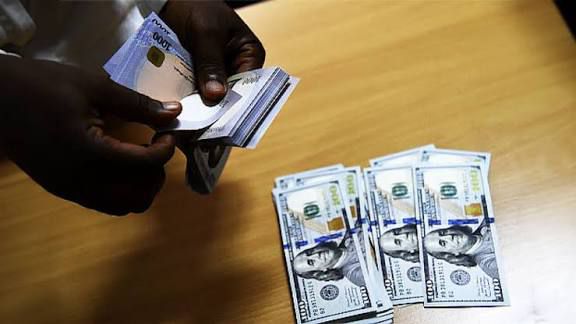
Bureaux-de-change operators quoted the dollar at ₦1,455 for buying and ₦1,465 for selling, marking a subtle but notable rise from the previous week’s levels.
The increase was attributed primarily to year-end FX demand, which traditionally spikes as businesses restock inventories, families prepare for festive travel, and importers accelerate final-quarter payments.
Currency dealers in Lagos reported heightened customer traffic, particularly from small importers and business owners unable to secure dollars at the official window.
In Abuja, FX traders cited a “seasonal scramble” for foreign currency, a pattern that typically plays out during the December period.
Why the Dollar to Naira Exchange Rate Shifted This Week
Analysts monitoring Nigeria’s FX landscape noted that the wide-ranging forces shaping the dollar to naira exchange rate remain complex and interconnected.
Three major factors stood out on Monday:
Limited Official FX Liquidity
Despite reforms aimed at improving transparency and market efficiency, FX availability at the NFEM remains constrained.
This limitation continues to push individuals and businesses toward the parallel market, increasing demand and causing seasonal spikes in rates.
Stable Monetary Policy Signals
The CBN has taken deliberate steps to stabilise the NFEM by maintaining a narrower official trading band.
Market watchers say the Bank’s cautious approach—particularly its decision to delay interest-rate cuts—helps shield the naira from deeper depreciation at the official window.
However, the effects of these policies are less visible in the parallel market.
Seasonal Year-End Demand
The December surge in FX demand is a predictable yet significant driver of exchange-rate pressure.
From school fees to holiday travel to year-end business settlements, demand for the dollar accelerates rapidly during this period, creating ripple effects across all tiers of the FX market.
Implications for Consumers, Businesses and the Broader Economy
Economic analysts say Monday’s movement in the dollar to naira exchange rate carries meaningful implications for different segments of the Nigerian economy.
Higher Costs for Importers
Businesses that rely on imported goods or raw materials face increased sourcing costs, especially if they obtain dollars from the parallel market. This may translate into higher product prices in the coming weeks, contributing to consumer inflation.
Travelers and Students Paying More
Families sending money abroad or planning holiday travel may also experience higher conversion costs. Many travelers prefer the parallel market during high-demand periods due to quicker access and fewer restrictions.
Remittance Recipients Get Mixed Outcomes
Nigerians receiving remittances through official channels could benefit from NFEM stability, but those relying on informal transfers may face varying rates depending on market fluctuations.
Businesses May Struggle With Planning
The widening spread between official and parallel market rates complicates financial planning for corporations and SMEs. Uncertainty around FX pricing makes budgeting, procurement and investment decisions more difficult.
What Could Shape the Dollar to Naira Exchange Rate Through December?
Experts believe several macroeconomic and geopolitical factors will determine the path of the dollar to naira exchange rate in the coming weeks:
CBN interventions in the official window, including dollar sales to banks and authorised dealers
Improved oil receipts, particularly from higher crude prices or increased production volumes
Seasonal remittance inflows, which typically rise during December as Nigerians abroad support family and holiday activities
Market sentiment around the government’s broader economic reforms
Inflation data, expected to play a strong role in policy decisions as the CBN maintains its anti-inflation mandate
If official FX inflows improve significantly, analysts say the gap between the official and parallel markets could narrow.
However, if seasonal pressures intensify without adequate liquidity support from the CBN, the naira may continue to face parallel-market volatility.
Monday’s movement in the dollar to naira exchange rate reinforces the persistent reality of dual-market dynamics in Nigeria’s foreign exchange environment.
While the official NFEM rate remains relatively stable—reflecting the CBN’s policy discipline—the parallel market continues to react quickly to demand surges, liquidity gaps and sentiment shifts.
As the festive season unfolds, Nigerians may need to brace for further rate fluctuations unless there is significant intervention or improved FX inflows.
For now, businesses and consumers are advised to monitor rate changes closely and plan their financial decisions accordingly.