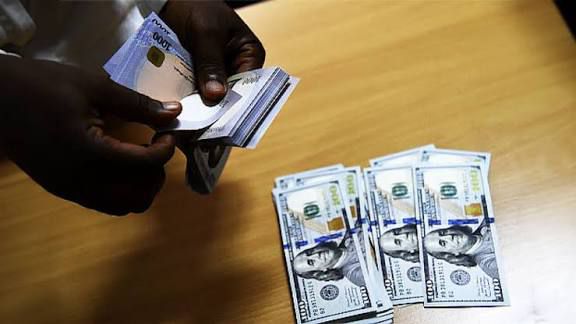
Nigeria’s foreign exchange market opened the week with renewed volatility as both the British pound and the euro strengthened against the naira across official and parallel market segments.
The movement reflects a mixture of seasonal demand, import pressure, and ongoing liquidity constraints that continue to shape Nigeria’s currency dynamics as the year draws to a close.
Data from online aggregators, market monitoring desks, and bureau-de-change operators show the naira trading weaker on Monday, with traders attributing the shift to increased dollar, pound, and euro demand from travellers, manufacturers, and individuals making holiday-season payments abroad.
While the Central Bank of Nigeria (CBN) has continued to maintain its monetary stance and FX management framework, analysts believe the naira remains under pressure from structural concerns, including limited inflow from oil revenues, high import dependency, and uneven remittance conversion through official channels.
Pound and Euro to Naira Exchange Rate Today and Market Drivers
Market surveys across Lagos, Port Harcourt, Abuja, and Kano indicate that the Pound and Euro to Naira exchange rate today trended upward in both the Nigerian Foreign Exchange Market (NFEM) and the parallel market.
Many retail end-users and import-dependent businesses encountered slightly higher rates as FX supply struggled to match increased seasonal demand.
Pound to Naira Movement
In the NFEM window, the British pound traded around ₦1,820 – ₦1,835, depending on the available liquidity and bank-specific pricing mechanisms.
Market analysts describe the pound’s upward movement as part of a broader strengthening trend in the international market, where the currency has shown resilience following recent Bank of England guidance on inflation stabilization.
Within the parallel market, bureaux-de-change operators quoted the pound at approximately ₦1,845 for buying and ₦1,860 for selling, representing a modest increase from last week’s range.
Some traders reported even higher intraday highs in high-demand areas of Lagos Island and Abuja’s Wuse district.
Euro to Naira Movement
The euro followed a similar trajectory, with the NFEM showing an average trading range of ₦1,540 – ₦1,552.
Though not as steep as the pound’s climb, the euro’s upward movement reflects market adjustments triggered by steady demand for European currency payments in trade, school fees, medical travel, and e-commerce transactions.
In the parallel segment, the euro exchanged for around ₦1,558 (buy) and ₦1,570 (sell), figures that traders attributed to an uptick in seasonal remittances and increased requests for European currencies by Nigerians travelling for year-end holidays.
Why the Pound and Euro to Naira Exchange Rate Today Is Rising
Forex analysts point to several critical underlying factors shaping the Pound and Euro to Naira exchange rate today:
Increased Holiday Travel and Payments Abroad
Year-end always triggers a spike in FX demand. Nigerians paying for holiday travel, hotel bookings, school tuition, winter relocations, or medical consultations in Europe typically increase their demand for pounds and euros.
This demand tends to stretch supply in the parallel market faster than the official window can accommodate.
Limited Official Forex Liquidity
Although the CBN has maintained active engagement in the FX markets through interventions and tighter monetary policies, official FX supply for retail users remains constrained.
Many individuals and small businesses who cannot access the NFEM window end up sourcing pounds and euros from the parallel market, pushing prices upward.
Stretched Import Financing
Nigerian importers with payment obligations in pounds and euros continue to experience challenges securing FX at the official rate.
The constant demand for raw materials, vehicle parts, pharmaceutical imports, machinery, and consumer goods keeps pressure on the naira across multiple foreign currencies.
External Factors Strengthening Both Currencies
The British pound’s global strength and the euro’s relative stability after recent European Central Bank commentary contributed to the uptick.
When major currencies strengthen internationally, emerging-market currencies like the naira typically feel additional pressure.
Impact on Consumers, Travellers, and Businesses
The movement in the Pound and Euro to Naira exchange rate today has practical consequences across several segments of the Nigerian economy.
For Travellers
Those travelling to the UK or EU face higher conversion costs, especially if sourcing currency from the parallel market.
Many travel agencies report a surge in inquiries about alternative FX sourcing options, as travellers seek to minimise expenses.
For Students Abroad
Nigerian students schooling in the UK and Europe—who already face high tuition obligations—may encounter even steeper conversion costs when paying school fees, accommodation charges, or living expenses.
For Businesses
Import-heavy sectors such as manufacturing, pharmaceuticals, and retail trade bear the brunt of the rising rates.

Many of these businesses use euro-denominated letters of credit or pound-denominated supplier agreements, and the rate shifts directly influence the cost of goods landing in Nigeria.
For Remittance Recipients
While higher exchange rates may benefit some Nigerians receiving remittances in pounds or euros, the advantage depends on whether funds are received via banks at the official rate or through informal channels.
Outlook for December
Financial analysts say the naira may continue to experience mild pressure throughout December, with demand for foreign currency expected to peak in the third and fourth weeks of the month.
PFactors that could support the naira include improved oil receipts, increased diaspora remittances, and potential CBN interventions in the official window.
However, without substantial liquidity inflows, the Pound and Euro to Naira exchange rate today may reflect short-term volatility as the country navigates seasonal economic activity.
For now, traders and market watchers will continue tracking official data releases, CBN announcements, and global currency movements to anticipate the naira’s direction in both the NFEM and parallel markets.