The divided Gaza green zone plan has emerged as the most contentious proposal shaping current diplomatic discussions, prompting renewed scrutiny of security priorities, reconstruction ambitions, and humanitarian responsibilities across the shattered enclave.
Leaders involved in negotiating post-conflict arrangements insist any stabilisation roadmap must be credible and enforceable, especially as competing national interests continue complicating prospects for rapid recovery or unified political management.
Humanitarian organisations warn that delays in agreeing to workable structures could leave vulnerable communities exposed, particularly where essential services remain unstable and heavily dependent on limited international relief streams.
Despite heightened diplomatic activity, negotiators remain divided on implementation mechanisms, oversight responsibilities, and the long-term viability of proposals aimed at balancing military control with civilian governance priorities.
The divided Gaza green zone plan reappeared during recent briefings, where analysts evaluated potential outcomes and assessed whether proposed security corridors might inadvertently deepen geographic separation between already fragmented districts.
Military planners argue that designated neutral areas could reduce hostilities, although critics question whether such zones risk becoming semi-permanent barriers restricting movement for families seeking reunification.
International aid officials maintain that reconstruction timelines must be synchronised with security guarantees, ensuring displaced households can safely return to damaged neighbourhoods without facing renewed threats or unpredictable restrictions.
Diplomatic envoys have emphasised that transparent communication channels are essential, particularly when encouraging regional partners to contribute resources or personnel to stabilisation missions requiring long-term commitments.
Observers believe the success of emerging agreements depends on whether political leaders demonstrate genuine willingness to adopt unified strategies rather than competing agendas that repeatedly stall progress.
Human rights monitors continue documenting civilian hardships, urging negotiators to prioritise welfare protections and ensure proposed policies do not unintentionally undermine already fragile community resilience networks.
Security analysts suspect rival factions may attempt to leverage uncertainty within transitional frameworks, potentially complicating coordination efforts and delaying planned infrastructure rehabilitation.
Concerns resurfaced when stakeholders debated how the divided Gaza green zone plan might influence future administrative boundaries, particularly in areas requiring shared oversight between conflicting authorities.
Regional governments continue pressing for clarity regarding operational command structures, seeking assurances that foreign personnel will not overstep mandates or provoke additional tensions.
Economic specialists warn that without a unified reconstruction budget, fragmented funding channels could create inefficiencies and slow efforts to restore essential public services across devastated districts.
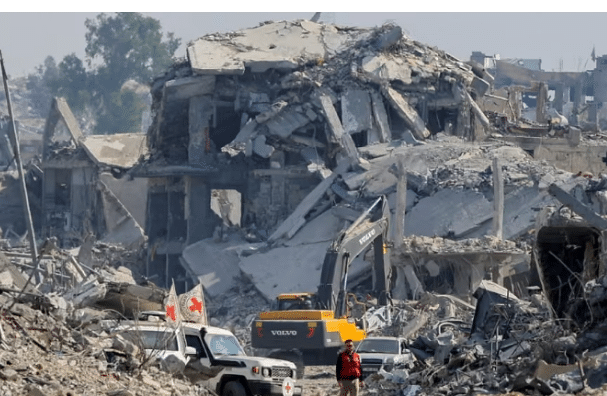
Aid convoys entering affected zones often encounter logistical obstacles, reinforcing arguments for streamlined coordination mechanisms capable of preventing unnecessary delays during critical resupply missions.
Cultural preservation advocates highlight the importance of safeguarding heritage sites, noting that reconstruction strategies must integrate protections for historical landmarks central to community identity.
Local healthcare workers remain overwhelmed, calling for specialised medical teams to assist with trauma care, infectious disease containment, and long-term rehabilitation services for severely injured civilians.
Political researchers argue the region requires governance frameworks capable of balancing security imperatives with democratic accountability, particularly where population displacement has altered local administrative dynamics.
Humanitarian leadership groups continue urging for stronger oversight to prevent corruption, ensuring reconstruction funds directly benefit communities most affected by prolonged instability and systemic infrastructure collapse.
Analysts revisited the divided Gaza green zone plan when assessing potential cross-border arrangements, noting potential impacts on trade corridors, humanitarian access routes, and regional diplomatic alliances.
International stabilisation force proposals remain heavily debated, with participating nations weighing the risks of extended deployment against perceived obligations to support long-term peace efforts.
Urban planning experts stress that reconstruction blueprints must consider population density, land availability, and sustainable design principles to prevent repeating systemic vulnerabilities.
Displaced families continue requesting transparent updates on relocation policies, fearing prolonged uncertainty may become entrenched if official communication remains inconsistent.
Environmental scientists warn that damaged wastewater systems pose serious contamination risks, urging immediate intervention to prevent further ecological degradation.

Community organisers emphasise that rebuilding trust requires inclusive decision-making models ensuring residents have meaningful input in recovery planning and local development priorities.
International negotiators face mounting pressure to accelerate talks, particularly as winter conditions exacerbate humanitarian suffering among displaced populations.
Humanitarian logistics officers recommend establishing protected supply routes capable of supporting regular convoy movement despite frequent security disruptions.
Questions persist regarding whether the divided Gaza green zone plan could unintentionally reinforce asymmetric power structures, complicating long-term reconciliation between rival political groups.
Economic development teams argue that job-creation initiatives must accompany reconstruction projects, enabling affected households to regain financial stability and rebuild livelihoods.
Education specialists insist that reopening schools must remain a priority, identifying youth access to learning as essential for long-term resilience and social cohesion.
Water infrastructure repairs face technical challenges, requiring coordinated engineering support from international agencies and regional development experts.
Emergency shelter operations continue expanding as agencies confront increasing demand for safe housing solutions, particularly among families unable to return home.
Agricultural planners warn that disrupted supply chains threaten regional food security, urging immediate investment in crop restoration and livestock recovery programs.
Civil society groups call for sustained monitoring to ensure displaced communities maintain access to legal assistance throughout the reconstruction process.
Communications specialists highlight the need for reliable networks to coordinate aid distribution, emergency services, and community response operations.
Tensions escalated within diplomatic circles when the divided Gaza green zone plan appeared to shape competing interpretations of territorial rights and administrative authority.
Mental health professionals caution that prolonged exposure to conflict environments increases psychological trauma, requiring specialised long-term support services.
Infrastructure engineers continue assessing structural integrity across residential districts, identifying priority zones requiring immediate reinforcement.
Energy sector advisors warn that power grid instability may prolong humanitarian suffering unless rapid repair frameworks are implemented.
Local volunteers remain active across affected communities, distributing essential supplies and assisting with emergency response coordination.
Civil-military cooperation has become essential for facilitating safe operational environments, particularly in areas where sporadic unrest continues.
Crisis-management specialists insist that well-defined contingency plans must accompany all reconstruction efforts to ensure sustainability.
Regional observers maintain close watch on diplomatic engagements, wary that shifting alliances may reshape the wider geopolitical landscape.
Humanitarian policy groups revisited concerns that the divided Gaza green zone plan might limit freedom of movement, particularly for vulnerable families requiring consistent medical access.
Technicians repairing communication towers stress that restoring digital connectivity is vital for both civilian needs and operational coordination among field teams.
Labour unions supporting reconstruction personnel urge adherence to safety standards across all work sites to prevent avoidable injuries.
Youth advocates continue urging for conflict-resolution programs that empower young people to participate positively in community rebuilding.
Emergency planners identify evacuation protocols as crucial components of readiness strategies, particularly in unpredictable security environments.
Development economists warn that financial instability could derail recovery unless coordinated international investments are secured.
Women’s organisations emphasise the need for inclusive protection strategies ensuring equitable access to relief, services, and decision-making processes.
Transport experts highlight urgent requirements for road clearance and rehabilitation to restore mobility across heavily damaged regions.
Debates surrounding the divided Gaza green zone plan re-emerged when negotiators examined how proposed boundaries might affect long-term reconstruction governance structures and shared administrative responsibilities.
Security consultants underscore the importance of demilitarised pathways capable of supporting sustained humanitarian operations.
Architects designing temporary housing solutions prioritise climate-resilient materials capable of withstanding seasonal extremes.
Field medics continue documenting widespread injuries requiring sustained medical support beyond emergency interventions.
Sociologists note that rebuilding social cohesion requires addressing longstanding grievances through equitable development and transparent policy implementation.
Diplomats engaged in ongoing negotiations express cautious optimism, believing structured dialogue may gradually reduce friction between stakeholders.
Community elders emphasise preserving cultural traditions as a cornerstone of psychological recovery and collective resilience.
International agencies remain committed to supporting long-term stabilisation, although concerns persist regarding funding shortages and unpredictable regional dynamics.
As discussions evolve, stakeholders acknowledge that sustainable recovery hinges on coordinated leadership, practical governance models, and enduring commitments to humanitarian protection for every affected community.
About The Author