Democrats decry Venezuela attack as Republicans defend Trump after Senate briefing, exposing a sharp partisan divide after lawmakers received classified details of the unprecedented US military operation.
Top officials from the Trump administration arrived on Capitol Hill to justify one of the most dramatic US military actions in decades, following the seizure of Venezuela’s president.
The classified Senate briefing brought together more than 100 lawmakers, many hearing operational details for the first time since the raid unfolded before dawn.
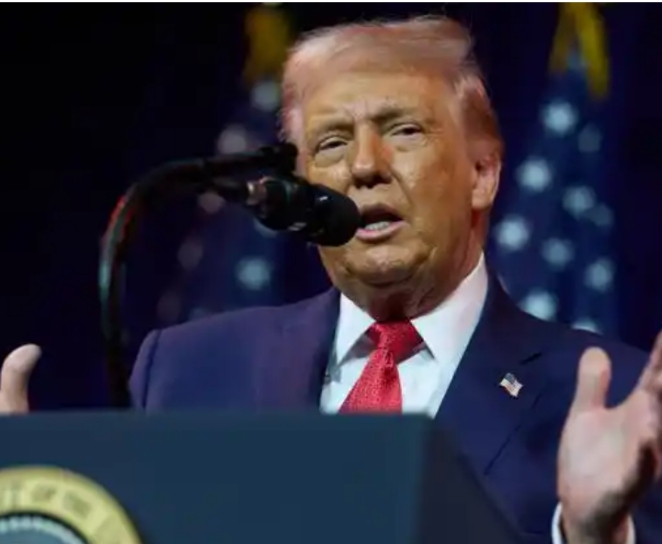
Secretary of state Marco Rubio led the delegation, joined by defense secretary Pete Hegseth, attorney general Pam Bondi, CIA director John Ratcliffe, and General Dan Caine.
Officials outlined Operation Absolute Resolve, a lightning raid that captured Venezuelan president Nicolás Maduro from his Caracas residence and transferred him to US custody.
Maduro and his wife, Cilia Flores, were flown first to a US naval vessel, then transported to New York, where Maduro appeared in federal court.
He pleaded not guilty to charges including narco-terrorism conspiracy, cocaine trafficking, and weapons offenses tied to a longstanding US indictment.
Republicans emerging from the briefing praised the operation, echoing Trump’s assertion that the mission was a lawful arrest of an indicted criminal.
“What we did is we took out an illegitimate president,” said Republican senator Markwayne Mullin, defending the legality of the intervention.
Mullin argued that regime change could not apply because Maduro, in his view, “was never duly elected in the first place.”
Democrats, however, reacted with alarm, describing the raid as an unconstitutional act of war conducted without congressional authorization.
“This is an insane plan,” said Democratic senator Chris Murphy, warning the US was “going to take the oil by force.”
Murphy accused the administration of planning to seize Venezuelan oil as leverage while lacking any clear strategy for political stability.
According to Murphy, lawmakers heard “no detailed plan” explaining how Venezuela would function after the removal of its longtime leader.
Rubio, addressing reporters, emphasized oil as central to the administration’s Venezuela strategy, outlining a three-phase stabilization process.
“We are going to take between 30 and 50 million barrels of oil,” Rubio said, insisting sales would occur at full market rates.
The comments intensified Democratic concerns that economic exploitation, not democratic reform, was driving US policy toward Venezuela.
Representative Gregory Meeks compared Trump’s actions to authoritarian governance, accusing Republicans of abandoning constitutional oversight.
“We’re being treated like the Duma in Russia,” Meeks said, criticizing the lack of congressional consultation before the operation.
Public opinion appears to reflect the unease voiced by Democratic lawmakers following the classified briefings.
A Washington Post poll found more than six in ten Americans believe congressional approval should have preceded the military action.
A separate Reuters/Ipsos survey showed roughly three-quarters of respondents fear the US could become too deeply involved in Venezuela.
Senate minority leader Chuck Schumer said Americans across the country were confused and unsettled by the unfolding situation.
“People are just saying: what the hell is going on?” Schumer told reporters after the briefing.
Schumer demanded clarity on troop levels, financial costs, timelines, and guardrails limiting US involvement.
Despite criticism, the Trump administration signaled no intention to reverse course or reduce military pressure.
Defense secretary Hegseth said US forces remain ready to continue operations if necessary.
“The president means what he says,” Hegseth declared. “This is an administration of action.”
International reaction has been swift and overwhelmingly negative following confirmation of the raid.
Brazil, Mexico, Chile, France, Spain, China, Iran, and Russia have all formally condemned the operation.
At the United Nations security council, Russia and China demanded Maduro’s immediate release from US custody.
The United States defended its actions as a targeted law-enforcement operation against a criminal defendant.
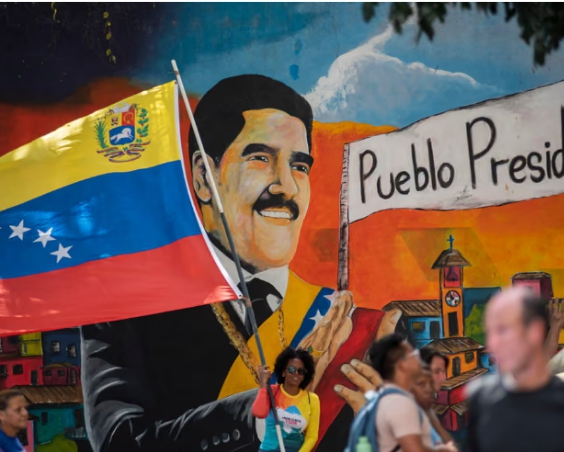
Meanwhile, Trump has stated the US would “run” Venezuela for an unspecified period, raising further legal and diplomatic questions.
The administration has allowed vice-president Delcy Rodríguez, considered a Maduro loyalist, to remain temporarily in office.
Democratic senator Peter Welch warned that the broader Maduro power structure remains intact.
“The entire apparatus is still there,” Welch said, questioning what changes the operation truly achieved.
Welch praised the military’s execution but criticized the absence of a post-operation governance plan.
Republicans, however, have expanded their national security rhetoric beyond Venezuela.
Senator Eric Schmitt suggested US interests could extend toward Greenland, citing alleged Chinese and Russian activity nearby.
Trump has also kept US naval assets positioned off Venezuela’s coast as pressure continues.
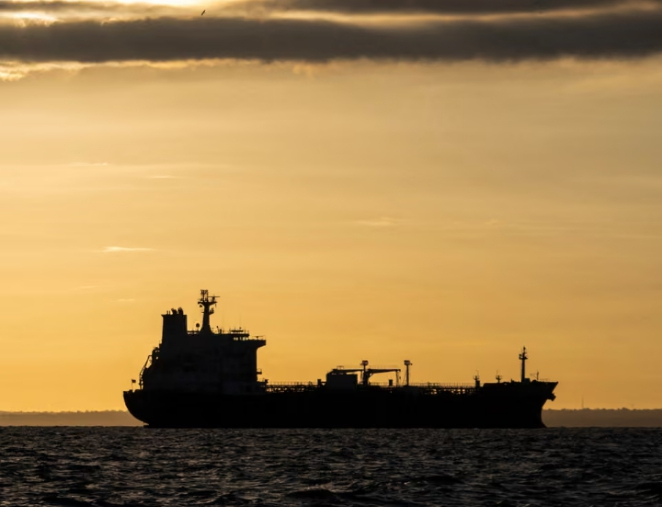
On Tuesday morning, the US Coast Guard seized two Venezuela-linked oil tankers in separate operations.
The seizures signaled that economic and maritime enforcement actions will accompany military measures.
As Congress debates war powers resolutions, the political divide appears likely to deepen.
Read also: Russia says US seizure of Russia-flagged tanker violates international maritime law
Democrats insist the precedent set could allow future presidents unchecked authority to deploy force abroad.
Republicans argue Trump’s decisiveness restored American strength and deterrence.
With Maduro jailed, Venezuela destabilized, and international condemnation mounting, uncertainty dominates Washington’s outlook.
What happens next remains unanswered, even as Democrats decry Venezuela attack as Republicans defend Trump after Senate briefing.
About The Author