Democrats boycott State of the Union as opposition lawmakers and activists reject participation in President Donald Trump’s address, staging rival events across Washington instead.
Democrats boycott State of the Union in what party leaders describe as an extraordinary response to extraordinary political circumstances under a second Trump presidency marked by deep polarization.
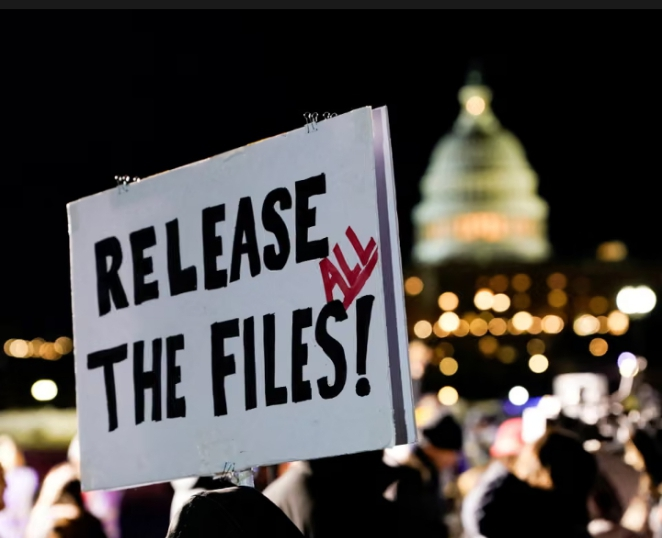
The boycott unfolded alongside large public gatherings intended to present an alternative political vision, reflecting frustration among voters and elected officials who view the administration as hostile to democratic norms.
On the National Mall, hundreds assembled for the People’s State of the Union, a counter-rally featuring Democratic members of Congress, activists, and citizens opposing Trump’s policy agenda.
Approximately thirty Democratic lawmakers attended the Mall gathering, choosing public protest over formal attendance inside the Capitol where the president delivered his constitutionally mandated speech.
Democrats boycott State of the Union partly to highlight what organizers described as a widening disconnect between presidential rhetoric and the lived realities of many Americans nationwide.
Protest signs emphasized healthcare access, immigration reform, and government accountability, with chants criticizing Immigration and Customs Enforcement and calling for reduced enforcement funding.
One speaker displayed images of individuals who died following encounters with immigration authorities, underscoring the emotional and political intensity surrounding federal enforcement policies.
The rally began roughly one hour before Trump’s address, signaling deliberate timing meant to compete directly with the national broadcast of the president’s speech.
MoveOn executive director Katie Bethell told supporters the boycott was necessary because Trump’s speech would misrepresent conditions facing ordinary Americans today.
The crowd repeatedly chanted abolitionist slogans targeting immigration enforcement agencies, reinforcing progressive demands that have become central within segments of the Democratic coalition.
Senator Chris Murphy explained his absence from the chamber by stating that Democrats must abandon political normalcy during abnormal political times.
Murphy introduced Afghan refugee advocate Fereshteh Ganjavi, linking immigration debates to personal testimony and broader humanitarian concerns affecting displaced populations.
A brief disruption occurred when a Trump supporter crossed security barriers, prompting organizers to remove the individual as attendees loudly expressed disapproval.
Television host Joy Reid addressed the interruption directly, emphasizing that the event was intended for voices affected by government policies.
Earlier that day, Democratic leaders circulated a list of roughly thirty lawmakers pledging to boycott the address, reflecting coordinated resistance rather than isolated dissent.
Those listed included senators Adam Schiff and Chris Van Hollen, alongside House members from multiple states.
At the Mall rally, chants demanding the release of government files grew louder as Representative Summer Lee took the stage.
Lee accused federal authorities of shielding powerful figures by withholding unredacted documents related to the Epstein investigation.
She announced plans to introduce articles of impeachment against Attorney General Pam Bondi for refusing to comply with a congressional subpoena.
Organizers reported that hundreds of thousands viewed the event online, indicating significant national interest beyond the physical gathering in Washington.
As evening progressed, protesters launched familiar unity chants emphasizing collective resistance and historical protest traditions within American political culture.
Palestinian activist Mohsen Mahdawi, previously targeted for deportation, urged attendees to reject fear and assert moral courage against governmental intimidation.
Several speakers encouraged voter participation ahead of the November midterm elections, framing turnout as essential to defending democratic institutions.
Schiff warned that future elections could face interference, alleging potential voter intimidation and administrative obstacles under the current administration.
Crowds responded enthusiastically when speakers framed electoral participation as the primary mechanism for political accountability and peaceful change.
Meanwhile, a second counter-event titled State of the Swamp unfolded at the National Press Club, drawing politicians, legal experts, and entertainment figures.
Actor Robert De Niro headlined the gathering, delivering remarks sharply critical of Trump’s leadership and political conduct.
De Niro characterized the national crisis as internal rather than external, urging sustained civic engagement rather than violent confrontation.
The program featured appearances by Mark Ruffalo, Stacey Abrams, George Conway, Joyce Vance, and Glenn Kirschner.
Journalists Jim Acosta, Mehdi Hasan, and Don Lemon also participated, blending media analysis with political advocacy throughout the evening.
Minneapolis mayor Jacob Frey described the event as a gathering of citizens alarmed by perceived constitutional erosion.
Frey highlighted abortion rights, climate protections, and international tensions as dominant anxieties motivating public opposition to the administration.
The ballroom featured symbolic protest imagery, including frog-themed merchandise referencing earlier demonstrations against federal immigration operations.
Inside the venue, Trump’s speech was muted while speakers offered real-time rebuttals and counter-narratives to presidential claims.
Former press secretary Stephanie Grisham accused Trump of habitual dishonesty based on her experiences inside his first administration.
Grisham recalled Trump’s belief that repetition could substitute for truth, warning audiences that misleading statements were ongoing during the address.
Democrats boycott State of the Union as part of a broader strategic shift away from symbolic bipartisanship toward overt confrontation.
Party officials argue that attending the address would legitimize policies they believe undermine democratic norms and civil liberties.

Critics counter that boycotts risk further polarization, potentially weakening institutional traditions meant to foster national unity.
Supporters insist that normal procedures cannot persist when foundational principles are perceived to be under sustained threat.
The evening’s events illustrated a Democratic Party experimenting with protest politics while preparing for consequential midterm elections.
Democrats boycott State of the Union not as a singular protest, but as a declaration of sustained resistance shaping the next phase of American politics.
About The Author