The David Hockney Death has sent shockwaves through the global art community, marking the end of one of the most influential and celebrated artistic careers of the modern era. For more than six decades, Hockney challenged conventions, transformed visual storytelling, and inspired generations of artists through his fearless creativity and relentless experimentation.
Known for his vibrant depictions of California swimming pools, groundbreaking photographic collages, and innovative digital artworks, Hockney was far more than a painter. He was a cultural force whose work captured the beauty, complexity, and changing nature of modern life. His death at the age of 88 closes a remarkable chapter in contemporary art history but leaves behind a legacy that will continue to influence the art world for generations.
A Giant of Modern Art Passes Away
The celebrated British artist passed away peacefully at his home on June 11, 2026, just weeks before his 89th birthday. News of his death prompted tributes from political leaders, fellow artists, museums, collectors, and admirers around the world.
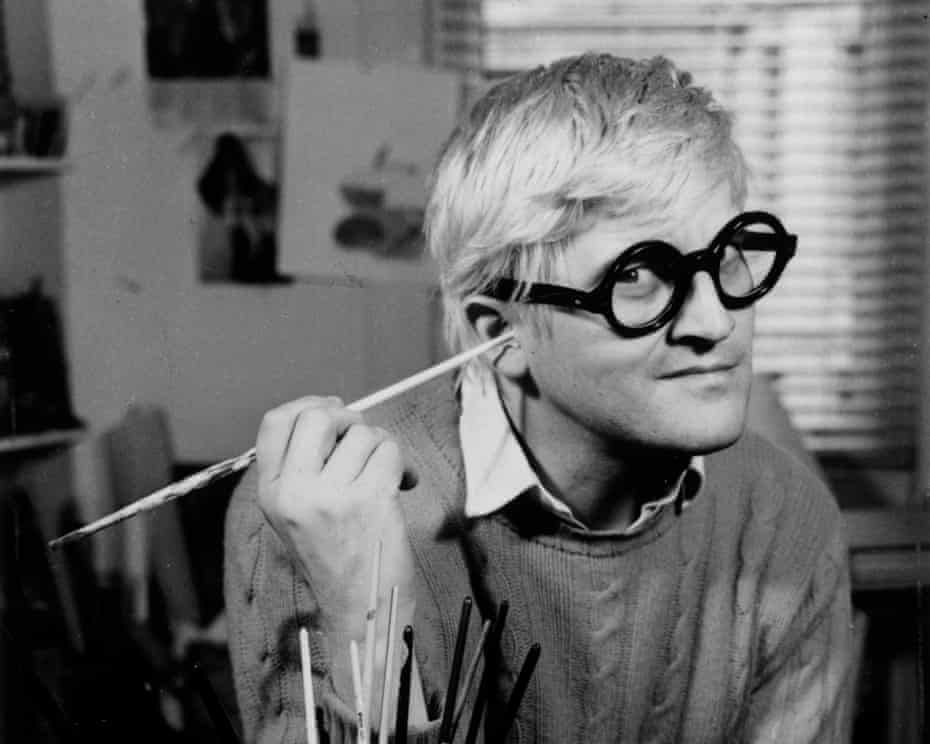
Hockney’s representatives described him as one of the most important artistic figures of both the 20th and 21st centuries. They highlighted his enduring enthusiasm for life, his curiosity, generosity, and his famous personal philosophy: “Love Life.”
The announcement immediately sparked an outpouring of appreciation for an artist whose work transcended national borders and artistic movements.
Why David Hockney Was So Important
Few artists managed to reinvent themselves as often as Hockney.
Throughout a career spanning more than 60 years, he consistently embraced new ideas, technologies, and techniques while remaining unmistakably himself. Whether working with paint, photography, fax machines, printers, or tablet computers, Hockney approached every medium with the same sense of wonder and innovation.
A Pop Art Pioneer
During the 1960s, Hockney emerged as one of Britain’s most exciting young talents. Although often associated with the Pop Art movement, he developed a distinctive visual language that separated him from many of his contemporaries.
His art blended personal storytelling with vibrant color palettes and bold compositions. Rather than focusing solely on consumer culture, Hockney explored themes of identity, relationships, memory, and perception.
His willingness to challenge social norms made him a groundbreaking figure at a time when homosexuality remained criminalized in Britain.
From Bradford to Global Fame
Born in Bradford, West Yorkshire, in 1937, Hockney grew up in a working-class family that encouraged his artistic ambitions.
His talent became evident at an early age. After studying at Bradford College of Art, he continued his education at London’s Royal College of Art, where his rebellious spirit quickly became legendary.
Even as a student, he challenged traditional expectations and insisted that artistic expression should take precedence over rigid academic requirements.
That confidence would become a defining characteristic throughout his career.
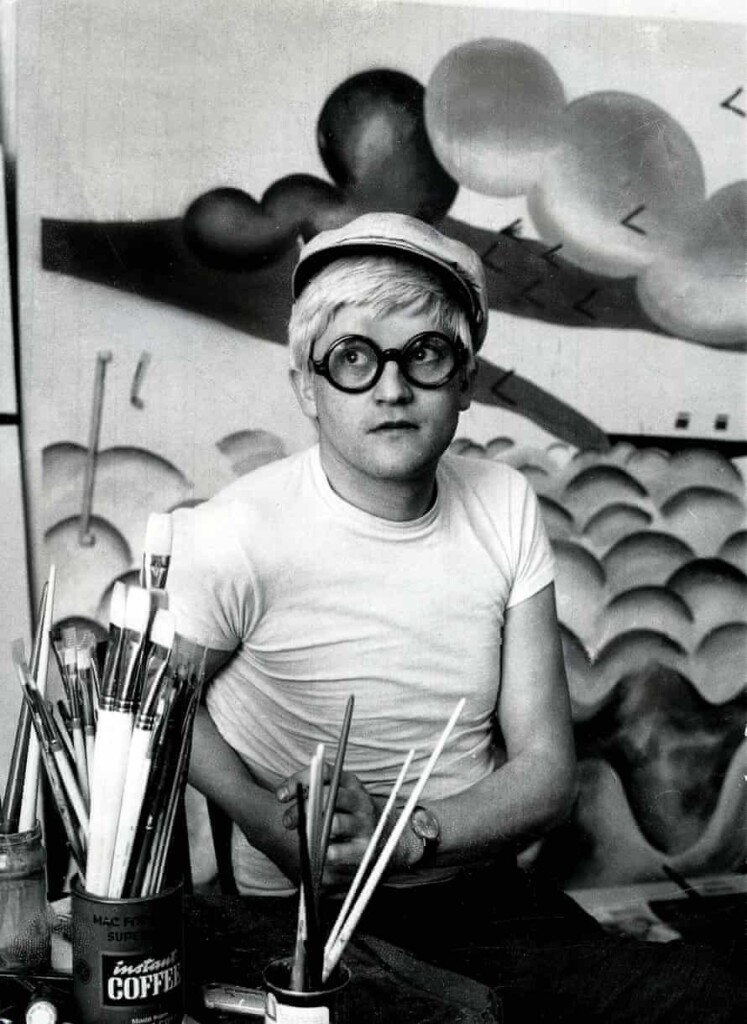
The Los Angeles Years
A move to Los Angeles during the 1960s transformed both Hockney’s life and artistic vision.
Inspired by California’s sunshine, architecture, and lifestyle, he created some of his most famous works. Swimming pools became recurring subjects, symbolizing desire, beauty, leisure, and emotional complexity.
The bright colors and clean lines of Southern California provided a stark contrast to the grey landscapes of post-war Britain, helping Hockney develop a style that would become instantly recognizable around the world.
The Paintings That Defined a Generation
When discussing David Hockney Paintings, two masterpieces are frequently mentioned above all others.
A Bigger Splash
Completed in 1967, A Bigger Splash became one of the defining images of modern art.
The painting captures a moment immediately after a diver enters a swimming pool. Remarkably, the diver is absent, leaving only the splash itself as evidence of human presence.
The work showcased Hockney’s fascination with perspective, light, and movement while perfectly capturing the atmosphere of California life.
Portrait of an Artist (Pool With Two Figures)
Perhaps Hockney’s most celebrated painting, Portrait of an Artist (Pool With Two Figures), combined emotional depth with technical brilliance.
Inspired by the end of a romantic relationship, the painting explored themes of love, separation, longing, and vulnerability.
In 2018, the artwork sold for more than $90 million, setting a record at the time for a living artist and cementing its place among the most important works of contemporary art.
David Hockney Legacy Beyond Painting
While many know him primarily as a painter, Hockney’s influence extended far beyond traditional canvas work.
Reinventing Photography
In the 1980s, he developed his famous “joiners” — photographic collages created by assembling dozens or even hundreds of individual photographs.
These works challenged conventional ideas about perspective and visual perception.
Rather than presenting a single viewpoint, Hockney’s photographic compositions encouraged viewers to experience multiple perspectives simultaneously.
Many critics compared these experiments to Cubism, while others viewed them as a revolutionary bridge between photography and painting.
Embracing Technology
Unlike many artists of his generation, Hockney eagerly embraced technological change.
He used photocopiers, fax machines, printers, and eventually tablet computers as creative tools. His digital drawings created on iPhones and iPads demonstrated that artistic innovation could flourish regardless of medium.
For Hockney, technology was valuable only if it expanded the possibilities of visual expression.
As he once explained, he was interested in anything that helped create a picture.
Tributes Pour In From Around the World
Following the David Hockney Death announcement, tributes arrived from across the globe.
British Prime Minister Keir Starmer described him as one of Britain’s most celebrated artists whose influence extended across generations.
Museum directors praised his originality, courage, and ability to see beauty in everyday life. Art institutions throughout Europe and North America recognized him as a transformative figure who changed how people viewed painting, photography, and visual storytelling.
Many artists credited Hockney with inspiring their own creative journeys.
Museums Honor His Legacy
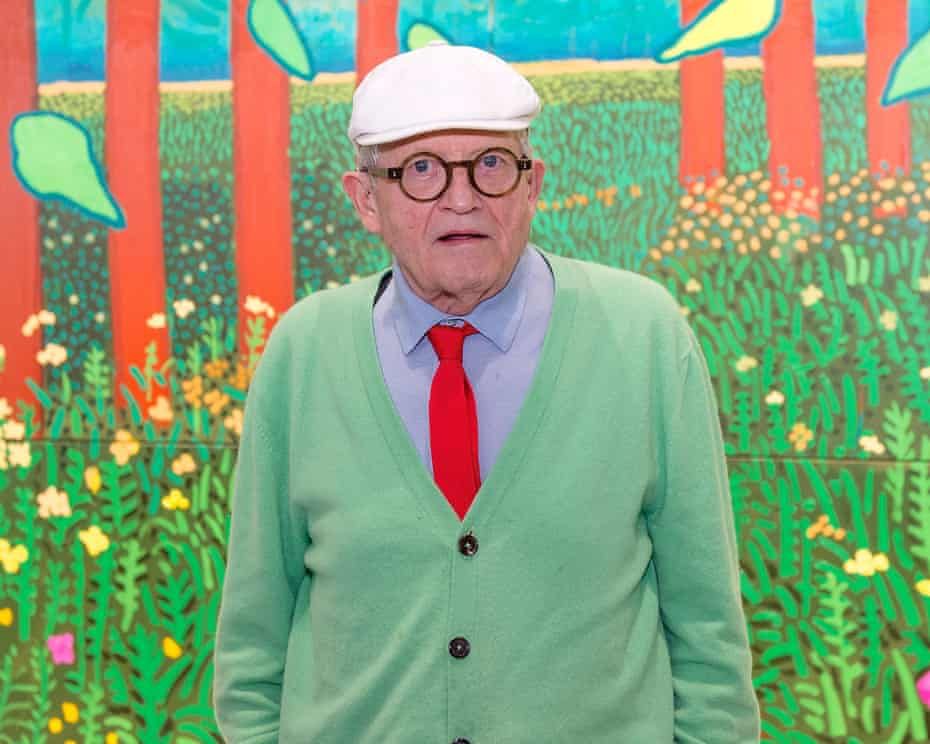
Major institutions including Tate Britain and the Pompidou Centre paid tribute to the artist.
The Tate reaffirmed plans for major exhibitions dedicated to his work, while museum leaders emphasized that Hockney’s influence would continue long after his passing.
His works remain among the most recognizable and beloved pieces of modern art.
A Fearless Independent Thinker
One of Hockney’s most admired qualities was his refusal to conform.
He challenged artistic conventions, questioned accepted historical theories, and consistently followed his own instincts.
Whether discussing painting techniques, photography, technology, or society itself, Hockney never hesitated to express his views.
This independence helped make him one of the most fascinating and influential cultural figures of his generation.
Read also: Iran Peace Agreement Nears Breakthrough as Trump Claims Deal Is Close but Tehran Urges Caution
The David Hockney Death marks the end of an extraordinary artistic journey, but it does not mark the end of his influence. Few artists have left such a profound imprint on modern culture while remaining so relentlessly curious and inventive throughout their lives.
From Bradford to Los Angeles, from paintbrushes to digital screens, Hockney transformed the way people see the world. His masterpieces continue to inspire awe, his innovations continue to shape contemporary art, and his vision remains as vibrant as ever.
As galleries, museums, and admirers reflect on his remarkable life, one truth stands clear: David Hockney was not merely a great artist. He was one of the defining creative minds of the modern age, and his legacy will endure for generations to come.