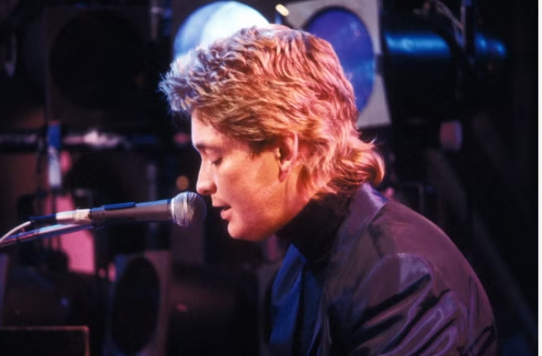
The Chris Rea death has been confirmed after the British singer-songwriter, famed for “Driving Home For Christmas”, passed away aged 74 following a short illness.
Chris Rea died on Monday, December 22, 2025, in hospital, with his family confirming he was surrounded by loved ones during his final moments.
A statement released on behalf of his wife and two children described the loss as devastating and thanked fans for decades of loyalty and support.
The family said Rea passed away peacefully earlier in the day after battling health complications that had affected him intermittently over many years.
Chris Rea had a long history of serious medical challenges, including pancreatic cancer, which resulted in the removal of his pancreas in 2001.
Despite undergoing major surgery, Rea continued to write, record, and perform music, demonstrating remarkable resilience throughout the later stages of his career.
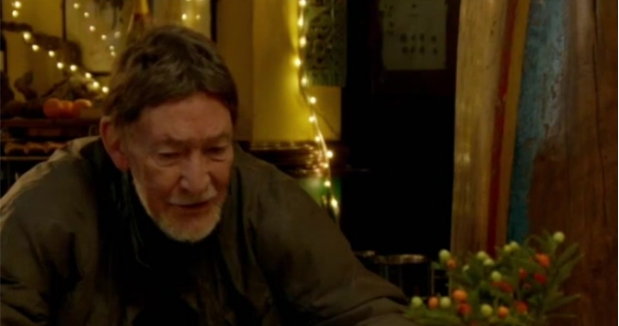
In 2016, Rea suffered a stroke, an event that further limited his ability to tour extensively but did not end his creative output.
Born in Middlesbrough in northeast England, Chris Rea grew up immersed in blues, soul, and rock influences that shaped his distinctive musical style.
He rose to prominence during the late 1970s after signing a recording contract that initially attempted to rebrand him under a different stage name.
Rea rejected the proposed name and released his debut album, Whatever Happened To Benny Santini?, in 1978 under his real identity.
The album featured “Fool (If You Think It’s Over)”, which became an international hit and earned a Grammy nomination.
That early success marked the beginning of a career spanning more than four decades, during which Rea sold millions of records worldwide.
Throughout the 1980s, he cemented his reputation with albums that blended blues guitar, reflective lyrics, and working-class storytelling.
Songs such as “The Road To Hell”, “On The Beach”, and “Let’s Dance” became staples of British radio and international charts.
However, it was “Driving Home For Christmas” that secured Rea an enduring place in popular culture across multiple generations.
Released in 1986, the song gradually grew in popularity before becoming one of the United Kingdom’s most recognisable festive anthems.
The track has consistently re-entered music charts during the Christmas period, decades after its initial release.
In interviews, Rea explained the song was inspired by the emotional mix of exhaustion, frustration, and anticipation experienced during holiday travel.
He revealed the song was written while returning home after touring, capturing both traffic delays and the warmth of family reunions.

Despite its popularity, Rea did not perform “Driving Home For Christmas” live until 2014, nearly thirty years after recording it.
He later recalled reluctantly agreeing to perform it at a London concert after persistent encouragement from his road crew.
That performance famously involved artificial snow machines, resulting in thousands of pounds in clean-up costs, according to Rea’s own account.
Just days before his death, Rea spoke publicly about the song’s meaning, describing its enduring appeal as rooted in shared human experiences.
Following news of the Chris Rea death, tributes poured in from musicians, broadcasters, and public figures across the United Kingdom and beyond.
Middlesbrough mayor Chris Cooke said Rea helped place the town on the global cultural map through his music.
Cooke added that Rea remained deeply proud of his roots and maintained strong ties to his hometown throughout his life.
Television presenter Timmy Mallett shared a tribute recalling personal interactions with Rea and praising his warmth and generosity.
Radio host Mike Read described Rea as a “lovely man” and confirmed plans to honour him through a special broadcast tribute.
Comedian Bob Mortimer, a close friend, previously shared anecdotes highlighting Rea’s humour, humility, and perseverance during difficult career moments.
Mortimer recalled Rea writing “Driving Home For Christmas” while facing professional setbacks and personal uncertainty early in his career.
Despite global success, Rea maintained a low public profile, preferring privacy over celebrity and focusing on music rather than fame.
His gravelly voice and expressive slide guitar playing became defining features of his sound, setting him apart from contemporaries.
Over the years, Rea released more than twenty studio albums, many of which achieved commercial and critical success.
Health setbacks eventually reduced his touring schedule, though he continued recording and painting, another creative passion, later in life.
Rea often spoke candidly about illness, crediting music with helping him navigate pain, recovery, and emotional reflection.
The singer’s final years were marked by limited public appearances but continued engagement with fans through interviews and releases.
Read also: Russia probes Kyiv link after car bomb kills Senior military General in Moscow
Following confirmation of the Chris Rea death, fans worldwide shared messages recalling personal memories tied to his music.
Many listeners associated his songs with travel, reflection, and resilience, particularly during the Christmas season.
Rea’s family requested privacy as funeral arrangements are made, while expressing gratitude for the outpouring of global support.
The Chris Rea death marks the passing of an artist whose music combined sincerity, craftsmanship, and emotional honesty across generations.
His legacy endures through songs that continue to soundtrack everyday journeys, quiet moments, and seasonal traditions worldwide.