


China asks Iran to rein in Houthis
China has reportedly asked Iran to rein in the Houthis after Saudi Arabia appealed to Beijing for help following the group’s rapid military advances along Yemen’s Red Sea coast and around the Bab el-Mandeb Strait.
Three Iranian sources familiar with the discussions told Reuters that Beijing privately urged Tehran to use its influence over the Iran-backed Houthis to prevent further escalation and protect critical energy and shipping routes.
The sources said Saudi Arabia turned to China after the Houthi advances increased the risks facing Saudi oil exports and commercial shipping in the region.
China has publicly called for restraint, dialogue and the restoration of safe navigation. However, the sources said Beijing’s private message went further, reflecting concern that the conflict could spread across maritime routes on which the world’s second-largest economy depends.
China Seeks Iran’s Help Over Houthi Attacks
The three Iranian sources said Chinese officials had asked Tehran to help prevent the Houthis from escalating their military activities in Yemen and the Red Sea.
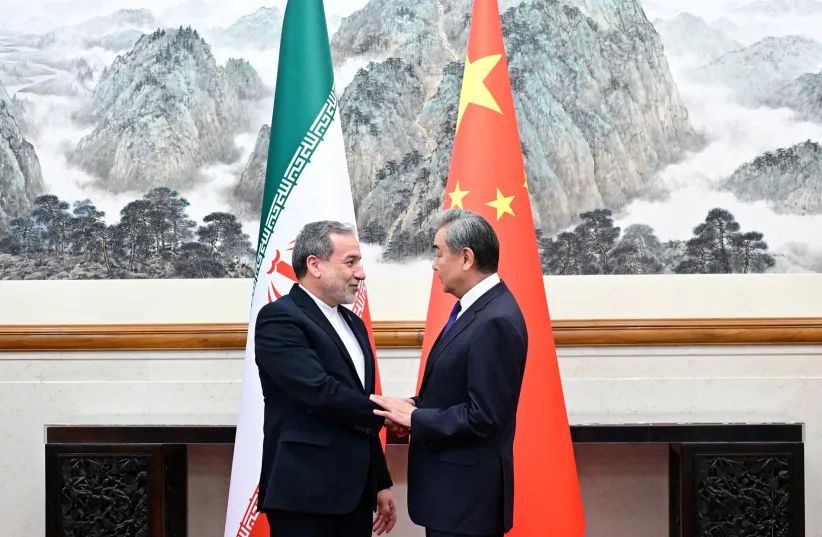
The sources did not disclose how the message was delivered or whether it was discussed during Iranian Foreign Minister Abbas Araghchi’s visit to China on Wednesday.
They also did not say whether Tehran had agreed to take action or exert pressure on the Houthis.
The reported request comes amid heightened tensions across the Middle East, with the Strait of Hormuz and the Bab el-Mandeb Strait facing increasing security concerns.
The Houthis, who are backed by Iran, have become a major factor in the security of the Red Sea, a crucial maritime corridor linking the Indian Ocean with the Mediterranean through the Suez Canal.
Any sustained threat to shipping in the area could affect international trade, oil supplies and the movement of goods between Asia, Europe and the Middle East.
In response to Reuters’ questions, China’s Foreign Ministry did not confirm the private message but said Beijing opposed any further spread of the conflict.
«“China does not wish to see regional tensions further spill over into Yemen and the Red Sea. Escalating regional instability is not in the interests of any party.”»
The ministry added that the sovereignty and security of all countries should be respected and that facilities vital to people’s livelihoods must not be targeted.
«“China calls for an end to actions that further complicate the situation and urges resolving issues through dialogue and negotiation.”»
Saudi Arabia Appeals to Beijing
Saudi Arabia’s reported appeal to China followed rapid Houthi advances along Yemen’s Red Sea coast and around the Bab el-Mandeb Strait.
The developments have raised concerns in Riyadh because of the potential threat to Saudi oil exports, shipping routes and strategic infrastructure.
The Bab el-Mandeb Strait is one of the world’s most important maritime chokepoints. Vessels passing through the waterway can access the Red Sea and continue toward the Suez Canal, making it a key route for trade between Asia and Europe.
The Houthis’ growing military presence in the area has therefore attracted attention from countries far beyond the immediate conflict.
China has major economic interests in the region and relies heavily on Middle Eastern energy supplies. Any disruption to the Red Sea or the Strait of Hormuz could increase transportation costs, delay deliveries and place additional pressure on global energy markets.
The reported Saudi appeal also underlines the importance of China’s relationship with both Iran and the Gulf Arab states.
Beijing has maintained strong economic ties with Tehran while also expanding its commercial and diplomatic engagement with Saudi Arabia and other Gulf countries.
China’s Economic Interests in the Middle East
China has been Iran’s largest trading partner for more than a decade and remains the principal buyer of Iranian oil.
According to commodities data and analytics firm Kpler, Chinese purchases accounted for more than 80 per cent of Iran’s seaborne oil exports in 2025, averaging approximately 1.4 million barrels per day.
That relationship gives Beijing a strong interest in the stability of Iran and the security of the region’s major maritime routes.
China is also dependent on the wider Middle East for energy. Roughly half of its oil imports come from the region, while trade between China and the Gulf Cooperation Council countries is estimated at around $300 billion annually.
Alex Vatanka, director of the Iran programme at the Middle East Institute in Washington, said China’s interests in the Middle East went beyond its relationship with Tehran.
He noted that Beijing could oppose American pressure on Iran while still seeking to prevent Iran-linked groups from disrupting energy routes and commercial shipping.
«“Iran can disrupt Hormuz. But at some point that leverage begins hurting the very power Tehran increasingly depends on,” Vatanka said.»
The reported Chinese request therefore reflects a difficult strategic balance. Beijing may want to maintain its partnership with Iran, but it also needs the Red Sea and Strait of Hormuz to remain open for energy supplies and international commerce.
Read also: Canada EU associate membership: Mark Carney backs closer ties with Europe
Risk of a Wider Regional War
The reported appeal comes as tensions continue to affect the Middle East’s two major maritime corridors.
The Strait of Hormuz, which connects the Persian Gulf with the Gulf of Oman, is a vital route for global oil shipments. The Bab el-Mandeb Strait, meanwhile, connects the Red Sea to the Gulf of Aden.
If both waterways remain disrupted, the impact on global energy markets could become more severe.
The article reported that oil prices had remained above $100 per barrel amid concerns over regional supply disruptions. Saudi Arabia has also faced difficulties moving crude after damage to its East-West pipeline.
The Houthis’ activities have added another layer of uncertainty to the crisis.
The group emerged in Yemen in the 1990s in opposition to Saudi Arabia’s religious and political influence. Iran has provided the Houthis with support, including weapons, training and funding, according to Iranian sources and Western governments.
The Houthis are also regarded as part of Tehran’s wider “Axis of Resistance”, a network of groups opposed to Western and Israeli influence in the region.
Any further Houthi attacks on ships, ports or energy facilities could open another front in the wider confrontation involving Iran, the United States and Israel.
A Western diplomat quoted in the report said China was one of the few countries that could still exert pressure on Tehran to restrain the Houthis.
However, the diplomat also noted that China depended on both the Strait of Hormuz and the Red Sea.
«“Tehran and Beijing need each other. China is a factor Tehran cannot ignore, and Beijing wants Hormuz reopened and Red Sea shipping secured,” the diplomat said.»
Tehran’s Response Remains Unclear
The Iranian sources said it was not clear whether Tehran would act on Beijing’s concerns.
They indicated that Iran’s position remained that regional peace and stability depended on ending the US-Israeli war against Iran.
That response suggests that Tehran’s calculations are shaped by more than its relationship with China or the situation in Yemen.
Iran must balance its political and military ties with the Houthis against its economic dependence on China and its broader confrontation with Washington and its allies.
China remains one of the few countries with the financial capacity to provide investment for Iran’s oil industry and help ease the effects of sanctions and war.
Beijing has also demonstrated diplomatic influence in the region. In 2023, China helped broker an agreement that restored diplomatic relations between Iran and Saudi Arabia after years of hostility.
Nevertheless, China’s influence over Tehran has limits.
Critics inside Iran have complained that Chinese non-oil trade and investment have remained relatively modest since the two countries signed a 25-year cooperation agreement in 2021.
They have also pointed to China’s growing investment commitments in Gulf Arab states, which have expanded alongside Beijing’s relationship with Iran.
Beijing’s Influence Faces a Major Test
The latest developments could test whether China is prepared to use its economic and diplomatic influence to persuade Iran to act against further Houthi escalation.
Analysts say the central question is whether Beijing is willing to attach consequences to its requests if Tehran does not respond.
So far, China has not issued an explicit threat against Iran or indicated that it would impose economic pressure if its concerns were ignored.
Instead, Beijing has publicly called for restraint, dialogue, respect for national sovereignty and the protection of civilian infrastructure.
The private message reported by Reuters suggests that China may be seeking a more active role behind the scenes as the conflict threatens vital energy routes.
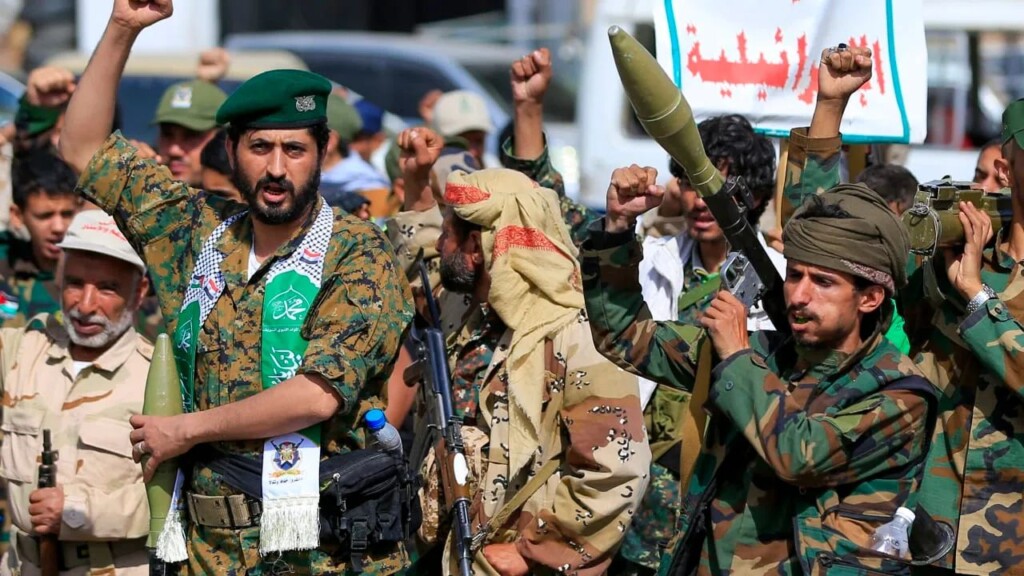
For Saudi Arabia, China’s involvement could provide another diplomatic channel as Riyadh faces growing security risks around its southern border and important oil infrastructure.
However, there is no indication that Iran has agreed to pressure the Houthis or that the group has changed its position.
The outcome may depend on whether China can persuade Tehran that continued disruption of the Red Sea and other maritime routes could damage Iran’s own strategic and economic interests.
As tensions continue across the region, Beijing faces the challenge of protecting its energy supplies and commercial interests while managing its increasingly important relationship with Iran.


