The eye of Catastrophic Hurricane Melissa, dubbed the “storm of the century” by the WMO, has passed Jamaica and is barreling toward Cuba, placing Trinidad and Tobago on high alert.
Meteorologists report that Hurricane Melissa’s sustained winds reached 185 mph, toppling trees and destroying homes in Jamaica, signaling potential devastation for Trinidad and Tobago and other nearby islands.
The US National Hurricane Center warned that Hurricane Melissa remains extremely dangerous, with life-threatening conditions likely to extend to Trinidad and Tobago, Cuba, and the southeastern Bahamas in the next 48 hours.
Authorities in Trinidad and Tobago have activated emergency protocols, coordinating with the Caribbean Disaster Emergency Management Agency (CDEMA) to protect coastal communities from flooding, storm surges, and winds associated with Hurricane Melissa.

Rainfall predictions indicate that Hurricane Melissa could bring up to 500mm of rain in some areas, threatening infrastructure and homes in low-lying areas across Trinidad and Tobago.
Desmond McKenzie, Jamaican government minister, emphasized the challenges of preparing for such a storm, highlighting lessons for neighboring islands, including Trinidad and Tobago, as Hurricane Melissa approaches.
Leiska Powell from the Red Cross confirmed that Jamaica suffered significant damage, warning that the Hurricane could produce similar destruction in Trinidad and Tobago, necessitating preemptive emergency measures.
Emergency services in Trinidad and Tobago are on high alert, ensuring hospitals, shelters, and evacuation centers are operational as Catastrophic Hurricane Melissa threatens life and property along coastal regions.
The International Federation of Red Cross and Red Crescent Societies (IFRC) reported that over 1.5 million people in the Caribbean, including residents of Trinidad and Tobago, are at risk from Hurricane Melissa’s destructive path.
Journalists documented widespread power outages and blocked roads in Jamaica, prompting authorities in Trinidad and Tobago to implement preventive measures against Catastrophic Hurricane Melissa’s impact.
Trinidad and Tobago’s government advised citizens to secure homes, stock emergency supplies, and avoid low-lying areas as Catastrophic Hurricane Melissa’s outer bands begin affecting the northern islands.
Tourist regions in Trinidad and Tobago are being monitored closely, with hotels offering emergency accommodations and authorities urging visitors to follow evacuation instructions in response to Catastrophic Hurricane Melissa.
UN humanitarian spokesperson Jens Laerke emphasized that saving lives is the top priority, stressing that Trinidad and Tobago must ensure access to water, food, and medical support during Catastrophic Hurricane Melissa.
Health authorities warned of potential water contamination and disease outbreaks in Trinidad and Tobago, noting that Catastrophic Hurricane Melissa’s heavy rains and flooding could exacerbate public health risks.
Meteorologists caution that slow-moving hurricanes like Catastrophic Hurricane Melissa are particularly destructive, as prolonged rainfall and wind intensification could devastate Trinidad and Tobago.
Preparations in Cuba and the Bahamas demonstrate the importance of early evacuations, serving as models for Trinidad and Tobago in facing Catastrophic Hurricane Melissa.
Deputy Prime Minister Eduardo Martínez of Cuba called Hurricane Melissa “unprecedented,” urging vigilance, which underscores the need for Trinidad and Tobago to brace for potentially life-threatening hazards.
Authorities in Trinidad and Tobago are coordinating with regional partners, including Jamaica and Cuba, to share real-time weather data, ensuring Catastrophic Hurricane Melissa’s impact is managed effectively.
Forecasters predict that Hurricane Melissa will move toward the southeastern Bahamas after Cuba, but its influence remains dangerous for Trinidad and Tobago, especially along northern and coastal regions.
Slow-moving hurricanes such as Catastrophic Hurricane Melissa are historically among the deadliest, causing flooding, landslides, and prolonged power outages across Trinidad and Tobago and the wider Caribbean.
Residents of Trinidad and Tobago are urged to stay indoors, avoid travel, and follow official guidance to minimize casualties and property damage during Catastrophic Hurricane Melissa.
Hurricane warnings for Trinidad and Tobago include storm surge alerts, high wind advisories, and rainfall estimates that may exceed seasonal norms due to Catastrophic Hurricane Melissa.
Forecasters stress that Trinidad and Tobago must prepare for extended disruptions to electricity, water, and communications as Catastrophic Hurricane Melissa continues through the Caribbean.
International aid agencies are mobilizing resources for Trinidad and Tobago, drawing lessons from Jamaica and Cuba to respond effectively to Catastrophic Hurricane Melissa.
With Catastrophic Hurricane Melissa potentially ranking among the strongest storms of the decade, Trinidad and Tobago faces a critical test of resilience, disaster preparedness, and emergency coordination.
Additional warnings highlight the possibility of coastal erosion and landslides in Trinidad and Tobago, emphasizing the urgency of proactive safety measures against Catastrophic Hurricane Melissa.
Local authorities in Trinidad and Tobago are ensuring that emergency response teams are fully equipped with boats, generators, and first aid supplies to handle the effects of Hurricane Melissa.
Communities in northern Trinidad and Tobago are being advised to evacuate temporarily from low-lying areas as Catastrophic Hurricane Melissa approaches, with buses and shelters prepared to receive residents safely.
Power companies in Trinidad and Tobago are taking precautions to prevent outages and ensure quick restoration after the hurricane causes potential infrastructure damage.
Fishermen and small boat owners in Trinidad and Tobago have been warned to secure vessels or move them inland as Melissa is expected to generate dangerous waves and storm surges.
Meteorologists warn that Hurricane Melissa’s path could intensify rainfall for multiple days, testing the drainage and flood control systems in Trinidad and Tobago and Cuba.
Local news stations in Trinidad and Tobago are providing continuous updates on the Hurricane, guiding residents on evacuation routes, emergency contacts, and storm shelters.
The Caribbean Development Bank and other regional organizations are coordinating emergency funding and logistical support for Trinidad and Tobago to mitigate damage from Catastrophic Hurricane Melissa.
Schools and universities in Trinidad and Tobago have been temporarily closed, and students are encouraged to remain at home until Catastrophic Hurricane Melissa passes safely.
International meteorological agencies are tracking the hurricane, sharing real-time updates with Trinidad and Tobago, Cuba, and other affected Caribbean islands to inform disaster planning.
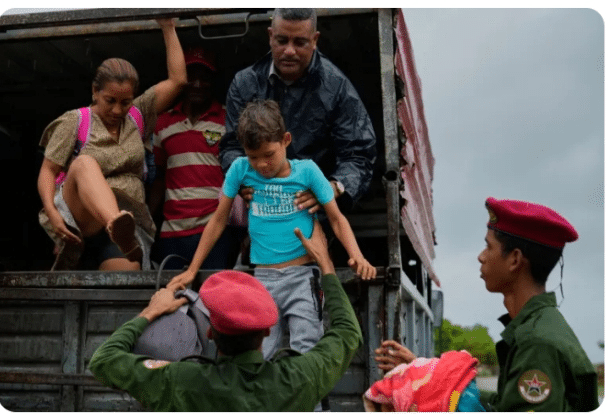
Authorities stress that Trinidad and Tobago’s residents should remain calm but vigilant, following all government advisories as Hurricane Melissa continues its slow, destructive march across the Caribbean.
With Hurricane Melissa already causing deaths and destruction in Jamaica, the stakes for Trinidad and Tobago and Cuba are high, with every precaution critical to saving lives and property.
About The Author