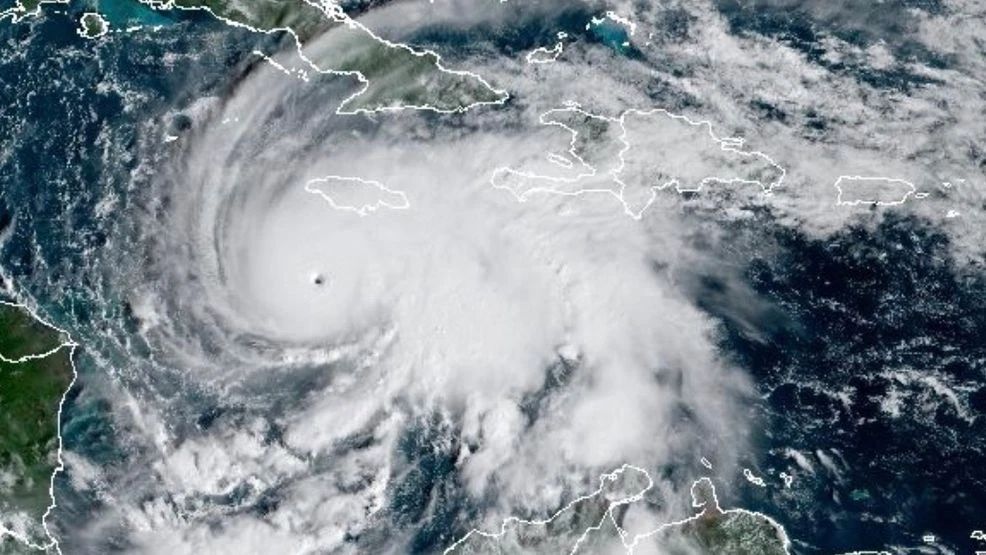
Hurricane Melissa hits Jamaica as a Category 5 storm, destroying homes, flooding communities, and marking one of the worst hurricanes in Caribbean history.
Hurricane Melissa has wreaked catastrophic havoc on Jamaica, making landfall on Tuesday as a Category 5 hurricane, according to the U.S. National Hurricane Center (NHC). The storm, one of the most powerful ever recorded in the Atlantic basin, tore through the island with winds exceeding 160 miles per hour (257 km/h), leaving entire communities submerged, homes destroyed, and millions without power.
The NHC described Hurricane Melissa as a “life-threatening and historic event,” with meteorologists noting that few storms in modern history have reached such intensity before striking land. For Jamaica, the devastation is being compared to some of the worst natural disasters in the nation’s history, and the recovery process is expected to take months — if not years.
A Historic landfall in the Caribbean
The storm’s center made landfall along Jamaica’s southern coast, near the parishes of Clarendon, Manchester, and St. Elizabeth, bringing with it torrential rains and a storm surge that inundated coastal communities. The Jamaican Meteorological Service reported that the island experienced widespread flooding, especially in low-lying areas, while winds ripped roofs off buildings, uprooted trees, and snapped power lines across the country.
According to the National Hurricane Center, Hurricane Melissa’s core pressure dropped to 911 millibars before landfall — a reading associated only with the most extreme hurricanes. This places the storm among the top tier of Category 5 hurricanes in Atlantic history, alongside devastating names like Dorian (2019) and Maria (2017).
“Hurricane Melissa is one of the strongest systems ever to make landfall in Jamaica,” the NHC said in its advisory. “This storm poses a catastrophic threat to life and property.”
Communities in crisis
Across Jamaica, thousands of residents were displaced overnight as floodwaters engulfed towns and villages. In Kingston, Jamaica’s capital, power outages spread rapidly as electrical grids failed under the strain of hurricane-force winds. Emergency shelters quickly filled with evacuees, while government authorities urged citizens to remain indoors and avoid flooded streets.
Eyewitness reports describe scenes of chaos: vehicles swept away by raging waters, telephone poles scattered like matchsticks, and entire neighborhoods cut off from emergency services. “It was like the world was ending,” said one resident from St. Catherine. “The sound of the wind alone was terrifying.”
Humanitarian organizations, including the Red Cross and Caribbean Disaster Emergency Management Agency (CDEMA), have mobilized teams to assess the damage and provide urgent relief. The Jamaican government has declared a state of emergency, warning that recovery operations will take time as rescue crews battle blocked roads, downed trees, and flooded highways.
Rapid intensification and climate concerns
Meteorologists say Hurricane Melissa underwent rapid intensification in the Caribbean Sea just hours before hitting Jamaica — a phenomenon where wind speeds increase dramatically in a short time. The storm strengthened from a Category 3 to Category 5 within 12 hours, fueled by unusually warm ocean waters, a key factor linked to climate change.
Experts warn that this kind of intensification is becoming more frequent as global temperatures rise. “Melissa’s explosive growth mirrors what we’ve seen with recent storms,” said Dr. Andrew Collins, a climate scientist at the University of Miami. “Warmer seas are providing the perfect energy source for hurricanes to strengthen faster and hit harder.”
Climate researchers have pointed out that Hurricane Melissa should serve as a wake-up call for Caribbean nations to invest in stronger infrastructure, early warning systems, and climate adaptation measures. The increasing frequency of extreme storms underscores the urgency of preparing for a future where Category 4 and 5 hurricanes could become the new normal.
International response and relief efforts
The global community has begun responding to Jamaica’s crisis. The United Nations, United States Agency for International Development (USAID), and several Caribbean neighbors have pledged aid, including food, medical supplies, and emergency personnel. The Cayman Islands and Bahamas have also been placed on high alert, as the NHC forecasts that Hurricane Melissa could continue its destructive path northwest toward their territories.
Jamaican Prime Minister Andrew Holness addressed the nation, urging unity and resilience:
> “This is one of the darkest days in our nation’s history. But we will rebuild, we will recover, and we will stand strong together.”
He also called on international partners to assist with rebuilding infrastructure, restoring power, and supporting families who lost their homes.
Meanwhile, Jamaica’s emergency services are working around the clock to clear debris, restore essential services, and reach stranded residents. Local hospitals have reported a surge in injuries caused by debris and flooding, though the full death toll remains uncertain as communication with several areas has been lost.
A global reminder of growing storm intensity
For many experts, Hurricane Melissa serves as another chilling example of how climate change is reshaping weather patterns worldwide. The combination of warmer ocean temperatures and changing wind dynamics is creating ideal conditions for more frequent and more powerful tropical cyclones.
“The pattern is clear,” said Dr. Collins. “We’re entering an era of stronger hurricanes, and unless global action is taken, disasters like Melissa will continue to increase in both frequency and severity.”
As Jamaica begins to count the cost of Hurricane Melissa, the storm will undoubtedly be remembered as one of the most destructive natural disasters in the country’s history. The images of flattened homes, flooded towns, and grieving families are stark reminders of nature’s power — and humanity’s growing vulnerability in a warming world.
Hurricane Melissa has left a mark not only on Jamaica but also on the collective consciousness of the Caribbean, serving as both a tragedy and a warning. As recovery efforts begin, the island’s resilience will be tested once again, but the lessons from this storm may help shape a safer and more prepared future for the entire region.
Read more news at: ireport247news.com
About the Author