A tragic canoe accident at the Borno border left three Chadian nationals dead, prompting an intense rescue operation and renewed scrutiny of waterway safety measures.
Authorities and residents along the Gamboru–Fotokol border axis are grappling with shock and grief after a devastating canoe accident on the river that separates Borno State in Nigeria from the Cameroonian town of Fotokol.
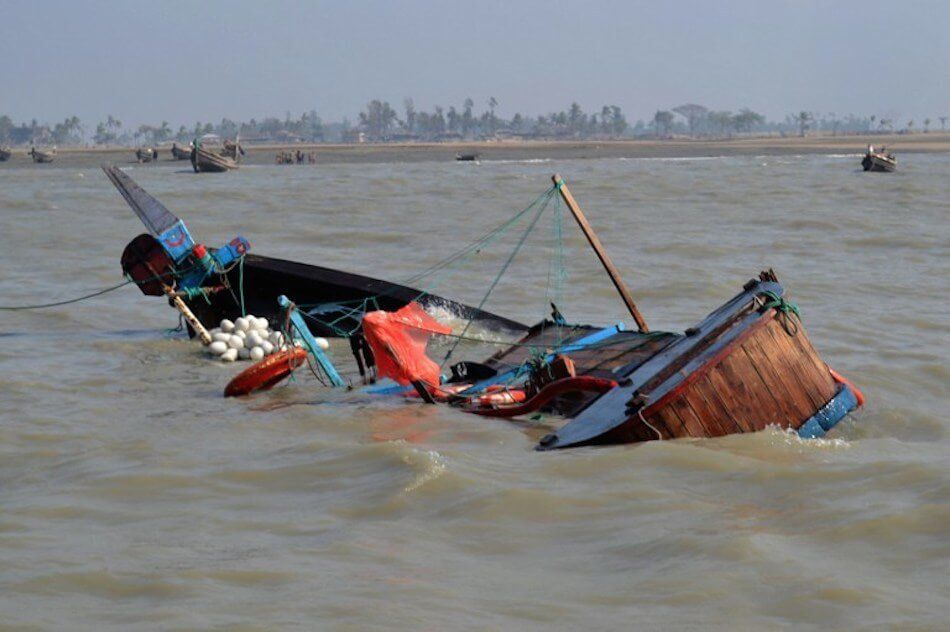
The accident, which unfolded on Sunday evening, December 7, 2025, has once again highlighted the risks associated with unregulated water transport along the busy transnational route used daily by traders, travelers, and cross-border commuters.
The tragedy occurred at approximately 6:30 p.m., at a time when visibility was already beginning to fade and the river current was reportedly strong.
According to security operatives familiar with the incident, the canoe involved in the disaster was operated by one Mamman Nur Abbagana, a well-known paddler from the Kasuwan Katako area in Gamboru, Borno State.
The small canoe was carrying eight passengers, all of whom were Chadian nationals embarking on the final leg of a long journey from Jos in Plateau State, heading toward their home country’s capital, N’Djamena.
Witnesses recounted that the canoe had travelled almost halfway across the river when it suddenly lost balance and capsized without warning.
The exact cause of the instability is still under investigation, but early indications suggest that the combination of heavy passenger load, swift water currents, and the paddler’s failure to adhere to safety regulations might have contributed to the accident.
In a matter of seconds, all eight passengers were flung into the river, sparking panic and desperate cries for help.
Five of the travellers were rescued alive by local divers and residents who rushed toward the scene upon hearing the commotion.
These survivors were pulled out in varying states of shock and exhaustion. At press time, security sources disclosed that the identities of the rescued passengers had yet to be formally confirmed.
They were, however, receiving medical attention and undergoing debriefing by authorities.
Tragically, three other passengers did not survive the mishap. They were later identified as members of the same family: 34-year-old Alphosine Makebu Beboroum, and her two young daughters — three-year-old Centich Mamajibe and 10-month-old Mamajilem Bebaroum.
The family had reportedly spent several days travelling from Jos and were eager to reach N’Djamena before the start of the new week.
Their loss has deepened the grief felt in their home community and among the Chadian diaspora moving through Nigerian border towns.
As of Monday morning, the bodies of the victims had still not been recovered.
Search teams comprising local divers, civilian volunteers, military personnel, and cross-border security operatives continued combing the river.
The rescue operation has been described as difficult due to the river’s depth, fast-moving currents, and reduced visibility. However, authorities expressed optimism that with continued effort, all missing persons would eventually be found.
Beyond the immediate tragedy, the incident has raised renewed concerns about compliance with safety regulations across waterways in Borno.
A statement by the Police Command revealed that the canoe paddler had been arrested.
According to the police, he violated a state directive requiring all operators of canoes and boats to provide life jackets for passengers before setting out on any trip.
The directive, which was introduced to curb avoidable river fatalities, has been in effect for some time but is reportedly ignored by many local paddlers along rural and border stretches.
The police emphasized that the preliminary investigation is ongoing, and more facts will be uncovered regarding what exactly led to the overturning of the vessel.
They reiterated that the state government would intensify enforcement measures along the waterways, particularly in Borno’s cross-border corridors where daily movement of people is high but government oversight has historically been limited.
Residents around Gamboru Ngala say that despite repeated directives and community sensitization, many water transport operators still rely on outdated or poorly maintained canoes, often made of wood and vulnerable to defects.
The lack of life jackets, overcrowding, and paddlers’ tendency to rush trips to increase revenue are recurrent problems.
Community elders and local stakeholders argue that the government must engage with paddlers’ unions, traditional authorities, and cross-border partners to enforce meaningful reforms.
The Gamboru–Fotokol river route has long served as a vital economic and social link for communities in Nigeria, Cameroon, and Chad.
Traders transport groceries, fabrics, electronics, livestock, and other goods across the border daily. Families often traverse the route for social visits, cultural events, and medical needs.
For many of these travellers, the canoe remains the most accessible means of passage. Unfortunately, the same waterway has been the site of recurring accidents, especially during periods of increased water volume or reduced monitoring.
The latest tragedy has therefore revived conversations about the need for modern boats equipped with proper safety gear, trained operators, and regulated passenger capacities.
About The Author