

Australian veterans disgusted by Trump’s claim have spoken out angrily after the US president suggested allied troops avoided frontline combat during the Afghanistan war, remarks widely condemned as inaccurate and insulting.
Senior figures from Australia’s veteran community say the comments dismiss decades of sacrifice made by Australian service personnel who fought and died alongside United States forces during the long Afghanistan campaign.
Donald Trump made the remarks during a televised interview in which he questioned the reliability of Nato allies, arguing that while partners claimed to have supported the US, many stayed away from direct combat.
The president said allied forces “stayed a little back, a little off the frontlines” while the United States carried the main burden of fighting, comments that immediately triggered outrage among allied nations.

Australia was among the countries most directly affected by the remarks, having committed troops continuously to Afghanistan from 2001 until 2021 in its longest military deployment.
Nearly 40,000 Australian personnel served in Afghanistan across two decades, with 47 killed and hundreds more wounded during combat and support operations throughout the conflict.
Veteran leaders argue Trump’s claims distort well-documented military history and undermine the lived experiences of soldiers who operated in some of the most dangerous regions of the country.
The national president of Australia’s largest veterans’ organisation described the remarks as “unfathomable” and said they represented a cowardly attack on those unable to defend themselves publicly.
He said families who lost loved ones in Afghanistan would feel deeply hurt by suggestions that Australian troops avoided frontline duties or failed to share the risks of war.
Australian special forces, infantry units, pilots, engineers, medics and naval personnel were all deployed in frontline and high-risk roles, often embedded directly with US units.
Veterans say Australian forces led missions, cleared hostile territory, trained Afghan troops and participated in combat operations under Nato command throughout the war.
The Afghanistan campaign marked the only time Nato formally invoked its collective defence clause, following the September 11 attacks on the United States.
Australian troops were among the first international forces to respond, deploying within weeks and maintaining a continuous presence for nearly twenty years.
Former senior officers have stressed that Australian units frequently operated under US command, including alongside American generals who later served in Trump’s own administration.
Read also: Minnesota protests against ICE: Residents stage economic blackout to demand action
Veterans argue that the remarks disregard this shared history and contradict official military records from both countries documenting joint operations.
Political leaders in allied nations also reacted strongly, with criticism emerging in the United Kingdom and Europe over similar implications about their forces’ conduct.
Australia’s government reaffirmed that Australian Defence Force personnel made a significant contribution in Afghanistan and that their bravery and sacrifice remain honoured.
Officials avoided directly criticising Trump but emphasised that allied cooperation had been central to military efforts and regional stability.
Strategic analysts warn that such comments risk damaging trust between allies at a time of heightened global instability and increasing security challenges.
Australia’s defence relationship with the United States remains anchored in long-standing alliances, including the Aukus security pact and broader Indo-Pacific cooperation.
Experts say public disparagement of allied troops could complicate diplomatic efforts and undermine confidence among service members and their families.
Former naval officers and defence scholars described the remarks as deeply disrespectful and inconsistent with the professionalism historically shown by the US military.
They noted that recent US defence strategy documents continue to highlight the importance of allies, with Australia positioned as a key regional partner.
Veteran organisations also expressed concern about the emotional impact of the comments on former service members struggling with trauma or loss.
Support services encouraged veterans affected by the news to seek counselling and reminded them that their service remains valued and recognised.
Leaders within the veteran community said reassurance was essential, particularly for families who endured repeated deployments and long separations during the war years.
Calls for an apology have grown louder, with veteran representatives describing acknowledgment of allied sacrifice as the minimum required response.
They argue that respect between allies must extend beyond treaties and strategy documents to public recognition of shared hardship and loss.
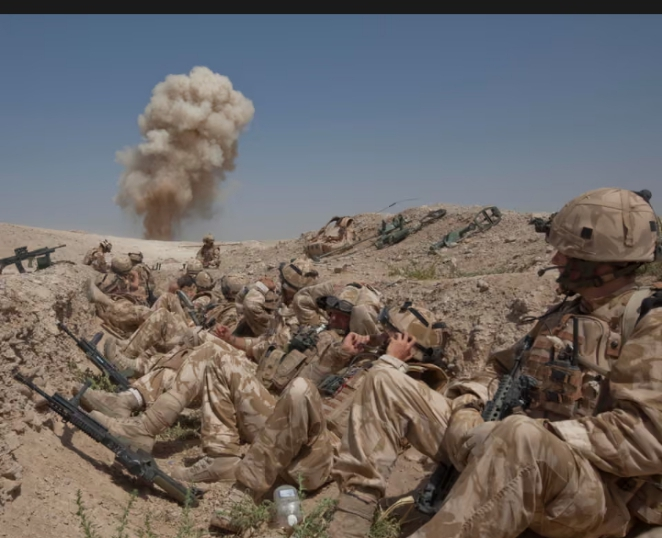
Australian veterans disgusted by Trump’s claim say the comments reopen wounds from a conflict that already left lasting scars across generations of service families.


