Australia restricts Iranian tourist visas after the government imposed a six-month entry ban affecting thousands of Iranian nationals holding valid tourist visas amid rising global tensions.
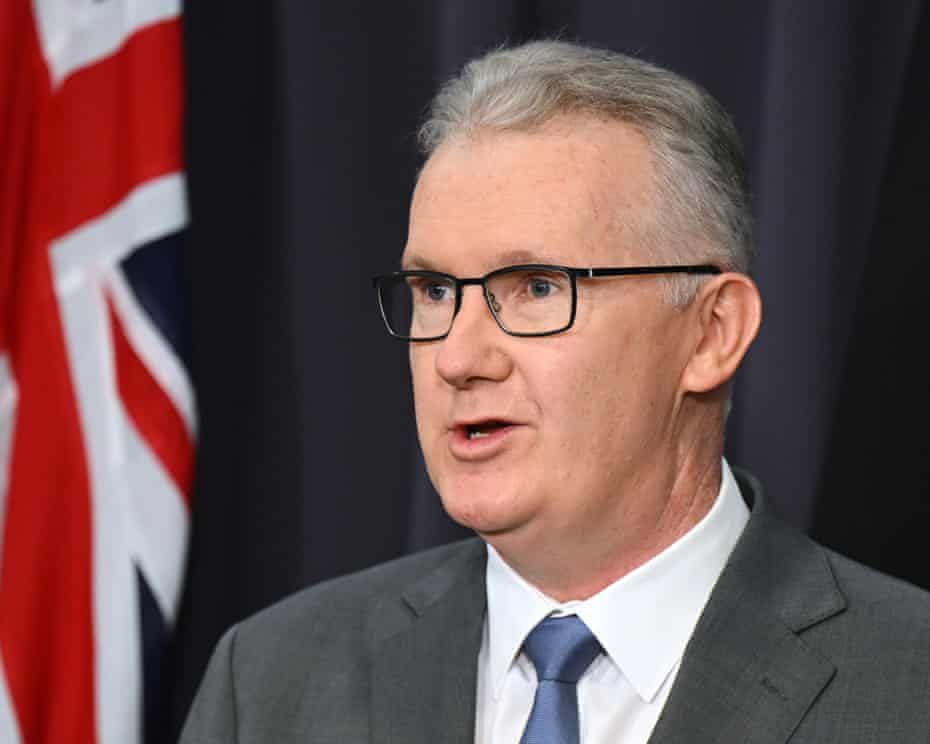
The decision was announced by Australia’s home affairs minister Tony Burke, who said the measure was taken in the national interest as conditions continue to change due to the situation involving Iran.
The restriction applies to subclass 600 tourist visa holders and could impact up to 7,200 individuals currently outside Australia.
Officials explained that many of these visas were issued before the escalation of conflict and may not have been granted under present conditions.
The government stated that the policy is intended to ensure migration decisions remain controlled, deliberate, and aligned with current global realities.
However, the move has drawn criticism from humanitarian groups and community advocates who say it creates uncertainty for people who followed legal travel processes.
The Asylum Seeker Resource Centre described the decision as a “massive betrayal,” arguing that it leaves vulnerable individuals without safe options during a time of crisis.
Critics say the policy undermines confidence in the visa system, especially for individuals who planned travel in good faith and complied with all requirements.
Zali Steggall warned that broad ministerial powers used in this decision could have long-term consequences for Australia’s migration framework.
She added that many affected individuals are now left in limbo despite having valid visas and following proper procedures.
David Shoebridge also criticised the government, arguing that the decision raises questions about consistency in its approach to humanitarian issues.
He said restricting entry during times of instability may conflict with claims of supporting people affected by crises.
The government maintains that the measure is necessary to keep the immigration system fair, orderly, and responsive to global developments.
Limited exceptions may apply, particularly for family members of Australian citizens, under compassionate grounds.
Those needing to travel can apply for special permission, although approval depends on individual circumstances.
Authorities noted that more than 40,000 temporary visa holders are currently located across regions impacted by the conflict, though the restriction only targets tourist visas.
The decision reflects a broader trend of countries tightening immigration controls in response to geopolitical instability.
It also follows earlier cases involving asylum applications for members of Iran’s women’s football team, highlighting the complex nature of migration decisions during conflict.
Read also:Iran mocks US attempts at ceasefire amid escalating tensions
The six-month restriction is expected to remain under review as conditions evolve, with Australian authorities indicating that immigration settings may be adjusted if global tensions ease or worsen. Officials emphasise that the policy is temporary, but its impact could extend beyond the immediate period depending on how the situation develops.
For many affected individuals, the uncertainty highlights the broader challenges of navigating international travel during periods of conflict.
The decision underscores how quickly immigration policies can change in response to geopolitical events, leaving travellers, families, and communities adapting to shifting rules and limited certainty about future movement.
About The Author