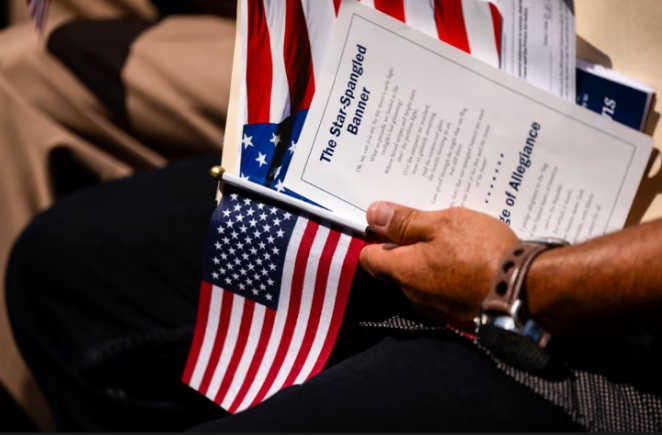
Nigeria’s military capability – Heightened tensions have emerged after United States President Donald Trump made controversial remarks regarding Christian massacres in Nigeria, sparking concerns about potential foreign military involvement.
Some observers have questioned whether Nigeria military capabilit is sufficient to deter or respond to any intervention, highlighting fears about the nation’s ability to protect its sovereignty.
These concerns underscore broader anxieties about Nigeria’s defense strengths and weaknesses, particularly in the face of advanced global powers and unpredictable geopolitical threats.
Introduction
Nigeria’s military capability is widely regarded as one of Africa’s strongest, yet the country’s armed forces face serious limitations in technology, modernization, and global influence.
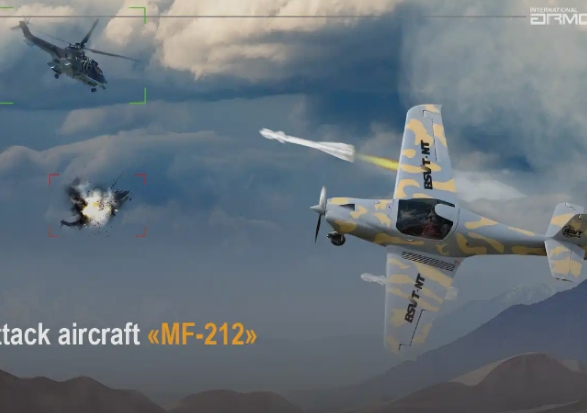
Despite having the largest population in Africa, Nigeria’s armed forces remain largely reactive, focusing on internal threats rather than strategic global defense or technological advancement, highlighting persistent structural weaknesses.
Military Size and Organizational Structure
Nigeria’s active military personnel number approximately 200,000 to 250,000 across the Army, Navy, and Air Force, making it the largest in West Africa.
The Nigerian Army forms the largest component, primarily engaged in counter-insurgency operations, while the Navy protects oil-rich coastlines, and the Air Force provides limited air support capabilities.
Defense Budget and Spending Priorities
Nigeria’s defense budget is approximately $3–4 billion annually, positioning it among Africa’s better-funded militaries but far behind Egypt and Algeria in absolute and per capita expenditure.
Budgetary constraints limit the Nigerian armed forces’ modernization, restricting acquisition of advanced aircraft, naval vessels, armored vehicles, and missile systems needed for conventional global warfare.
Operational Focus: Counter-Insurgency Expertise
Nigeria counter-insurgency operations against Boko Haram and ISWAP highlight the Nigerian military’s operational experience, creating a cadre of battle-hardened personnel specialized in irregular warfare.

The Nigerian armed forces’ success in domestic operations reinforces their regional influence, particularly in West Africa, where they lead ECOWAS security initiatives and joint military interventions.
Technological Capabilities and Limitations
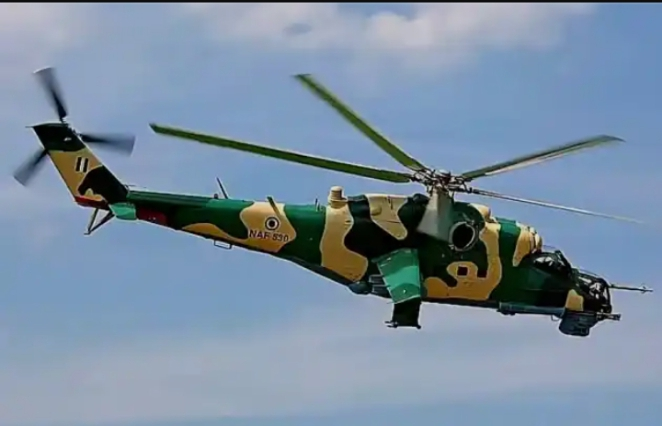
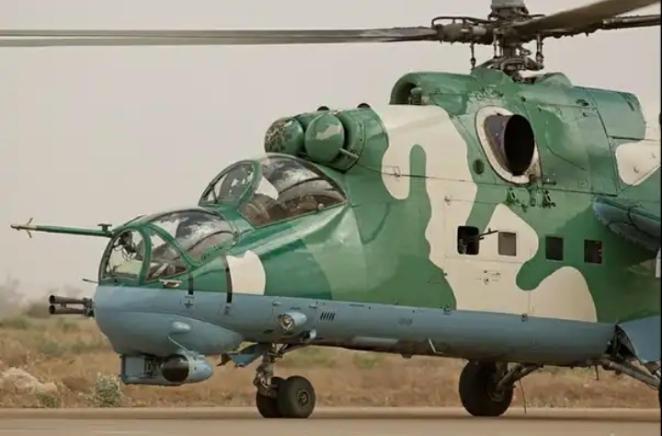
Nigeria’s military technology remains outdated, relying heavily on imported tanks, helicopters, fighter jets, and patrol vessels, often second-hand and poorly maintained over extended operational periods.
Compared to South Africa, Nigeria’s defense technology is inferior, lacking advanced multirole aircraft, drones, long-range missiles, or domestic defense production capacity, which limits strategic autonomy.
Navy: Regional Coastal Strengths
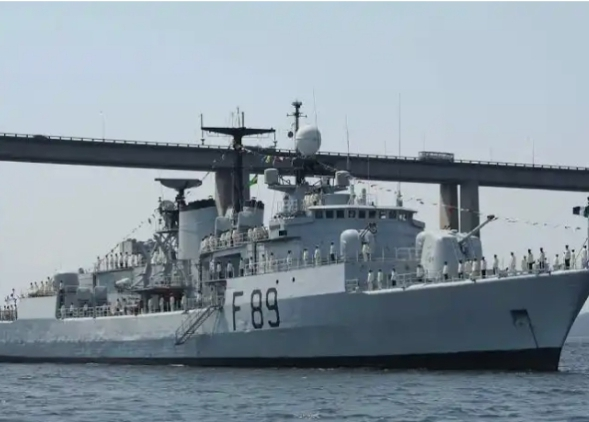
Nigeria’s Navy primarily secures the Gulf of Guinea, protecting oil installations and combating piracy, but it lacks modern frigates, aircraft carriers, and submarines for global maritime projection.
While capable in regional patrols and limited engagements, the Nigerian Navy cannot compete with technologically superior global fleets or project force beyond West African waters.
Air Force: Aging and Limited
The Nigerian Air Force operates mostly older fighter jets and transport aircraft, insufficient for modern air superiority or strategic strike missions against major powers.
Air defense weaknesses highlight Nigeria’s vulnerability in a high-intensity conflict, where advanced drones, electronic warfare, and precision-guided munitions would dominate Nigerian airspace.
Army: Strength in Numbers
The Nigerian Army’s strength lies in personnel numbers and counter-insurgency expertise, excelling in jungle, urban, and asymmetric warfare scenarios.
However, the Army’s equipment is mostly older armored vehicles and artillery, with limited mechanized and high-precision systems, restricting conventional battlefield performance against modern militaries.
Comparison: Nigeria vs South Africa Military
Nigeria possesses larger manpower, with over 200,000 troops, while South Africa maintains approximately 70,000 highly trained personnel with modern equipment.
South Africa’s military emphasizes technology and readiness, fielding advanced jets, submarines, and missiles, whereas Nigeria’s advantage is operational experience and numerical superiority in counter-insurgency.
Regional Influence and Peacekeeping
Nigerian armed forces maintain strong influence in West Africa, often leading ECOWAS peacekeeping initiatives and contributing significantly to African Union missions.
This regional presence reinforces Nigeria defense strength, enhancing diplomatic leverage and ensuring a dominant role in addressing security crises in neighboring countries.
Budget vs. Capability Trade-Offs
Nigeria’s limited defense budget forces trade-offs, prioritizing internal security operations over long-term modernization, reducing ability to acquire advanced military technology or develop domestic defense industries.
This budgetary limitation constrains the Nigerian armed forces’ capability to respond effectively to high-intensity conventional conflicts against technologically superior adversaries.
Vulnerabilities Against Major Powers
Nigeria military capability is insufficient against major global powers such as the U.S., Russia, or China, which maintain nuclear weapons, advanced fighter jets, and long-range strike capabilities.
Without strategic weapons, cyber warfare infrastructure, or space surveillance, Nigeria remains highly vulnerable, with internal security strengths unable to offset external technological disadvantages.
Strategic Limitations
Nigeria lacks nuclear deterrence, advanced missile systems, and independent defense production, reducing strategic autonomy and limiting its capacity to influence global military decisions.
Despite regional strength, these limitations expose Nigeria to potential coercion or military pressure from advanced global powers with superior conventional and nuclear capabilities.
Domestic Challenges Impacting Military Capability
Corruption, inconsistent military reforms, and political interference weaken Nigeria’s armed forces, affecting procurement, maintenance, training, and operational readiness.
Internal challenges reduce effectiveness despite large manpower, with poorly maintained equipment, logistical gaps, and low morale occasionally undermining Nigeria counter-insurgency operations.
Human Capital and Training
Nigeria invests in training, producing skilled troops capable of counter-insurgency and peacekeeping missions, benefiting from real-world operational experience.
However, conventional warfare training, cyber defense proficiency, and advanced technological expertise remain underdeveloped, leaving significant gaps in the Nigerian armed forces’ preparedness.
Regional vs Global Role
Nigeria exercises significant regional influence, shaping West African security policy, leading joint interventions, and maintaining peacekeeping contributions.
Globally, Nigeria lacks power projection capability, advanced technology, and nuclear deterrence, limiting its military relevance beyond Africa despite demographic and economic advantages.
Lessons from Comparisons
Comparing Nigeria vs South Africa military illustrates trade-offs: Nigeria relies on manpower and experience, while South Africa emphasizes technology, advanced equipment, and conventional warfare readiness.
Nigeria’s approach suits regional and internal security needs but exposes critical weaknesses in high-intensity or technologically advanced conflicts.
Hardline Realities
Nigeria’s military is strong regionally but remains vulnerable globally, with technological inferiority, limited budgets, and lack of strategic weapons constraining defense capabilities.
Operational successes against insurgents and domestic threats do not translate into conventional or strategic deterrence against major powers, highlighting a hardline truth about military limitations.
Modernization Imperatives
To strengthen Nigeria military capability, investments in advanced aircraft, naval vessels, missile systems, and cyber defense are essential.
Developing domestic defense industries and improving logistics, training, and maintenance would reduce reliance on foreign suppliers and enhance strategic autonomy.
Nigeria military capability is defined by operational experience, manpower, and regional influence, yet constrained by technology, budgets, and strategic limitations.
Hard truths remain: Nigeria dominates West Africa in size and experience, but cannot project global power or withstand high-tech adversaries, underscoring urgent modernization needs.
Read also: Which is nuclear powerful: Russia or the UK?
About The Author