World’s largest nuclear power plant restart in Japan moved closer after Niigata lawmakers approved Kashiwazaki-Kariwa’s reopening, reviving nuclear energy debates fifteen years after Fukushima.
The decision followed a confidence vote backing Governor Hideyo Hanazumi, whose support removed the final political hurdle to restarting operations at the massive coastal facility.
Kashiwazaki-Kariwa, located in Niigata Prefecture, is the world’s largest nuclear power plant by output capacity, with seven reactors capable of generating electricity for millions.
Its reopening marks a symbolic shift in Japan’s energy policy, which dramatically changed after the 2011 Fukushima nuclear disaster shut down most reactors nationwide.
Japan halted 54 nuclear reactors following Fukushima, as public trust collapsed amid safety fears, evacuations, and long-term environmental and psychological consequences for affected communities.
In recent years, rising energy costs and climate commitments have pushed Tokyo to reconsider nuclear power as part of its future energy mix.
The Kashiwazaki-Kariwa approval allows Tokyo Electric Power Company, known as TEPCO, to begin preparations for partial operations pending final safety clearances.
TEPCO plans to restart one reactor initially, with Japanese media reporting a possible January start date if inspections and regulatory checks proceed smoothly.
Officials estimate that restarting just one reactor could increase electricity supply to the Tokyo metropolitan region by approximately two percent during peak demand.
Japan’s Ministry of Economy, Trade and Industry argues the restart will ease pressure on the grid and reduce reliance on imported fossil fuels.
Last year alone, Japan spent over 10 trillion yen importing liquefied natural gas and coal, costs that have strained public finances and household budgets.
Prime Minister Sanae Takaichi has publicly backed nuclear restarts, framing them as essential for energy security, emissions reduction, and industrial competitiveness.
Her administration contends nuclear energy provides stable, low-carbon baseload power while renewable energy capacity continues expanding unevenly across the country.
However, the restart has reignited deep public opposition, particularly among Fukushima disaster survivors and antinuclear campaigners.
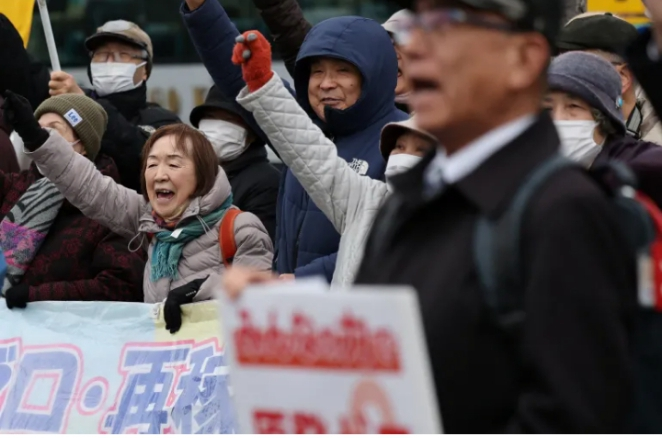
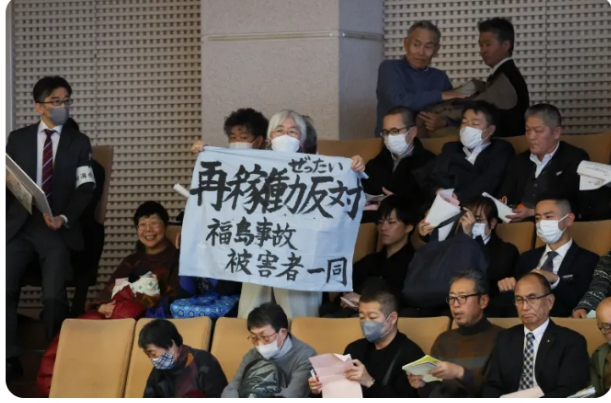
Outside the Niigata prefectural assembly, hundreds of protesters gathered, holding banners reading “No Nukes” and “We oppose the restart of Kashiwazaki-Kariwa.”
Many demonstrators fear Japan is moving too quickly to forget the lessons of Fukushima, prioritising economics over long-term safety.
Ayako Oga, a farmer and antinuclear activist, joined the protest, recalling her forced evacuation from Fukushima’s exclusion zone in 2011.
Read also:US pursues third oil tanker off the coast of Venezuela amid sanctions pressure
She said survivors still live with trauma and uncertainty, warning that no amount of technological upgrades can eliminate nuclear accident risks.
Oga and other evacuees argue that communities bear the consequences while corporations and policymakers escape lasting accountability.
Supporters of the restart counter that Kashiwazaki-Kariwa offers economic benefits, including jobs, regional investment, and potentially lower electricity prices.
Local officials say Niigata faces population decline and economic stagnation, making energy infrastructure projects increasingly attractive despite controversy.
Energy analysts note nuclear power could stabilise electricity prices, which have surged amid volatile global fuel markets and currency fluctuations.
Manufacturers reliant on steady power supplies have lobbied for restarts, citing risks to production, exports, and employment if shortages persist.
Kashiwazaki-Kariwa’s return is particularly sensitive because TEPCO also operated Fukushima Daiichi, the site of the 2011 disaster.
Although Japan’s nuclear regulatory framework has been overhauled since then, distrust toward TEPCO remains strong among affected communities.
The Nuclear Regulation Authority introduced stricter seismic standards, enhanced emergency systems, and independent oversight following Fukushima.
Regulators insist Kashiwazaki-Kariwa now meets the world’s toughest safety requirements, including tsunami defences and backup power systems.
Critics argue Japan’s earthquake-prone geography means catastrophic risks can never be fully eliminated, regardless of safeguards or preparedness drills.
Environmental groups remain divided, balancing nuclear power’s low carbon emissions against unresolved waste storage and accident liability concerns.
Japan still lacks a permanent disposal site for spent nuclear fuel, relying on temporary storage that raises long-term environmental questions.
Fourteen reactors have already been restarted nationwide, but Kashiwazaki-Kariwa’s size makes it a defining test case.
Regional governors across Japan are closely watching Niigata, weighing political risks against energy demands within their own prefectures.
Internationally, Japan’s move mirrors a global reassessment of nuclear energy amid climate change and geopolitical instability.
Several European nations have extended reactor lifespans, while others invest in next-generation nuclear technologies alongside renewables.
Tokyo insists nuclear power will complement, not replace, renewable energy expansion, as Japan pursues carbon neutrality targets.
Public opinion polls suggest cautious acceptance of limited restarts, especially during winter and summer demand peaks.
Yet opposition remains vocal, ensuring nuclear policy continues shaping electoral debates and local governance decisions.
The Kashiwazaki-Kariwa restart underscores Japan’s struggle to balance memory, risk, and necessity in a changing energy landscape.
As reactors edge back online, rebuilding public trust may prove as challenging as generating electricity itself.
Whether this restart marks a durable policy shift or a cautious experiment will shape Japan’s energy future for generations.
About The Author