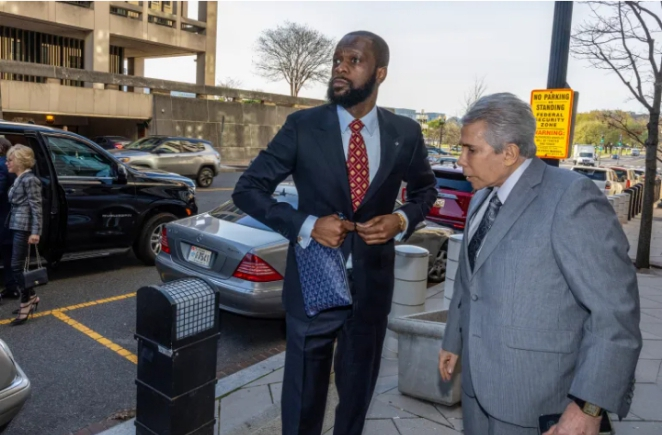
The White House confirmed on Thursday that it had no prior knowledge of a meeting earlier this year between US Ambassador to Israel Mike Huckabee and Jonathan Pollard, a convicted spy.
Pollard, a former US Navy intelligence analyst, was sentenced in 1987 to life imprisonment for passing highly classified information to Israel, marking one of the most damaging breaches in US history.
He served 30 years behind bars before being granted parole in 2015 and eventually relocating to Israel in 2020, where he has been celebrated by certain factions as a national hero.
According to The New York Times, the meeting took place in July at the US embassy in Jerusalem but was reportedly not on Huckabee’s official schedule, nor known to US intelligence agencies.
White House spokesperson Karoline Leavitt said, “The president stands by our ambassador, Mike Huckabee, and all that he is doing for the United States and Israel,” defending the diplomat’s actions.
The CIA, however, expressed alarm at the unsanctioned meeting, viewing it as a violation of longstanding policy that discourages US officials from engaging directly with convicted spies.
Pollard told Israel’s i24 News that he had personally requested the meeting to express gratitude for Huckabee’s efforts on his behalf during his decades in prison, describing it as a “very personal reason.”

He further claimed that the news of the meeting had been leaked intentionally by someone at the US embassy to discredit Huckabee and potentially have him removed from his ambassadorial post.
“It appears the people behind this are anti-Israel elements within the Trump administration,” Pollard said, highlighting ongoing divisions among US officials regarding Israel policy.
Huckabee, a former Republican presidential candidate and a vocal supporter of Israel, had publicly advocated for Pollard’s release during his 2011 campaign, long before his ambassadorial appointment.
The Pollard case has long been a sensitive issue in US-Israel relations, straining diplomatic ties and prompting debates about intelligence sharing, espionage, and the appropriate treatment of allied spies.
Experts note that meetings with former spies are highly unusual and politically delicate, generally requiring approval from intelligence agencies to avoid jeopardizing diplomatic or security interests.
Pollard’s espionage activities involved passing thousands of classified US documents to Israel in exchange for money and gifts, which intelligence experts describe as a severe breach of trust and national security.
During his i24 News interview, Pollard also criticized Trump administration envoys Jared Kushner and Steve Witkoff, accusing them of meeting with groups responsible for the October 7, 2023 attacks in Gaza.
“I despise Witkoff and Kushner; they were willing to meet with terrorists who massacred us on October 7 [2023],” Pollard said, underscoring his ongoing political opinions and strong pro-Israel stance.
Huckabee’s supporters argue that the ambassador’s meeting with Pollard reflects deep personal convictions and a longstanding commitment to strengthening US-Israel ties, rather than an intelligence breach.
Nonetheless, US intelligence officials reportedly reviewed the encounter to assess potential risks, including breaches of protocol and the implications of communicating with a convicted spy without clearance.
Observers suggest that Huckabee may have acted independently, prioritizing his perception of US-Israel relations over standard diplomatic procedure, raising questions about ambassadorial discretion.
Some political analysts warn that unsanctioned meetings like this could set precedents for other diplomats, complicating coordination between the White House, embassies, and intelligence agencies.
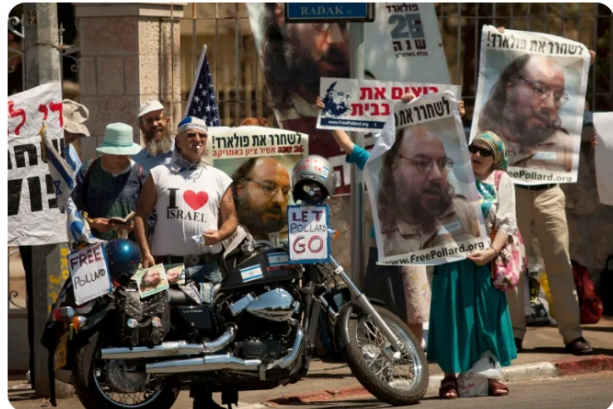
The case also brings attention to the lingering legacy of Pollard, who remains a divisive figure: celebrated in Israel yet considered a traitor in the United States by many security experts.
During the Cold War and beyond, Pollard’s espionage led to significant intelligence losses, affecting US operations and shaping policy discussions about loyalty, oversight, and the sharing of sensitive information with allies.
Huckabee’s ambassadorial role has been defined by vocal support for Israeli settlements and opposition to certain US foreign policy decisions, aligning him closely with certain segments of Israeli leadership.
Despite the controversy, the White House reaffirmed its support, with Karoline Leavitt insisting that Huckabee’s work strengthens bilateral relations and serves the interests of both nations.
Diplomatic commentators suggest that the incident highlights the tension between personal diplomacy and official channels, especially when dealing with politically charged figures like Pollard.
Pollard’s criticism of internal administration figures reflects ongoing factionalism within the Trump-era team, exposing divisions over Israel strategy, Gaza peace talks, and broader Middle East policy approaches.
This episode could also influence future ambassadorial appointments, signaling that unsanctioned personal initiatives might provoke scrutiny or require stronger oversight by the White House and intelligence community.
The broader context of US-Israel relations includes longstanding cooperation in military, intelligence, and diplomatic arenas, yet controversies like the Pollard case remind policymakers of the fragility of trust.
Analysts emphasize that unauthorized meetings with convicted spies can strain relations with allies, potentially undermining coordinated intelligence efforts and creating domestic political conflicts.
In interviews, Pollard reiterated his gratitude to Huckabee, framing the encounter as a personal acknowledgment rather than a political maneuver, though it inevitably carried political and diplomatic implications.
“It was never my intention to create controversy,” Pollard said. “I simply wished to thank an individual who supported me during my imprisonment, a gesture of personal respect.”
Nevertheless, the CIA and other intelligence bodies have reportedly considered procedural reviews to prevent future unscheduled interactions with figures who have previously committed espionage.
The incident has prompted discussions in Washington about balancing diplomatic freedom with national security, especially when ambassadors engage with politically sensitive individuals abroad.
Some experts suggest that the fallout could affect intelligence-sharing protocols between the US and Israel, emphasizing the need for clear communication and adherence to standard practices.
The Pollard-Huckabee meeting illustrates the ongoing complexity of US-Israel diplomacy, where historical grievances, personal loyalties, and national security concerns often intersect unpredictably.
While the White House officially defended Huckabee, the media coverage and intelligence scrutiny may continue to generate debate over ambassadorial autonomy and accountability in foreign relations.
Ultimately, the event underscores the enduring significance of Jonathan Pollard, whose espionage decades ago continues to shape US-Israel relations and spark discussion about loyalty, punishment, and international diplomacy.
The story also serves as a cautionary tale for diplomats and policymakers, highlighting the delicate balance between personal initiative and institutional protocols in sensitive geopolitical contexts.
As the Trump administration navigates the controversy, both supporters and critics of Huckabee await further clarification regarding embassy policies, approval processes, and potential lessons for future diplomatic conduct.
The meeting with Pollard is likely to remain a topic of analysis among intelligence professionals, diplomats, and political observers, illustrating how personal diplomacy can reverberate across national security and international relations.