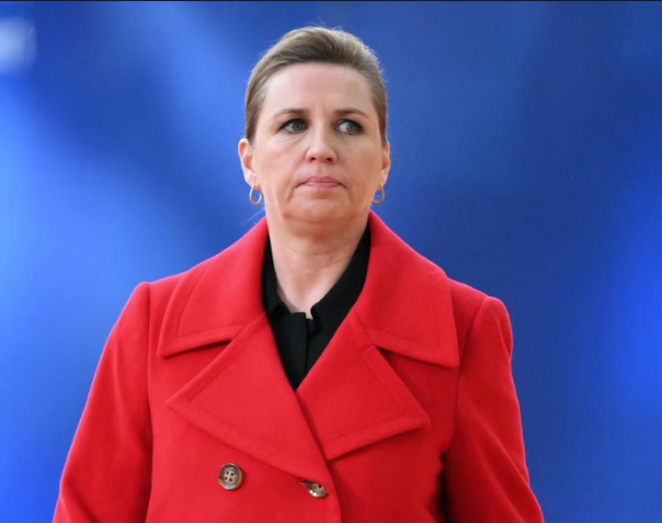
Venezuela interim president collaborates with US as Delcy Rodríguez signals cooperation after Nicolás Maduro’s capture, reshaping power, testing sovereignty, and redefining relations amid Trump warnings.
The dramatic seizure of Maduro by American forces transformed Venezuela overnight, leaving institutions shaken, allies confused, and citizens anxious about stability, legitimacy, and the country’s contested future.
Rodríguez, installed as acting leader, adopted a conciliatory tone online, urging “respectful relations” while acknowledging deep grievances created by years of sanctions, isolation, and mutual hostility.
Her offer to collaborate surprised supporters who heard earlier defiance, calling the operation “an atrocity,” yet analysts say pragmatism now competes with ideology inside Caracas.
Trump framed the operation as law enforcement, insisting drug charges justified action, declaring the United States would “run” Venezuela until systems were “fixed.”
He warned remaining officials to cooperate or face consequences, a message echoing across ministries, barracks, and oil facilities already under intense scrutiny.
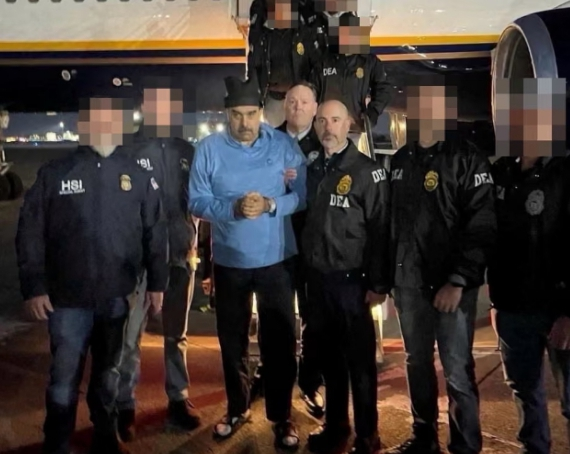
Maduro’s transfer to New York intensified symbolism, images of handcuffs circulating widely, fueling outrage, fear, and rallies demanding his release across loyalist neighborhoods.
Interior minister Diosdado Cabello urged calm, calling the seizure a kidnapping, while promising resistance to “enemy provocations” and safeguarding national sovereignty.
The armed forces activated contingency plans, with defence minister Vladimir Padrino alleging casualties during the raid, claims Washington has neither confirmed nor fully denied.
Cuban authorities said dozens of citizens were killed, heightening regional anger and reviving memories of past interventions throughout Latin America’s turbulent history.
Across borders, governments responded cautiously, balancing condemnation with calls for restraint, fearing escalation could destabilize trade, migration, and fragile democratic norms.
Spain, Brazil, Chile, Colombia, Mexico, and Uruguay warned the action set a dangerous precedent, threatening civilians and undermining international law foundations.
European leaders divided appeared torn, issuing a joint statement urging restraint while stopping short of outright condemnation, reflecting fractured consensus on US power.
Hungary dissented within the European Union, highlighting internal fractures as diplomats privately debated realism versus principle in a rapidly shifting global order.
In London, Keir Starmer declined immediate condemnation, saying facts must be established, adding Britain would “shed no tears” over Maduro’s departure.
Labour critics reacted angrily, with Kim Johnson asking whether Britain still stood for sovereignty, while Richard Burgon labeled the stance “shameful and reckless.”
John McDonnell accused the government of prevarication, claiming the country appeared rendered “a Trump colony” through silence and calculated ambiguity.
Clive Lewis invoked Nuremberg principles, writing online that failure to speak up represented moral surrender rather than diplomacy under intense pressure.
Within Venezuela, reactions varied sharply, from jubilant anti-Maduro activists to loyalists vowing protests, strikes, and popular mobilization to force his return.
Maduro’s son promised supporters would “take to the streets,” framing the moment as existential, urging unity against perceived foreign domination.
Economically, uncertainty gripped oil markets, as Trump demanded “total access” for US companies, signaling potential restructuring of Venezuela’s vast energy sector.
Rodríguez’s commission seeking Maduro’s release suggested dual tracks: diplomatic engagement abroad and symbolic resistance at home to preserve legitimacy.
Her Instagram message emphasized shared development “within international law,” language seemingly crafted to reassure skeptical neighbors and investors.
Yet contradictions persist, as televised speeches condemned extremism while private channels reportedly explored cooperation on drugs, oil, and security.
Observers note Rodríguez faces immense pressure, balancing loyalty to chavismo against survival of state institutions and personal authority.
Washington’s hints about Colombia and Mexico heightened anxiety, with Trump musing about further operations to curb narcotics flows.
“Operation Colombia sounds good,” he said, alarming capitals already managing migration surges and fragile security arrangements.
At Venezuela’s border with Colombia, tense calm prevailed, soldiers deployed, traders waited, and residents feared clashes disrupting daily life.
Human rights groups urged restraint, warning civilians often pay the highest price during geopolitical brinkmanship and rapid regime change.
Legal scholars questioned jurisdiction, debating whether Maduro’s arrest violated sovereignty despite longstanding US indictments.
Supporters of the operation argued impunity ended, claiming accountability could deter corruption and narco-trafficking entrenched for years.
Read also: European leaders split as US ousting of Maduro tests international law, global order
Critics countered that selective enforcement undermines global norms, empowering stronger states to act unilaterally without consequences.
Inside Caracas, markets reopened cautiously, transport resumed, and schools assessed security advisories amid swirling rumors.
Protests by Chavismo supporters filled central squares, flags waving, chants demanding freedom, while police maintained visible but restrained presence.
Opposition figures urged peaceful transition, warning violence could sabotage hopes for economic recovery and international reintegration.
Oil workers sought clarity, fearing layoffs or privatization under potential US-led restructuring frameworks.
Regional analysts compared the moment to Panama 1989, noting echoes yet emphasizing Venezuela’s deeper social polarization.
China and Russia issued measured statements, calling for dialogue, mindful of investments and strategic influence at stake.
For ordinary Venezuelans, fatigue dominated reactions, with many saying politics mattered less than food prices, jobs, and security.
“I just want stability,” said a Caracas shopkeeper. “Whoever rules must stop the chaos and let us live.”
As Rodríguez navigates diplomacy, her survival depends on military loyalty, public calm, and Washington’s shifting calculations.
Trump signaled elections were not immediate priorities, favoring cooperation with remaining officials to overhaul systems.
That approach alarms democracy advocates, fearing entrenchment of externally guided governance without popular mandate.
Still, some economists argue short-term technocratic control could stabilize currency and revive oil output.

Whether Venezuela interim president collaborates with US successfully remains uncertain, hinging on trust, restraint, and respect for law.
The coming weeks will test whether pragmatic engagement averts deeper conflict or entrenches divisions shaping Venezuela’s fate for generations.
About The Author