The US withdraws from 66 global organizations after President Donald Trump ordered a sweeping pullback, arguing that multilateral institutions undermine sovereignty, waste taxpayer funds, and advance ideological agendas.
The decision was announced Wednesday through a formal press statement by Secretary of State Marco Rubio, citing Executive Order 14199 following a comprehensive administration-wide review of US participation.
Rubio said the review examined international organizations receiving American funding or involvement and concluded that many were redundant, mismanaged, or operating contrary to national interests.
“It is no longer acceptable to be sending these institutions the blood, sweat, and treasure of the American people, with little to nothing to show for it,” Rubio said.
According to the State Department, billions of dollars have flowed annually to organizations delivering limited benefits while promoting policies inconsistent with the administration’s domestic and foreign priorities.
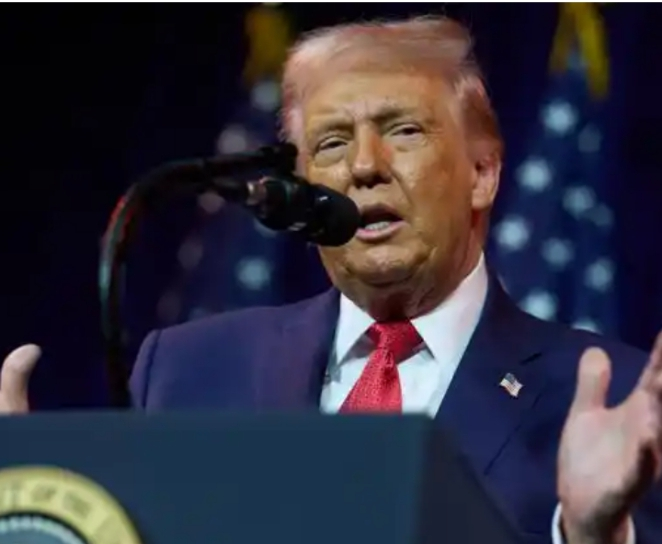
Trump directed all executive departments and federal agencies to take immediate steps to formalize withdrawals as quickly as legally and procedurally possible.
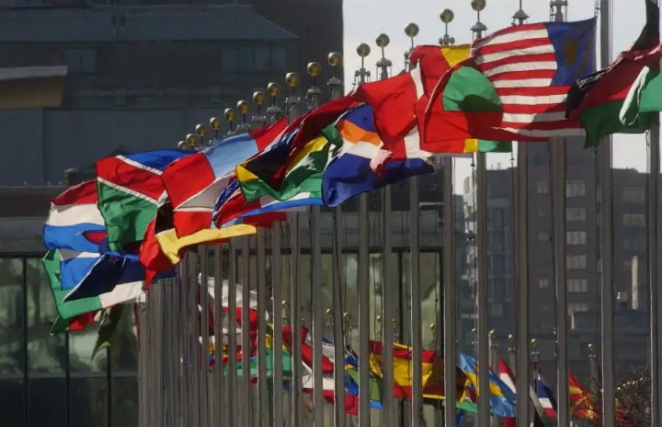
The list of affected bodies includes 31 United Nations entities and 35 organizations operating outside the UN system, according to documents released by the administration.
Among the most notable organizations are the United Nations Framework Convention on Climate Change and the United Nations Population Fund, both longstanding recipients of US support.
The White House said those institutions operate in ways that conflict with American national interests and promote agendas the administration considers harmful or ideologically driven.
Trump had already reinstated US withdrawal from the World Health Organization and the Paris Climate Agreement immediately after returning to office in January.
Weeks later, he signed an executive order withdrawing the United States from the UN Human Rights Council and permanently barring funding for the UN Relief and Works Agency.
The UNFCCC, adopted in 1992, serves as the foundation for global climate diplomacy and organizes annual climate negotiations, including the Paris Agreement.
Trump has repeatedly dismissed climate change as a “scam,” arguing environmental regulations burden American industry while allowing foreign competitors to benefit economically.
His administration sent no representatives to the most recent UN climate summit in Brazil, signaling disengagement even before the formal withdrawal order.
The United Nations Population Fund works across more than 150 countries on family planning, maternal healthcare, and efforts to combat gender-based violence.
Historically, the United States was among UNFPA’s largest donors, contributing substantial funding before reductions during Trump’s first term.
European leaders reacted sharply to the announcement, particularly the decision to abandon the UNFCCC framework governing international climate cooperation.
European Union climate chief Wopke Hoekstra described the move as “regrettable and unfortunate” given the accelerating impacts of climate change worldwide.
“The decision by the world’s largest economy and second-largest emitter to retreat from it is regrettable and unfortunate,” Hoekstra said in a LinkedIn post.
Hoekstra added that Europe would continue supporting international climate research and cooperation regardless of Washington’s policy shift.
“We will unequivocally continue to support international climate research, as the foundation of our understanding and work,” he said.
EU vice-president Teresa Ribera accused the Trump administration of indifference toward environmental damage, public health risks, and human suffering.
“The Trump administration doesn’t care about the environment, health, or the suffering of people,” Ribera said during a media appearance.
Legal experts warned that withdrawing from the UNFCCC could raise constitutional questions because the treaty was ratified by the US Senate.
The US Constitution allows presidents to enter treaties with Senate approval but does not clearly outline procedures for unilateral withdrawal.
Jean Su, a senior attorney at the Center for Biological Diversity, said exiting the framework treaty differs significantly from leaving the Paris Agreement.
“It’s our contention that it’s illegal for the President to unilaterally pull out of a treaty that required two-thirds of the Senate vote,” Su said.
Climate analysts warned the decision risks fracturing decades of international consensus on coordinated emissions reductions.
Li Shuo of the Asia Society Policy Institute described the move as a “heavy blow” to global climate cooperation.
“The US withdrawal from the UN climate framework is fracturing hard-won consensus,”.
Domestically, Democratic leaders condemned the move as surrendering American leadership at a critical geopolitical moment.
California Governor Gavin Newsom accused Trump of weakening the country’s global standing and economic competitiveness.
“Our brainless president is surrendering America’s leadership on the world stage,” Newsom said in a statement.
“He is creating a leadership vacuum that China is already exploiting,” he added.
Beyond climate bodies, the directive orders withdrawal from the Intergovernmental Panel on Climate Change and several renewable energy institutions.
These include the International Renewable Energy Agency, UN Oceans, and UN Water, all of which previously received US participation or funding.
The administration also confirmed renewed withdrawal from UNESCO, which the United States had rejoined under President Joe Biden.
Trump previously exited UNESCO during his first term, citing alleged bias, inefficiency, and politicization within the organization.
The World Health Organization remains another major casualty, with US funding halted earlier as part of broader disengagement.
Foreign aid budgets have also been sharply reduced, reflecting what officials describe as a recalibration of overseas commitments.
Rubio framed the withdrawals as a rejection of what he called “progressive ideology” embedded across multilateral institutions.
“From DEI mandates to ‘gender equity’ campaigns to climate orthodoxy, many international organizations now serve a globalist project,” Rubio said.
He argued these agendas actively constrain American sovereignty and undermine democratic accountability.
“These organizations have been captured by actors advancing their own agendas contrary to our own,” Rubio said.
Rubio described the modern international system as a “sprawling architecture of global governance” detached from national interests.
He linked the withdrawals to broader efforts to dismantle what he called the “multilateral NGO-plex.”
Rubio said elite networks within international organizations had grown increasingly powerful and unaccountable over recent decades.
The secretary connected the move to the administration’s decision to shut down USAID, describing it as part of the same ideological reset.
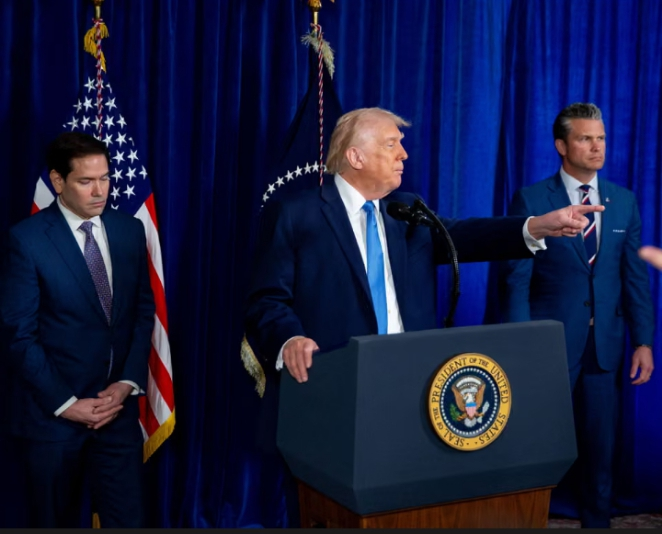
Despite the scale of the withdrawals, Rubio insisted the United States is not abandoning diplomacy altogether.
“We will not continue expending resources, diplomatic capital, and legitimizing weight in institutions irrelevant to our interests,” he said.
“We seek cooperation where it serves our people and will stand firm where it does not,” Rubio added.
Federal agencies have been instructed to implement the withdrawals while additional organizations remain under review.
The State Department confirmed further exits could be announced in coming months as evaluations continue.
Supporters of the decision argue it restores fiscal discipline and reasserts national sovereignty over foreign policy.
Read also: Trump threatens indefinite control of Venezuelan oil after UK assists in seizing fleeing Venezuelan-linked tankers
Critics warn it risks isolating the United States at a time of intensifying global competition and instability.
The move represents one of the most far-reaching restructurings of US engagement with international institutions in modern history.