The United States Federal Aviation Administration (FAA) has issued a warning to airlines over military activity around Venezuela, citing growing threats to civil aviation amid regional tensions.
The FAA’s advisory urges operators to exercise caution during overflights, landings, departures, and ground operations. Officials note that safety risks are particularly acute at all altitudes.
Since September, Venezuela has mobilized thousands of active and reserve troops, conducted multiple military exercises, and tested navigation systems, according to intelligence reports. Analysts warn these actions affect airspace stability.
“The FAA continues to monitor risks for US civil aviation in the region,” said FAA spokesperson Karen Delaney. “We will adjust advisories as necessary to ensure flight safety.”
Direct US flights to Venezuela have been suspended since 2019. However, some carriers still overfly Venezuelan airspace en route to South American destinations, requiring heightened precautions and advanced planning.
American Airlines stopped overflying Venezuelan airspace in October. Delta and United Airlines have not yet confirmed adjustments. Industry sources emphasize that adherence to FAA regulations is now critical.
“The FAA Venezuela warning reflects a serious operational risk,” said aviation analyst Carlos Mendes. “Airlines must treat overflights with utmost caution. Navigation systems can be disrupted by military activity.”
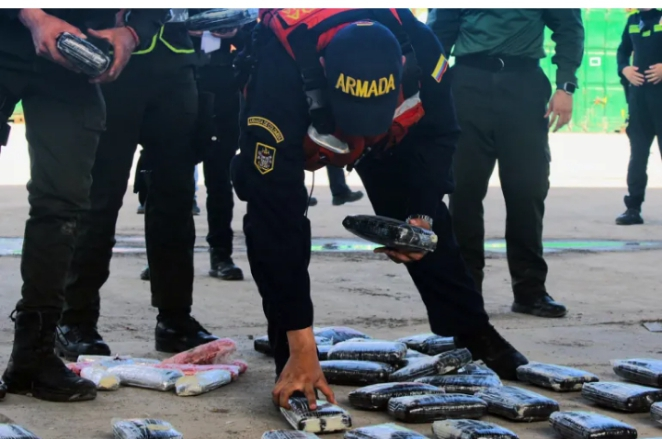
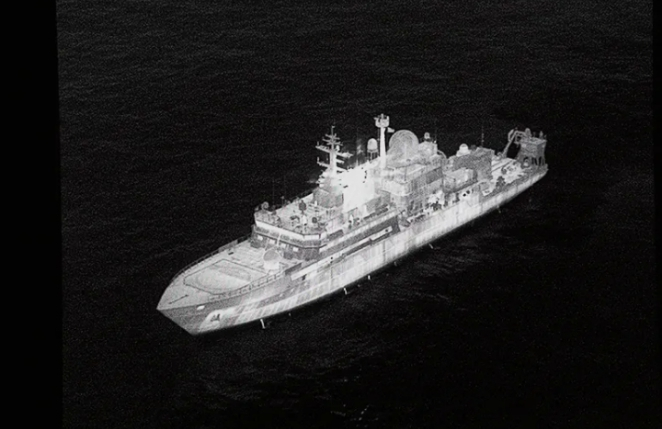
The US has deployed an aircraft carrier strike group, warships, and F-35 stealth fighters to the Caribbean. Officials describe this as part of ongoing counter-narcotics operations targeting regional traffickers.
Critics argue the deployment risks escalating tensions. “US military operations in the Caribbean are perceived as provocative,” said Latin America security analyst Dr. Isabel Rojas. “This could destabilize an already fragile region.”
President Nicolas Maduro has accused Washington of using military pressure to justify potential regime change. He warned the US that Venezuela will defend its sovereignty against external threats.
“Venezuela is prepared for any contingency,” Maduro said during a televised address. “Our military readiness demonstrates that foreign interference will not succeed.”
Legal experts question the legitimacy of US strikes on vessels in international waters, which have killed more than 80 people since September without clear evidence linking them to drug trafficking.
“Operations targeting suspected drug vessels raise serious questions under international law,” said maritime law professor Jonathan Weiss. “Civilian and neutral maritime interests must be considered carefully.”
Flight tracking platforms indicate that US operators must now provide 72-hour prior notification to the FAA before entering Venezuelan airspace, reflecting elevated safety concerns and regulatory scrutiny.
Experts warn that civilian flights in Venezuelan airspace face unusual operational hazards, including potential misidentification of aircraft, electronic interference, and accidental encounters with military assets.
Regional neighbors are closely monitoring developments. Colombia, for example, has procured new fighter jets to strengthen defenses, while Brazil has increased surveillance over northern airspace to reduce risk spillover.
“The US military presence is part of a broader regional security posture, but it could provoke miscalculations,” said security consultant Ana Gutierrez. “Civilian air traffic becomes vulnerable in these conditions.”
The FAA stressed that while flights are not prohibited, caution is essential. Airlines are advised to implement contingency measures, reroute if necessary, and maintain open communication with air traffic authorities.
Military analysts note that Venezuela’s recent exercises, including troop mobilization and simulated combat drills, illustrate high Venezuela military readiness despite limited resources compared with US forces.
“The mobilization is significant,” said retired US Air Force General Mark Thornton. “While Venezuela cannot match US firepower, their military strategy focuses on deterrence and readiness in key airspace corridors.”
From Washington’s perspective, the operation aims to disrupt trafficking networks operating in the Caribbean Sea. Officials claim these efforts protect US national security and regional stability.
“The US cannot ignore drug smuggling corridors threatening American citizens and allies,” said Department of Defense spokesperson Lt. Col. Andrea Willis. “Our military activity is defensive, coordinated, and precise.”
Human rights organizations, however, question the approach. “Extrajudicial killings at sea are deeply troubling,” said Maria Alvarez of the International Maritime Watch. “There is insufficient transparency or judicial oversight for such actions.”
Flight crews report increasing difficulties navigating Venezuelan airspace due to satellite interference affecting GPS-based instruments. Some flights have reported temporary anomalies during transit over military exercise zones.
“The combination of exercises, troop movements, and electronic disruption makes flying over Venezuela risky,” said Mendes. “Airlines need situational awareness, real-time intelligence, and clear FAA guidance to operate safely.”
Political analysts warn that escalating rhetoric between Caracas and Washington could further disrupt civilian aviation. Miscommunication or misinterpretation of military movements could endanger both commercial flights and diplomatic relations.
“The current situation is volatile,” said Dr. Rojas. “Civilian aircraft are potential targets for misidentification or accidents, especially with increased military activity around Venezuela in sensitive air corridors.”
Some US carriers have rerouted flights around Venezuelan airspace entirely, despite longer transit times and higher fuel costs. Operational delays are expected to persist while tensions remain high.
Experts emphasize that regional coordination between air traffic authorities is essential. Colombia, Brazil, and other nations are increasing radar coverage, early-warning systems, and communication protocols to prevent accidents.
In addition, airline insurers are revising risk assessments for flights over Venezuelan airspace, with some considering temporary premium adjustments or additional coverage requirements to mitigate potential liabilities.
“The aviation industry is highly sensitive to geopolitical instability,” said aviation consultant Daniel Moreno. “Even minor missteps in flight planning could trigger costly incidents or disruptions.”
Some analysts suggest diplomatic avenues may help de-escalate tensions. International mediation and dialogue could reduce pressure on commercial aviation while preserving US counter-narcotics objectives.
“Constructive engagement with regional partners and Venezuela is the safest approach for both military and civilian actors,” said Dr. Rojas. “Risk to civilian flights must remain a priority.”
The FAA continues to evaluate threats, updating advisories as intelligence develops. Airlines are urged to maintain robust contingency planning and to comply with reporting requirements for overflights.

Looking ahead, analysts warn that military activity around Venezuela is likely to continue until regional tensions ease, suggesting that airlines and governments maintain high vigilance for the foreseeable future.
With troop mobilizations, naval deployments, and ongoing counter-narcotics operations, the region remains a critical focus for both US national security and the safety of international commercial flights.
—
About The Author