More than 300 anti-ICE protests are scheduled across all 50 states and Washington DC this weekend, organized under the banner “ICE Out of Everywhere” by grassroots group 50501.
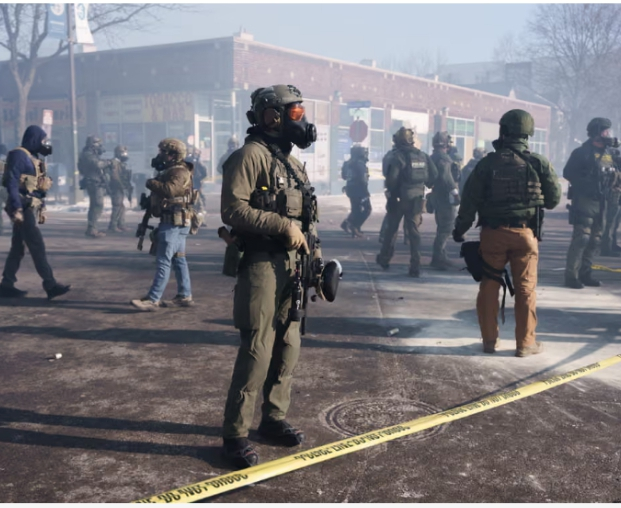
Demonstrators plan vigils, marches, and community training events to spotlight what they describe as abuses by Immigration and Customs Enforcement officers and the militarization of immigration enforcement nationwide.
Activists cite several recent deaths involving federal immigration agents, including the fatal shootings of Alex Pretti in Minneapolis and Renee Good earlier this month in the same city.
The nationwide demonstrations also respond to the homicide of Geraldo Campos in a Texas immigration detention facility and the shooting of Keith Porter Jr by an off-duty ICE officer in Los Angeles.
Organizers say these incidents reflect a pattern of excessive force and abuse within ICE detention centers, with protesters demanding accountability and reforms for immigration enforcement practices.
Hunter Dunn, national press coordinator for 50501, said the weekend protests are “a response to escalations in enforcement under the Trump administration,” highlighting the public concern over ICE operations.
In addition to rallies, protesters are targeting ICE detention centers, field offices, and congressional district offices in major cities and small towns from California to Maine this weekend.
Demonstrations at airports will focus on airlines like Global Crossing Airlines, which activists allege transport detainees for federal deportations, as part of efforts to disrupt ICE operations.
Protesters are urging lawmakers to block funding for the Department of Homeland Security until ICE and Customs and Border Protection agents are removed from communities nationwide.
Democratic senators recently advanced several government spending bills to avoid a partial shutdown, but ICE reforms remain stalled, with calls for independent oversight and a code of conduct for officers.
The “No Housing for ICE” campaign asks people to boycott hotels that provide lodging for ICE operations, while leaving reviews and calling management to end federal contracts.
Another initiative, “#DontServeICE,” asks restaurants, retailers, and shops to refuse service to federal immigration agents, pressuring businesses connected to ICE enforcement activities.
Activists have also protested major corporations alleged to support ICE, including Target and Home Depot, citing incidents in which ICE detained shoppers and employees at retail locations.
Saturday’s nationwide protests build on weeks of demonstrations following the ICE shooting of Renee Good on January 7, which drew attention to excessive force and civilian deaths.
On January 23, tens of thousands of Minnesotans marched downtown to demand ICE leave the city, prompting hundreds of businesses to close in a “No work, no school, no shopping” campaign.
Subsequent demonstrations on January 30 included a national shutdown, with thousands participating in hundreds of local actions, from high school walkouts in Tennessee to business closures in Seattle.
Dunn said this weekend’s protests represent a continuation of prior efforts, ensuring that the momentum from previous actions carries forward in Los Angeles and across the country.
Local leaders emphasize that legal accountability for ICE officers involved in civilian deaths remains a central demand, noting that government responses have largely failed to address these concerns.
Minister Janae Bates Imari of Minneapolis’ interfaith group Isaiah praised continued activism, saying communities must persist in demonstrating until ICE and federal immigration agents are removed from neighborhoods.
Protesters are also organizing educational workshops to train observers on how to monitor ICE activity, enabling civilians to document enforcement abuses and pressure officials for transparency.
Demonstrations include overpass banner actions, sidewalk protests, and vigils, creating public visibility for victims of ICE-related deaths and the broader systemic issues within immigration enforcement.
Organizers emphasize that economic pressure, legislative advocacy, and public awareness campaigns are all tools necessary to challenge ICE’s presence and influence in communities nationwide.
Activists continue to call on elected officials to fund DHS only with reforms in place, including independent investigations, stricter codes of conduct, and accountability measures for ICE operations.
In cities across the US, from small towns to major metropolitan areas, local protest coordinators are mobilizing volunteers, pressuring elected officials, and sustaining public engagement to ensure nationwide impact.
Community leaders stress that public demonstrations must continue until meaningful reforms are implemented, including reductions in ICE detentions, oversight of immigration enforcement, and prevention of civilian deaths.
Activists warn that without reform, ICE detention centers and federal enforcement policies will continue to pose risks to civilians, particularly in marginalized and immigrant communities.
Nationwide, protests are intended to maintain pressure on policymakers, encourage civic action, and foster collaboration between local, state, and national groups advocating for ICE accountability.
Organizers emphasize that “ICE Out of Everywhere” is a unifying slogan, representing a coordinated demand for federal agencies to be held accountable for systemic abuses and civilian harm.
Citizens participating in demonstrations are calling for long-term policy changes, independent investigations, and public transparency in how ICE conducts operations across communities nationwide.
As protests unfold, grassroots organizations hope that visible public opposition will motivate lawmakers, corporations, and federal agencies to adopt reforms reducing harm and ensuring justice for affected individuals.
Activists also point to the role of media coverage, urging journalists to report on ICE operations, detainee conditions, and enforcement abuses to amplify public awareness and pressure decision-makers.
Organizers stress that economic actions, legislative advocacy, and direct protest are complementary strategies, working together to challenge ICE’s operations and push for meaningful reform.
Across the country, protesters are using coordinated messaging, social media campaigns, and local community networks to mobilize volunteers, track enforcement activities, and maintain visibility for their cause.
Demonstrators have highlighted that meaningful ICE reform requires accountability for officers involved in killings, independent oversight of detention centers, and reductions in federal enforcement operations in communities.

The nationwide weekend actions are intended to demonstrate public opposition to ICE policies, ensuring that lawmakers, corporations, and local authorities recognize widespread concern over immigration enforcement practices.
As protests continue, organizers call for sustained engagement, arguing that only consistent, nationwide pressure can create systemic change and hold ICE accountable for abuses and excessive force.
Local leaders stress that the events this weekend are part of a larger movement advocating for human rights, justice, and the humane treatment of immigrants in the United States.
More than 300 anti-ICE protests across the US this weekend represent a significant mobilization demanding accountability, oversight, and reform of ICE detention centers and immigration enforcement practices nationwide.
Read also:US releases over three million pages of Jeffrey Epstein investigation records
About The Author