American intelligence officials have launched a review into a possible russian role in iran drone attacks that hit CIA facilities in Saudi Arabia and Iraq in March. Analysts are examining precision, targeting data, and upgraded drone tech to determine Moscow’s involvement.
The strikes targeted at least two sites. One was the CIA station inside the US embassy in Riyadh. The other was a separate CIA facility in eastern Iraq. Sources say the total number of facilities hit was more than one and fewer than a dozen across the Gulf region.
What raised alarm was the accuracy. Drones struck vulnerable points on buildings and detonated inside. That level of precision pushed US analysts to ask if outside help was provided. No deaths or injuries were reported, but security reviews were ordered at multiple posts.
Four people familiar with US intelligence said the probe is focused on whether Russia supplied targeting information or enhanced drone systems to Iran. No final conclusion has been reached. The investigation remains active and involves signals data, satellite imagery, and debris analysis.
Moscow and Tehran have deepened cooperation during the regional war. Russia has already been reported to give general targeting support for Iranian strikes on US targets. This review specifically examines if that support extended to CIA sites.
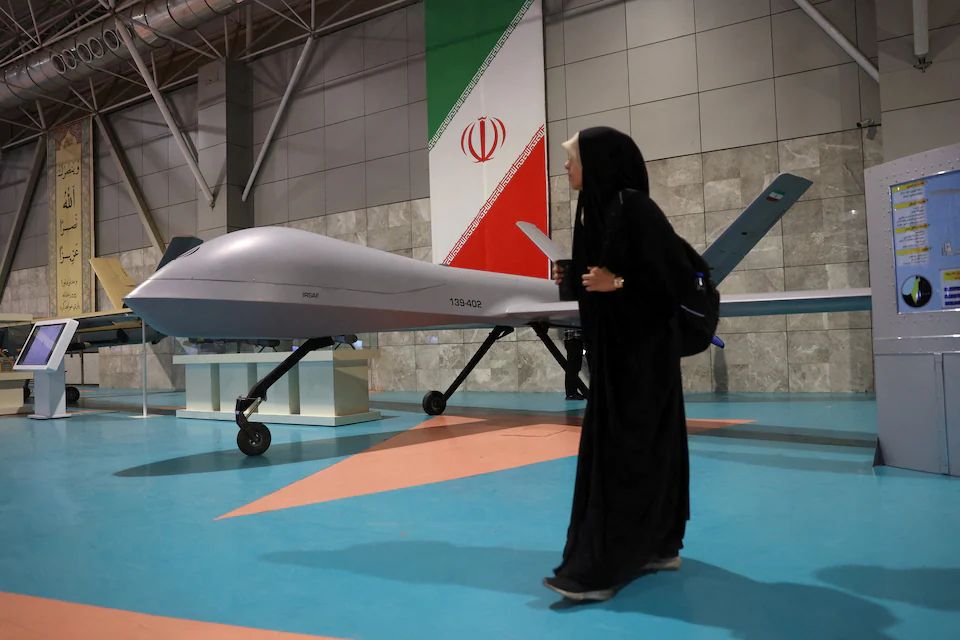
A Western intelligence memo described by a regional official concluded Russia likely played a part in targeting. Two Gulf officials said the Riyadh attack involved drones resembling enhanced Shahed models. The first blew a hole in the embassy wall and the second flew through.
Technical focus is on the Kometa-M navigation system. Experts say it makes Shahed-136 drones more accurate and harder to jam than Iran’s own version. A March report claimed Russia provided Kometa-M to Tehran. The Kremlin denied it and called the report fake news.
If Russia did supply Kometa-M, it would explain the improved guidance. The system uses satellite signals for precise steering. That could account for how drones hit specific parts of secured compounds in both Saudi Arabia and Iraq during the March operations.
Former officials say the logic fits. Both Russia and Iran want to reduce US influence in their regions. Helping Tehran strike intelligence facilities would mark a major escalation compared to previous arms and training support between the two countries.
The CIA declined to comment. The White House referred questions to the agency. Iran’s UN mission, Russia’s Defense Ministry, and Saudi officials did not respond. The secrecy around CIA stations makes public confirmation difficult at this stage.
CIA stations are usually housed inside embassies and called such for cover. The agency also runs safe houses and logistics hubs. Any successful strike risks exposing methods and forcing relocations. That is why the precision of these attacks matters so much.
Some analysts urge caution. Iran may have aimed at the embassy generally and hit the CIA section by chance. Others argue few nations have both the capability and motive to provide sensitive targeting data against Washington in this conflict.
Read also:Mysterious white foam on Kaduna-Abuja expressway: NESREA begins investigation
Concerns intensified after separate Iranian missile strikes on a US base in Jordan that killed two soldiers. That event pushed US planners to reassess how quickly Iran’s strike capacity is improving with outside assistance.
US agencies are now mapping flight paths and damage patterns. They are comparing the March attacks to Iran’s pre-2025 drone performance. Any difference could point to new navigation or guidance packages installed with Russian help.
Diplomats say confirmation would complicate efforts to end the wider conflict. It would also increase pressure on Washington to respond. Options range from new sanctions to diplomatic action, but all carry escalation risks in an already tense region.
Drone warfare is changing fast. Cheap aircraft with advanced navigation can now threaten high-value sites. That shifts defense priorities for embassies and bases. Additional counter-drone systems and jamming equipment are under review for deployment.
In Riyadh, security was tightened after the strike. Similar measures were taken at other posts. In Iraq, details about the second facility remain limited. Officials said assessments are continuing and more information may emerge later.
The Kometa-M question is central. If Russia transferred the system, it signals a new level of defense cooperation. Analysts will monitor future Iranian drone launches to see if accuracy improves again, which could indicate wider use of the technology.

For now, officials treat findings as preliminary. They need multiple sources to confirm any link. The goal is to separate coincidence from coordination and understand exactly how much help Tehran received for these specific CIA facility attacks.
The stakes are high for US policy. A confirmed russian role in iran drone attacks would affect sanctions, military posture, and diplomacy. It would also shape how Washington protects personnel and facilities going forward.
About The Author