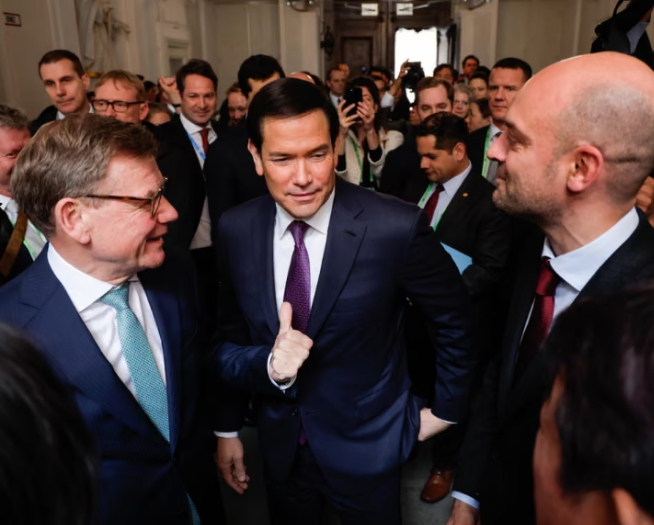
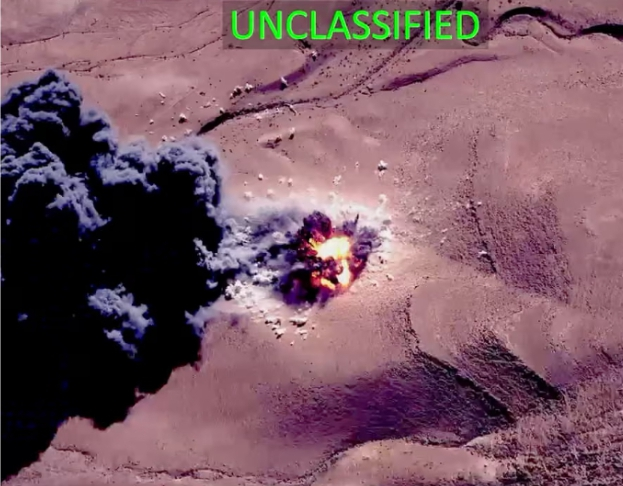
The US powers on Danish soil granted under a controversial defence agreement have placed Denmark on the brink of a significant constitutional and political confrontation.
The Danish state could face legal action as critics argue that the agreement unlawfully transfers sovereign authority to a foreign power, raising deep concerns about democratic oversight, civil liberties, and the future of Denmark’s relationship with the United States.
The Denmark US defence agreement, signed in 2023 and approved by parliament in 2025, allows American forces extensive operational freedom at several Danish military installations.
These provisions include US access to Danish airbases and legal jurisdiction over US personnel stationed there, a framework that opponents argue weakens Danish control over its own territory.
The agreement has become increasingly controversial as it grants jurisdiction over foreign troops that limits the ability of Danish courts to prosecute potential misconduct.
The unfolding Danish constitutional challenge is being led by independent MP Theresa Scavenius, who maintains that the agreement violates Denmark’s constitution by delegating authority to a foreign state without the required constitutional amendment.
According to Danish law, any significant transfer of sovereignty must receive support from five-sixths of parliament, a threshold the agreement did not meet. On this basis, preparations are under way for legal action against the Danish state.
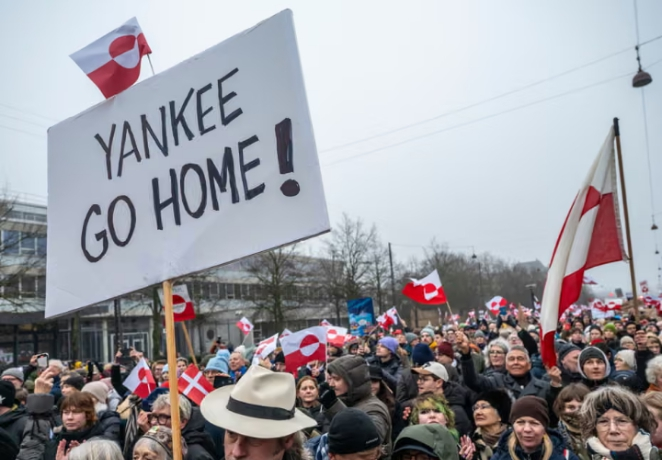
Concerns over Danish sovereignty have intensified due to broader geopolitical developments, particularly Greenland tensions between Denmark and the US.
Although the defence agreement does not formally apply to Greenland, critics argue that it cannot be separated from wider strategic ambitions in the Arctic.
Statements by Donald Trump regarding Greenland have heightened fears that military arrangements on Danish soil could be leveraged in future negotiations involving the autonomous territory.
The growing US military presence in Denmark has also prompted warnings from human rights organisations. The Danish Institute for Human Rights has cautioned that the agreement may restrict Denmark’s ability to safeguard civil liberties, including the right to protest near military facilities.
It has further warned that Danish human rights concerns arise from the possibility that American soldiers could operate beyond the reach of Danish law.
Despite the criticism, the Danish government insists the agreement is essential for national and European security.
Prime Minister Mette Frederiksen has defended the arrangement as a necessary element of NATO defence cooperation, arguing that the greater danger lies in weakening transatlantic ties at a time of heightened instability in Europe.
Supporters of the agreement point to the war in Ukraine and rising Arctic security tensions as justification for closer military alignment with Washington.
Nevertheless, public unease continues to grow. Opinion surveys indicate rising scepticism toward the United States and strong resistance to any suggestion that Greenland’s future could be influenced by external powers.
As Denmark seeks to balance alliance obligations with constitutional integrity, the dispute over US powers on Danish soil has become a defining test of how far a democratic state can go in sharing authority without undermining its own legal foundations.
The outcome of the impending legal challenge could have lasting implications, not only for Denmark’s defence policy but also for how smaller states navigate security partnerships with global powers.
Read also:Ukraine-Russia conflict Munich updates: Rubio highlights “new era in geopolitics” as Zelensky engages in talks
As Greenland’s strategic importance grows and Arctic competition intensifies, Denmark’s response to this crisis may set a precedent for constitutional limits on international military cooperation.