Meta Description: Ukraine-Russia conflict Munich updates: US Secretary of State Marco Rubio signals a “new era in geopolitics” at the Munich Security Conference, while Ukrainian President Volodymyr Zelensky discusses ceasefire-linked elections and ongoing diplomatic efforts to end the war.
Ukraine-Russia conflict Munich updates, Marco Rubio Munich Security Conference, Zelensky ceasefire elections, US-Russia-Ukraine diplomacy
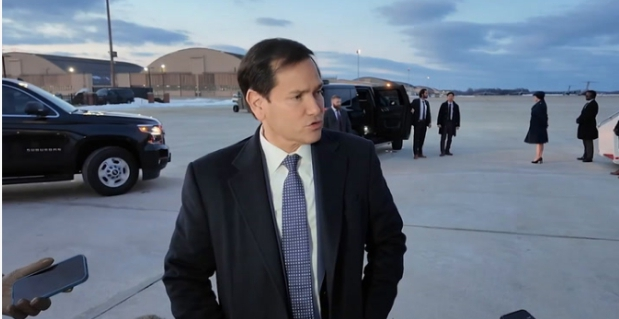
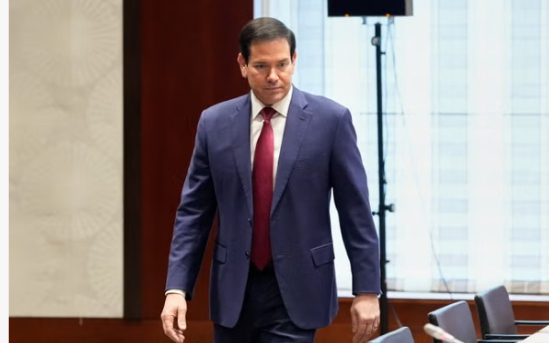
At the Munich Security Conference on 14 February 2026, the latest Ukraine-Russia conflict Munich updates saw US Secretary of State Marco Rubio address world leaders, declaring that the “old world is gone” and emphasizing that the international geopolitical landscape is entering a new era.
Rubio underscored the interdependence of the United States and Europe, stating that “Europe must survive” and stressing that the destinies of transatlantic partners remain closely intertwined.
Observers at the conference noted that Rubio’s remarks were designed to signal continued US engagement in European security while emphasizing the necessity of unity in facing global crises, including the ongoing Russia-Ukraine war.
The Ukraine-Russia conflict Munich updates also focused on Ukrainian President Volodymyr Zelensky, who participated in discussions with European leaders about strategies to end the conflict and secure the conditions necessary for democratic governance in Ukraine.
In an interview with Politico, Zelensky indicated that he would consider holding elections if the US President Donald Trump succeeded in pressuring Russian President Vladimir Putin to agree to a two- or three-month ceasefire.
Zelensky clarified that these elections would not necessarily require an immediate end to the war but would depend on a temporary halt in hostilities to allow for a safe and organized electoral process.
This conditional approach highlights Ukraine’s delicate position: balancing internal political timelines with the practicalities of a conflict that has already lasted nearly four years.
While addressing the conference, Rubio emphasized the United States’ commitment to supporting Ukraine through military aid, economic assistance, and coordination with European partners.
His meetings with German Chancellor Friedrich Merz reinforced these points, focusing on joint efforts to secure supply chains, strengthen defense capabilities, and advance diplomatic efforts to end hostilities.
However, Rubio notably skipped a Berlin Format meeting on Ukraine that included European leaders, citing scheduling conflicts. The absence drew criticism from some European officials, who argued that without US participation, the discussion risked lacking substantive impact.
Nonetheless, Rubio’s broader engagement at the conference underscored the United States’ intention to maintain a leadership role in shaping the transatlantic response to the conflict.
The Ukraine-Russia conflict Munich updates also revealed the staggering human cost of the war.
Independent media investigations have identified more than 177,000 Russian soldiers killed since the start of the full-scale invasion, with figures confirmed through publicly available sources including obituaries, social media posts by relatives, regional media, and statements from local authorities.
Among the casualties, over 57,200 were volunteers, roughly 21,400 were recruited prisoners, and approximately 17,000 were mobilized soldiers, including 6,414 officers.
Analysts caution that the true number of fatalities is likely higher, as these counts include only verified cases. Ukrainian officials reported that Russia had lost approximately 1,250,950 troops including killed, wounded, missing, and captured personnel.
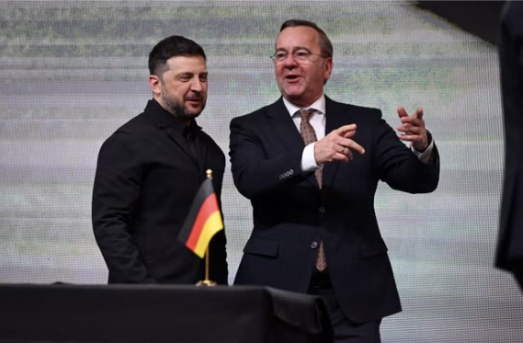
Meanwhile, Zelensky confirmed that at least 55,000 Ukrainian soldiers have died since the beginning of the conflict, highlighting the extraordinary human toll of nearly four years of war.
The Ukraine-Russia conflict Munich updates have also encompassed the diplomatic efforts underway to reach a ceasefire and progress toward peace talks.
A new round of US-brokered discussions in Geneva is scheduled to build on prior negotiations held in Abu Dhabi, which focused on military coordination, monitoring potential ceasefire agreements, and exploring buffer zones.
Despite these talks, both sides remain far apart on critical issues, particularly regarding control of the Donbas region in eastern Ukraine, which continues to be a central point of dispute.
Fighting remains intense along an approximately 1,200-kilometer front line, with Russian forces targeting Ukrainian infrastructure and Kyiv responding with long-range strikes on military and energy-related targets.
The timing of the Geneva talks, coupled with the approaching four-year anniversary of the conflict, signals a period of heightened diplomatic urgency.
In addition to diplomatic and military developments, the Ukraine-Russia conflict Munich updates highlight Zelensky’s efforts to maintain global attention on Ukraine’s plight in multiple arenas, including sports diplomacy.
Zelensky publicly criticized the International Olympic Committee’s decision to disqualify Ukrainian skeleton athlete Vladyslav Heraskevych for wearing a helmet honoring Ukrainian athletes killed in the war.
Zelensky argued that commemorating fallen athletes is not a political act but a necessary acknowledgment of reality, illustrating how Ukraine seeks to balance domestic morale, international perception, and advocacy while navigating ongoing hostilities.
Reports that Zelensky might announce elections on 24 February, the anniversary of Putin’s invasion, were publicly rejected by the president, who described the idea as “utterly stupid,” emphasizing that election timing must reflect security realities rather than external pressures.
The Ukraine-Russia conflict Munich updates underscore the broader strategic recalibrations occurring in international relations. Rubio’s assertion of a “new era in geopolitics” suggests potential shifts in US and European approaches to security, alliances, and conflict resolution.
At the same time, Zelensky’s conditional election plans reflect the challenges of governing and pursuing democratic processes during wartime, where both military and political factors must be carefully balanced.
Analysts note that the coming months will be critical, as diplomatic pressure increases, military engagements continue along contested front lines, and global attention focuses on whether meaningful progress toward peace can be achieved.
As discussions continue at the Munich Security Conference and in upcoming Geneva negotiations, the Ukraine-Russia conflict Munich updates demonstrate that the international community faces a complex web of military, political, and humanitarian challenges.
Sustained coordination between the United States, European partners, and Ukraine will be essential to supporting sovereignty, achieving temporary ceasefires, and ultimately seeking a negotiated resolution.
The human cost of the conflict, combined with the strategic stakes in Eastern Europe, ensures that every diplomatic step is closely watched, as failure or delay could have long-term consequences for regional stability, alliance structures, and the precedent for international intervention in future conflicts.
In summary, the Ukraine-Russia conflict Munich updates highlight a pivotal moment in international diplomacy. Marco Rubio’s messaging reflects a commitment to transatlantic unity and a recalibration of global political priorities, while Volodymyr Zelensky’s conditional approach to elections emphasizes the practical realities of negotiating peace under wartime conditions.
The latest casualty data underscores the devastating cost of the conflict, further reinforcing the urgency of coordinated international efforts to secure a ceasefire and restore stability in the region.
As Geneva talks approach, the coming weeks are poised to shape the trajectory of the conflict and redefine the geopolitical landscape in Eastern Europe.
About The Author