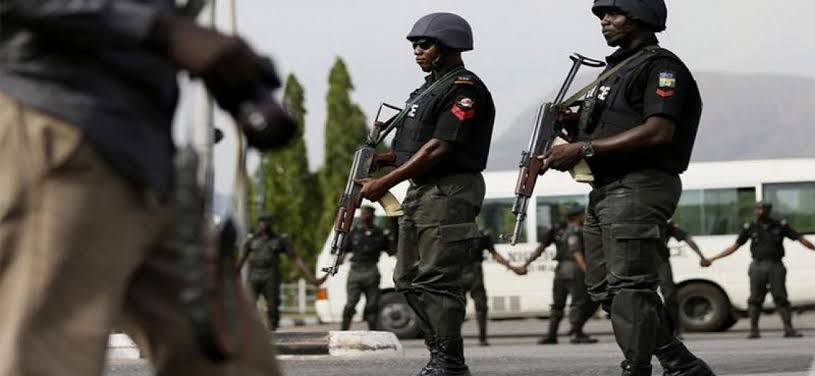
The US pauses visas for Afghan passport holders following the Washington attack that killed a National Guard member, triggering an extensive security reassessment across immigration, asylum systems, and federal screening procedures.
Officials said the immediate halt was necessary to prevent potential further threats, emphasising the broad national security implications raised by the fatal assault near the White House.
Secretary of State Marco Rubio confirmed the suspension, stating public safety required urgent protective measures as law-enforcement officials identified Afghan national Rahmanaullah Lakanwal as the primary suspect in the attack.
Rubio described the situation as “deeply alarming,” asserting that decisive action was required to reassure the public and demonstrate the administration’s willingness to impose aggressive domestic security responses.
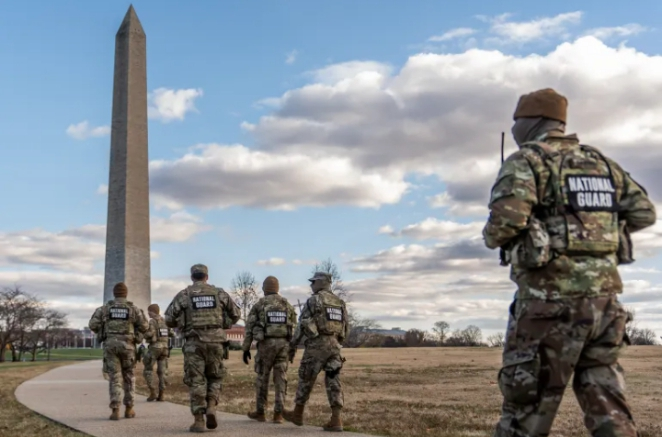
Authorities alleged Lakanwal ambushed soldiers Sarah Beckstrom and Andrew Wolfe during routine patrol duties, initiating gunfire without warning in what investigators characterised as a calculated and deliberate assault.
Medical officials confirmed Beckstrom succumbed to her injuries on Thursday, while Wolfe remains in critical condition, with doctors providing continuous treatment amid fears of long-term complications.
The shooting has heightened political tensions, reigniting longstanding disputes about immigration oversight, asylum processing reliability, and the legacy of post-Afghanistan evacuation programmes initiated after the 2021 withdrawal.
Federal investigators revealed Lakanwal previously worked with US intelligence services in Afghanistan, participating in field support activities before relocating under the Operation Allies Welcome resettlement framework.
Officials noted this involvement complicates early assessments, as individuals formerly aligned with US missions have traditionally been considered lower-risk due to extensive background verification.
The US Attorney’s office upgraded charges to first-degree murder and multiple counts of assault with intent to kill, underscoring the severity and intentional nature of the attack.
Prosecutors said available evidence indicated planning rather than spontaneity, prompting renewed scrutiny of potential ideological motivations, foreign connections, or personal grievances that may have driven the assault.
Law-enforcement agencies are conducting a comprehensive timeline analysis of Lakanwal’s activities, seeking to identify associates, contacts, and any patterns that could clarify behavioural shifts before the shooting.
The attack has prompted wider institutional concerns, with military officials warning that uniformed personnel have become increasingly vulnerable to unpredictable threats while stationed on domestic assignments.
National Guard commanders described Beckstrom as a “dedicated, courageous soldier,” adding her death symbolised the rising risks service members confront even outside active conflict zones.
Family members of Wolfe requested privacy, releasing a short statement expressing hope for his recovery while urging authorities to ensure accountability and address systemic weaknesses uncovered by the incident.
Amid public pressure, US Citizenship and Immigration Services announced a sweeping asylum decision halt, freezing all pending applications while security protocols undergo a full national review.
USCIS director Joseph Edlow said no asylum rulings will proceed until authorities confirm that every applicant undergoes enhanced screening consistent with newly revised national-security standards.
Edlow also ordered a nationwide reassessment of all green cards issued to immigrants from designated “countries of concern,” suggesting the review may later expand to additional regions.
Analysts said the measures align with the administration’s broader immigration crackdown, reflecting a strategy that prioritises domestic security narratives and strict entry controls over humanitarian considerations.
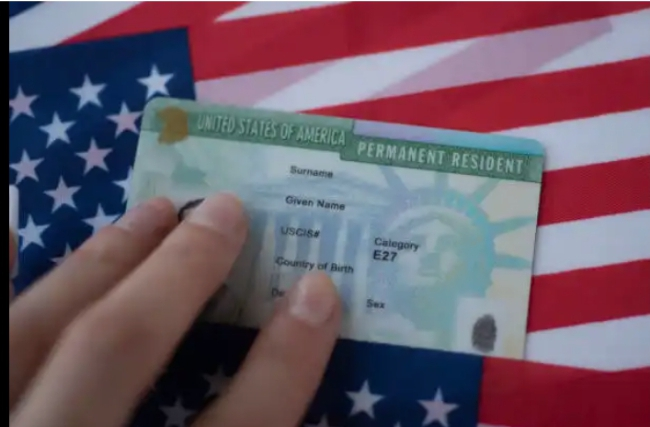
President Donald Trump framed the shooting as a “terrorist attack,” using the incident to justify drastic policy shifts designed to restrict immigration from countries he considers high-risk.
Trump criticised earlier immigration decisions linked to Operation Allies Welcome, claiming previous vetting approaches underestimated the potential dangers posed by individuals entering under emergency evacuations.
He ordered all green card applications from nineteen nations to undergo renewed scrutiny and declared his intention to suspend immigration from “all Third World countries” indefinitely.
Although he did not specify which nations fall within this definition, critics argued the terminology fosters broad discrimination and enables sweeping policy actions without clear legal boundaries.
Trump also declared plans to denaturalise individuals he views as threats to domestic tranquillity and remove migrants he considers economic or cultural liabilities to the United States.
Civil-rights organisations condemned the proposals as unconstitutional, arguing they echo earlier initiatives struck down by courts during Trump’s previous term due to discriminatory intent.
Advocates warned the visa freeze disproportionately impacts Afghans who assisted US operations and still rely on American protection due to persistent threats from armed groups.
Legal experts said the asylum decision halt could leave vulnerable applicants stranded for months or years, potentially violating international obligations requiring timely protection for those fleeing persecution.
They added the changes risk overwhelming courts and humanitarian agencies, as applicants unable to proceed remain in legal limbo with limited access to work, housing, or essential support.
Immigration lawyers stressed that blanket suspensions rarely improve national security, instead delaying legitimate cases while allowing false assumptions to shape policy without evidence-based assessment.
Community leaders representing Afghan diaspora groups expressed fear the freeze unfairly stigmatizes tens of thousands already residing legally in the United States.
They said many Afghans face renewed emotional trauma, worried the suspension will trap family members in conflict zones with no safe pathway for relocation or reunification.
Advocacy groups noted that Afghans resettled under Operation Allies Welcome underwent multiple security screenings involving intelligence agencies, defence departments, and biometric systems before entry.
They argued the Washington attack should not justify generalised suspicion, warning such reactions fuel xenophobia and misrepresent communities overwhelmingly committed to peaceful integration.
Political analysts said the administration’s messaging signals a significant shift toward hardline policies that will shape public debate ahead of upcoming legislative battles on immigration.
Supporters of the crackdown said the measures restore control over a system they believe suffered from inconsistent oversight under previous leadership, resulting in harmful oversights.
They argue enhanced screening, stricter entry restrictions, and reassessments of past approvals will collectively strengthen long-term national security and prevent future domestic attacks.
Opponents counter that sweeping measures following a single incident risk undermining constitutional protections, humanitarian commitments, and America’s reputation as a refuge for vulnerable populations.
They emphasised the need for targeted reforms rather than broad suspensions, insisting that nuanced policy—rather than reactionary directives—reduces security risks without harming innocent applicants.
Security analysts said the Washington attack will likely influence intelligence-sharing practices, prompting new inter-agency collaboration requirements designed to improve early detection of potential domestic threats.
Officials have provided no timeline for resuming visa issuance, stating the US pauses visas for Afghan passport holders until federal agencies complete exhaustive national security evaluations.
Experts anticipate changes may include expanded biometric screening, stricter interview requirements, increased intelligence vetting, and enhanced cross-agency data integration for future applicants.
While the policy remains under review, thousands of Afghans across the globe face indefinite uncertainty, strained family ties, and higher risk exposure due to the sudden suspension.
The broader immigration freeze marks one of the most significant restructurings of US migration policy in recent years, reshaping legal procedures and redefining criteria for entry.
Observers predict legal challenges will emerge quickly, with civil-rights organisations preparing to contest broad suspensions they view as politically motivated rather than substantiated by evidence.
The ultimate impact of the measures will depend on how long the suspension lasts, the severity of new requirements, and whether courts determine the policies exceed executive authority.
For now, the US pauses visas for Afghan passport holders as national debate intensifies, reflecting deep divisions about security, immigration, and America’s role as a destination for those seeking protection.
About The Author