A fresh wave of US Iran strikes has torn through a shaky ceasefire, pushing the Middle East to the brink again. On July 8, 2026, the US military launched new attacks on Iran after Tehran targeted commercial vessels in the Strait of Hormuz. Hours later, Iran fired missiles and drones at US bases in Bahrain and Kuwait. At the NATO summit in Ankara, US President Donald Trump declared the interim peace deal “over.”
Trump Goes Scorched-Earth At NATO Summit In Ankara
The NATO gathering was meant to focus on defense spending and the alliance’s pivot to the Indo-Pacific. Instead, it became the stage for Trump’s hardest line on Iran yet.
“They’re Scum. They’re Sick People”
Asked whether the memorandum of understanding signed last month still stood, Trump didn’t hesitate.
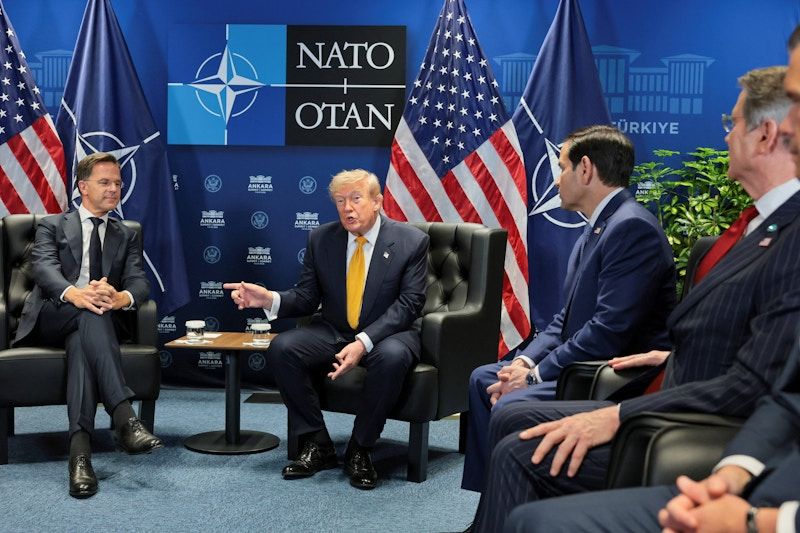
“To me, I think it’s over. I don’t want to deal with them. They’re scum. They’re sick people. They’re led by sick people,” he told reporters alongside Secretary General Mark Rutte.
“We make a deal, everyone’s agreed, no nuclear weapon. We make a deal, they go outside, talk to the press, they say we never even talked about it. There’s something wrong with them. They’re cuckoo. As far as I’m concerned, it’s over. They can talk, but I think they’re wasting their time.”
Trump also took aim at allies. He said he had ordered Treasury Secretary Scott Bessent to “cut off all trade with Spain,” calling Madrid “a terrible partner” in NATO. “Spain is a wasted cause… watch them come running back,” he added. On Greenland, he complained NATO “wasn’t there for us.”
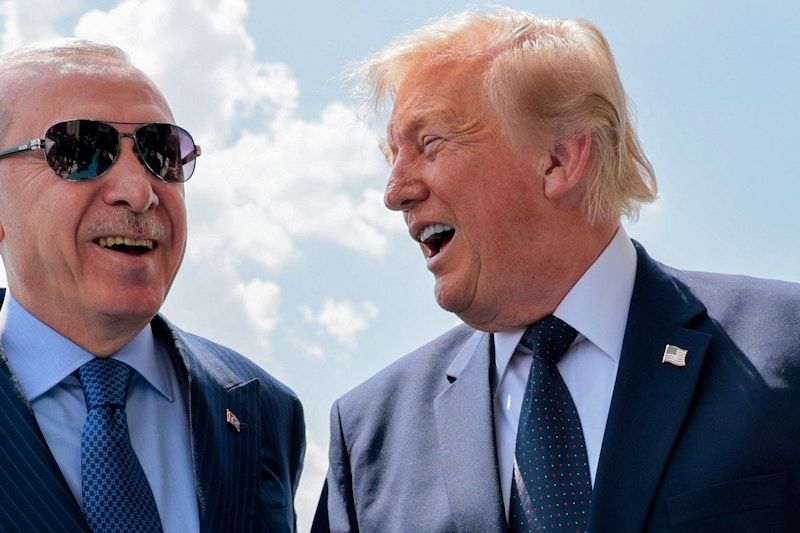
NATO’s Rutte backed Washington. “When you have a ceasefire and Iran is basically violating the ceasefire, I think it is totally crucial that the US forcefully react,” Rutte said, calling the new US Iran strikes “absolutely necessary.”
Iran Retaliates: Missiles And Drones Hit Gulf Bases
Tehran responded within hours. The Islamic Revolutionary Guard Corps said its navy and aerospace forces carried out a joint operation “targeting 85 key US military sites” in the region.
Bahrain And Kuwait Under Fire
Targets named included Bandar Salman in Bahrain, home to the US Fifth Fleet, and Ali Al Salem Air Base in Kuwait. Sirens sounded multiple times in Bahrain on Wednesday morning. The IRGC also claimed it shot down a US MQ-9 drone “attempting to interfere in the operation.”
Kuwait’s foreign ministry condemned “repeated Iranian attacks on its territory,” saying they violated sovereignty and threatened citizens. So far, no casualties or major damage have been confirmed by authorities in either country.
Iran’s foreign ministry released a statement saying US actions, including revoking Iran’s oil sales license and the latest strikes, have rendered parts of the ceasefire “ineffective.” It accused Washington of interfering with arrangements to clear passage in the Strait of Hormuz and warned Gulf states not to let their territory be used for new US attacks.
State media also reported that a member of the Revolutionary Guards Navy was killed “while confronting US drones” near Mashahr port.
Strait Of Hormuz: Why The World Is Watching
The trigger for the escalation was maritime. The US said it launched the US Iran strikes in response to Iranian attacks on three commercial vessels transiting the Strait of Hormuz.
A Chokepoint For Global Energy
The strait is only 33 km wide at its narrowest point, with shipping lanes just 3 km wide in either direction. It is the only sea exit for oil and LNG from Saudi Arabia, Iran, Iraq, Kuwait, UAE and Qatar.
Normally, about a fifth of the world’s oil and liquefied natural gas passes through it. Since the war began in February, traffic has collapsed. Reuters data shows “only a minuscule percentage of vessels transiting, compared with around 125 to 140 daily passages before the Iran war began.”
France and Britain floated a multinational maritime mission at side-talks with Gulf ministers on Tuesday. But diplomats said Iran’s rejection makes it unlikely to break the deadlock. The EU Aviation Safety Agency responded by extending its warning, telling airlines not to operate in Iraqi and Iranian airspace until August 31.
Dutch Prime Minister Rob Jetten said before the summit that violations of the “fragile” ceasefire “will not be accepted” but stressed “maximum diplomatic pressure to make sure talks continue.”
The Collapse Of Doha Talks And What Comes Next
This is the heaviest exchange of fire since late June and it has effectively killed the diplomatic track that was supposed to end a four-month war.
From “Positive Progress” To “Ineffective”
Sources familiar with the last round of indirect talks in Doha on June 29 said negotiators spent two days discussing maritime security and unfreezing Iranian funds. The Iranian foreign ministry called it “positive progress” and “building on the outcomes” of a Switzerland summit.
Trump at the time said the two sides were making progress on limits to Iran’s nuclear program, the stated reason for the US and Israeli strikes in February. But sources said the nuclear issue “did not come up” in Doha. US Vice President JD Vance said it would be “addressed later.”
Now Iran says the truce is unworkable. The US says Iran violated it first. With Trump declaring “I think it’s over,” there is currently no diplomatic channel open.
Canadian Prime Minister Mark Carney, arriving in Ankara, noted that allies are “taking on more” within NATO as the US shifts resources. But in the Gulf, the burden is falling on ships, oil markets, and civilians.
Markets, Militaries And The Road Ahead
Oil prices jumped moderately on the news. Shipping insurers raised risk ratings for the Gulf to “severe.” Several LNG and crude tankers turned back from Hormuz on Tuesday night, according to tracking data.
Militarily, all US bases in the region are now on high alert. The IRGC statement declared them “legitimate targets.” The Pentagon has not confirmed damage from the Iranian strikes but Central Command released video of its own strikes inside Iran.
Diplomatically, the options look thin. Trump said he didn’t even want NATO’s help on Iran: “We don’t need anybody’s help. I didn’t even want their help. But before I asked, they said they wouldn’t be there,” he said, pointing at Britain, France, Germany and Italy.
Read also:US Airman jurisdiction dispute raises questions after Cambridgeshire case moved to US Court
For now, the world is waiting to see if this is another escalation that burns out, or the start of a wider conflict. What is clear is that the interim deal painstakingly built in June is, in Trump’s words, “just a waste of time.” And in the Strait of Hormuz, the tankers are still waiting.
About The Author