US backs Pakistan right to defend itself after Islamabad launched air and missile strikes on Afghan cities, sharply escalating tensions with the Taliban-led government in Kabul.
Washington’s endorsement followed overnight bombardments targeting multiple Afghan provinces, as Pakistan cited cross-border militant attacks and deteriorating security conditions along the frontier.
US officials framed the position as support for self-defence, while urging restraint amid fears the confrontation could destabilise South and Central Asia.
A senior US diplomat said Pakistan faced “real and ongoing security threats,” adding that “every state retains the right to defend its citizens from armed attacks.”
The Taliban government, meanwhile, signalled willingness to de-escalate, insisting dialogue remained possible despite what it described as a “grave violation” of Afghan sovereignty.
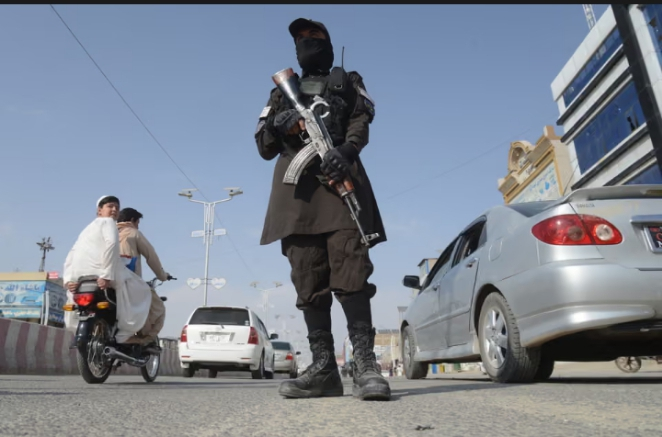
Taliban spokesman Zabihullah Mujahid said: “The Islamic Emirate has always preferred resolving issues through dialogue, and we still seek peaceful solutions.”
He confirmed that Pakistani strikes struck areas including Kabul, Kandahar, Paktia, Paktika, Khost, and Laghman over two consecutive nights.
Local residents reported explosions near civilian neighbourhoods, heightening fears of casualties and further displacement in already fragile communities.
Pakistan’s defence minister Khawaja Muhammad Asif earlier declared the country was in an “open war” phase with Afghanistan.
“Pakistan’s patience has run out,” Asif said, accusing Kabul of failing to curb militant groups targeting Pakistani territory.
Islamabad maintains that Afghan soil is being used by armed factions to plan and execute cross-border attacks, a claim repeatedly denied by Taliban authorities.
Taliban officials rejected allegations of harbouring militants, stating Afghanistan would not allow its territory to be used against neighbouring states.
The latest violence followed an Afghan attack on Pakistani border troops, which Kabul said was retaliation for earlier Pakistani airstrikes.
Analysts warn the tit-for-tat risks locking both sides into a dangerous cycle of escalation with limited diplomatic off-ramps.
The US position was outlined after Allison Hooker spoke with Pakistan’s foreign secretary Amna Baloch.
Hooker said Washington expressed condolences “for lives lost” and reiterated support for Pakistan’s right to defend itself against Taliban attacks.
“We continue to monitor the situation closely,” Hooker wrote, signalling US concern over the rapidly evolving crisis.
Pakistan remains a key US ally in the region, despite strained relations since the Taliban returned to power in 2021.
Washington still designates the Afghan Taliban as a terrorist organisation, following the chaotic US-led withdrawal from Afghanistan.
European leaders also voiced alarm, urging restraint and warning the conflict could spill across borders.
The European Union called for “immediate de-escalation and a halt to hostilities.”
EU foreign policy chief Kaja Kallas warned of “serious implications” if violence continued unchecked.
“The protection of civilians must be ensured, and international humanitarian law fully respected,” Kallas said in a formal statement.
She added that Afghan territory must not be used to threaten neighbouring states, echoing longstanding Western concerns.
The United Kingdom also intervened diplomatically, urging calm and renewed negotiations.
UK foreign secretary Yvette Cooper said Britain was “deeply concerned” by the escalating confrontation.
“We urge both sides to take immediate steps toward de-escalation and avoid further civilian harm,” Cooper wrote on X.
Previous attempts to stabilise relations have faltered despite mediation by regional and international actors.
A Qatari-brokered ceasefire temporarily halted clashes in 2025, but subsequent talks in Istanbul failed to secure lasting peace.
Security experts warn renewed fighting could undermine fragile regional trade routes and humanitarian operations.
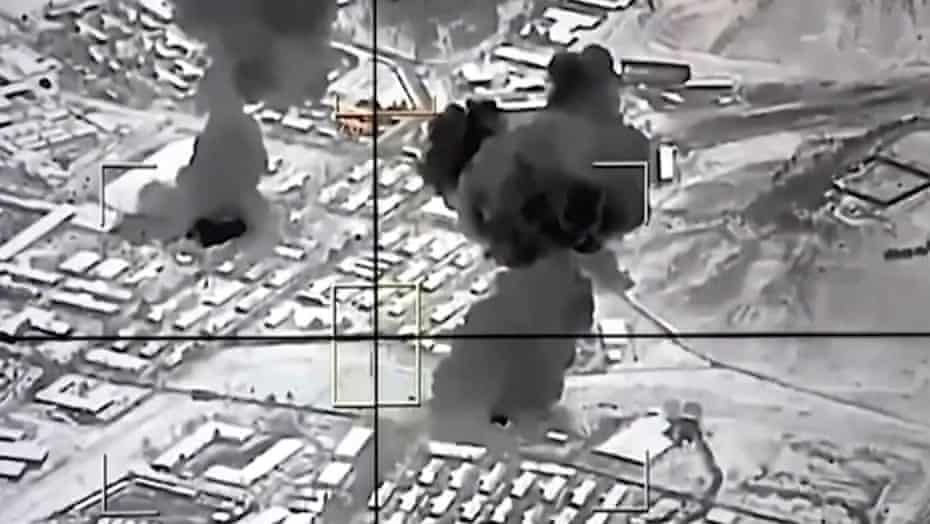
Pakistan fears instability could embolden militant networks already operating along the porous border.
Afghanistan, meanwhile, faces deepening economic isolation and humanitarian strain amid frozen assets and limited recognition.
Civilians on both sides now brace for further violence as diplomatic efforts struggle to regain momentum.
Observers say sustained dialogue remains the only viable path to preventing a wider regional crisis.
About The Author