UNILAG Filming Ban enforces strict rules against unauthorized video shoots on campus to protect academic integrity and preserve institutional image.
The UNILAG Filming Ban has been officially enforced by the University of Lagos (UNILAG), Akoka, as the institution moves to stop unauthorized video production within its premises.
This new directive restricts skit makers, filmmakers, and social media content creators from using the campus—including classrooms, hostels, and other facilities—for filming without prior approval.
In a statement released on Thursday, October 28, and signed by the Head of the Communication Unit, Mrs. Adejoke Alaga-Ibraheem, the university expressed serious concern over the rising number of individuals using the campus for skits, movies, and online videos without authorization.
The UNILAG Filming Ban is intended to protect the institution’s academic environment, uphold security, and maintain the university’s public image.
“The attention of the University of Lagos Management has been drawn to the increasing use of the University premises, including hostels and other facilities, for shooting of films, videos, skits, vox pop, and other cinematographic activities without appropriate authorisation,” the statement read.
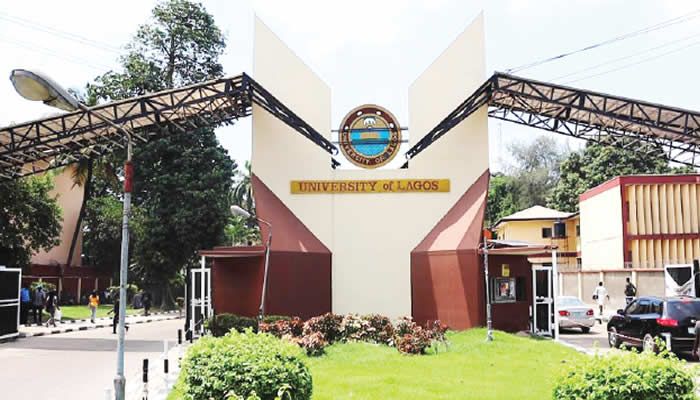
According to the management, the UNILAG Filming Ban aims to safeguard the university from misrepresentation in unregulated media productions. The institution emphasized that its reputation has occasionally been compromised by inappropriate or misleading content filmed within its environment.
UNILAG noted that while it appreciates creative expression and digital innovation, the right to film or record within the university must be guided by institutional ethics and decorum.
By introducing this measure, the university seeks to ensure that all creative activities on campus reflect its values of excellence, discipline, and integrity.
To prevent misuse of campus spaces, the university clarified that all forms of video recording or photography for public use must receive official authorization from the Communications Unit.
Applicants are expected to submit details of their production, intended filming locations, and the purpose of the content.
The UNILAG Filming Ban applies to everyone, including students, lecturers, and external collaborators. Failure to obtain approval may result in disciplinary actions, suspension of privileges, or legal sanctions for external violators.
“Members of the University community and the general public are therefore advised to comply strictly with this directive in the interest of order, safety, and collective responsibility,” the statement added.
The enforcement of the UNILAG Filming Ban underscores the institution’s resolve to maintain a secure and academic-focused environment.
The university management explained that unapproved video activities could lead to security breaches, privacy violations, and unnecessary distractions for students and staff.
In recent years, several Nigerian universities have faced similar challenges, where viral skits or videos filmed within campuses portrayed distorted narratives about academic life.
UNILAG’s decision, therefore, is part of a broader effort to protect its image as one of Nigeria’s most respected higher institutions.
By ensuring compliance with the UNILAG Filming Ban, the management believes it can encourage responsible creativity while preventing the misuse of its facilities for content that undermines the university’s core values.
Though the policy has sparked debate among students and content creators, the university clarified that it is not trying to stifle creativity but to regulate it responsibly. UNILAG welcomes media collaborations that promote education, innovation, and culture—as long as such projects follow due process.
The UNILAG Filming Ban does not entirely forbid filming on campus but requires that all activities go through formal approval channels. The university maintains that protecting its academic environment takes priority over unrestricted creative access.
For decades, UNILAG has earned its reputation as a center of learning, research, and leadership development. The management believes that unregulated filming could compromise this legacy by allowing misrepresentations to circulate online.
The UNILAG Filming Ban therefore reinforces the university’s commitment to integrity, safety, and order. It ensures that all activities within its campus—academic or creative—reflect the institution’s high standards and contribute positively to its public image.
The UNILAG Filming Ban represents a strategic step by the University of Lagos to uphold discipline, preserve its academic culture, and protect its students from unnecessary exposure.
The institution remains open to partnerships with responsible content creators who align with its principles and seek approval before filming.
Through this regulation, UNILAG continues to assert its leadership in setting academic and ethical standards, ensuring that creativity and education coexist within a framework of respect, order, and accountability.
More news at ireport247news