

The UN Security Council has officially voted to endorse Donald Trump’s Gaza plan, a landmark effort aiming to stabilize the region while potentially paving a path toward Palestinian statehood.
The resolution passed 13-0, with China and Russia abstaining, reflecting a rare moment of international consensus on Gaza despite lingering geopolitical tensions and decades-long conflict in the region.
US Ambassador to the UN, Mike Waltz, praised the vote, calling it “a historic step toward peace for Israelis, Palestinians, and all people of the Middle East.”
Arab and Islamic nations, including Algeria, supported the resolution after securing language that references a potential independent Palestinian state, signaling conditional but important regional backing for implementation.
Algerian envoy Amar Bendjama said, “This text balances the maintenance of the ceasefire with the recognition of Palestinian rights. It establishes foundations for eventual self-determination.”
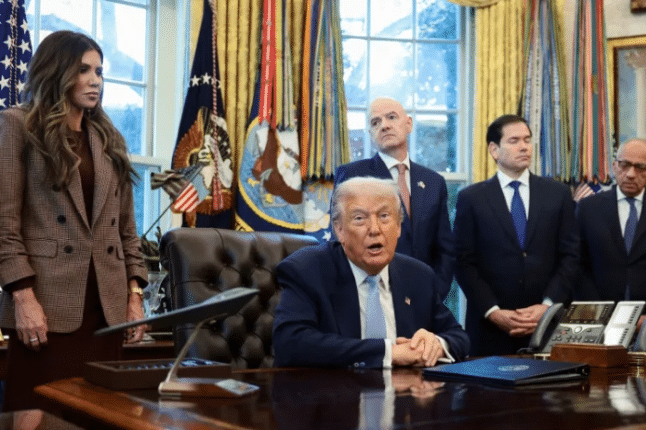
Israel’s Prime Minister Benjamin Netanyahu reaffirmed opposition to a Palestinian state, however, suggesting possible friction between UN-mandated plans and Israeli domestic politics, especially from his governing coalition’s right-wing factions.
Hamas rejected the resolution immediately, describing it as an “international guardianship mechanism” and insisting, “Our people and factions will not disarm under external supervision or imposed mandates.”
The international stabilisation force (ISF) envisioned in the plan will fill security gaps after Israel’s partial withdrawal and manage humanitarian aid for approximately 2.2 million Palestinians in Gaza.
European diplomats stressed that names of the Palestinian technocratic committee overseeing daily governance and reconstruction must be agreed upon swiftly to maintain credibility and operational readiness.
James Kariuki, UK chargé d’affaires, said, “The transitional arrangements must be implemented respecting international law, Palestinian sovereignty, and ensuring meaningful progress toward self-determination.”
The resolution’s language regarding Palestinian statehood is intentionally conditional, contingent upon governance reforms and the successful reconstruction of Gaza, highlighting compromises made to secure UN and Arab support.
Waltz emphasized that Arab support was crucial, noting that countries willing to contribute troops require assurances that Palestinian sovereignty is respected, providing legitimacy for international stabilisation efforts.
Bendjama highlighted the resolution’s annex, stating, “It affirms no annexation, no occupation, and no forced displacement. All parties are obligated to respect these principles as part of their compliance.”
Hamas’s rejection introduces significant operational risks for the ISF, as troop contributors remain uncertain and no nation has yet committed to confronting armed factions resistant to oversight.
Trump hailed the resolution as “a moment of historic significance,” promising updates on the Board of Peace and forthcoming announcements regarding troop contributions and international cooperation.
The Board of Peace, chaired by Trump, will have oversight responsibility but uncertain authority, raising questions regarding coordination with the UN and the Palestinian Authority in Gaza.
Analysts point out that this represents a rare instance of UN concerted action on Gaza, following two years of diplomatic stalemate that saw over 71,000 Palestinian deaths and widespread humanitarian crises.
China and Russia’s abstentions were interpreted as cautious diplomacy, signaling reluctance to endorse a US-led plan without resolving sovereignty, governance, and force deployment uncertainties.
The inclusion of Palestinian statehood references was necessary to secure Arab support, though the language promises recognition only after specific preconditions are met, including governance reform and reconstruction progress.
Some European council members acknowledged that while the text is a compromise, it allows immediate humanitarian measures, including the lifting of aid restrictions and initial steps toward infrastructure rebuilding.

The resolution leaves many implementation details vague, including troop contributions, ISF mandate execution, and how to manage potential armed resistance from factions like Hamas in Gaza.
Hamas called the resolution a “foreign imposition,” warning, “Any attempt to disarm Gaza’s factions will meet resistance,” raising serious concerns about operational feasibility for the ISF and UN coordination.
European diplomats stressed urgency in establishing the Palestinian technocratic committee to ensure daily governance and service delivery, a prerequisite for conditional progress toward Palestinian statehood.
Waltz framed the resolution as forward-looking, saying, “This opens doors for stability, reconstruction, and provides a credible pathway for Palestinian self-determination under secure, internationally monitored conditions.”
The UN-endorsed plan seeks to balance Israeli security concerns, Palestinian aspirations, and international norms, but political tensions threaten smooth execution and may complicate the stabilisation mission’s objectives.
Observers note that while the resolution is historic, lack of firm commitments from Israel, Hamas, and potential troop-contributing nations could delay reconstruction, humanitarian aid, and governance reforms.
The resolution’s compromise wording ensures that Arab nations’ concerns were addressed sufficiently to support peacekeeping contributions, but operational success relies heavily on troop participation and political coordination.
UN diplomats emphasize that the ISF’s mandate to disarm and dismantle armed groups is conditional, raising questions about how far contributing countries will go in confronting militant factions.
Hamas reiterated its rejection of disarmament, indicating that the organisation may challenge ISF authority and complicate delivery of services to Gaza’s civilian population during reconstruction.
Trump celebrated the Council’s endorsement on social media, calling it “a historic achievement” and promising forthcoming announcements about the Board of Peace, troop deployments, and reconstruction efforts.
The Board of Peace’s membership and decision-making authority remain undefined, creating ambiguity regarding UN oversight and Palestinian Authority participation in governing and reconstruction tasks.
Implementation of Donald Trump’s Gaza plan hinges on cooperation between international actors, Palestinian authorities, and Israel, but political disputes and militant opposition may hinder progress toward stabilization and sovereignty.
The resolution marks a rare instance of coordinated action in the Middle East after years of deadlock, highlighting the UN’s potential role in mediating between conflicting parties for humanitarian and political outcomes.
Analysts note that the abstentions of China and Russia avoided vetoing the resolution but left open questions about geopolitical tensions influencing implementation and stability in Gaza over the medium term.
The conditional approach to Palestinian statehood, tied to governance reforms and reconstruction milestones, is meant to ensure realistic progress but may delay tangible sovereignty and test international commitment to the plan.
Waltz stressed that the resolution establishes a framework for reconstruction and governance, noting, “It provides a credible pathway for Palestinians while ensuring international oversight and security in Gaza.”
European council members emphasized that while statehood language is vague, immediate humanitarian relief, reconstruction, and stabilization efforts must take priority for Gaza’s population of over two million people.
Observers have noted that while Donald Trump’s Gaza plan secures unprecedented multilateral support, operational gaps, lack of troop commitments, and political resistance may undermine its long-term effectiveness and credibility.
The UN Security Council’s vote represents a historic alignment of international, Arab, and Western actors, but the resolution’s vague mandates highlight the complexity of balancing security, humanitarian relief, and conditional sovereignty.
Bendjama reiterated that the resolution’s annex provides the necessary framework for Palestinian rights, stating, “Compliance with the annex is essential to safeguard sovereignty, prevent annexation, and ensure reconstruction aligns with international law.”
Hamas’s firm stance against disarmament signals that conflict with international stabilisation forces may arise, creating challenges for troop-contributing nations and the Board of Peace in managing day-to-day governance.
Diplomatic sources stress that conditional statehood and governance reforms are critical to ensure legitimacy, but ambiguous timelines may result in political delays and continued instability if parties fail to comply.
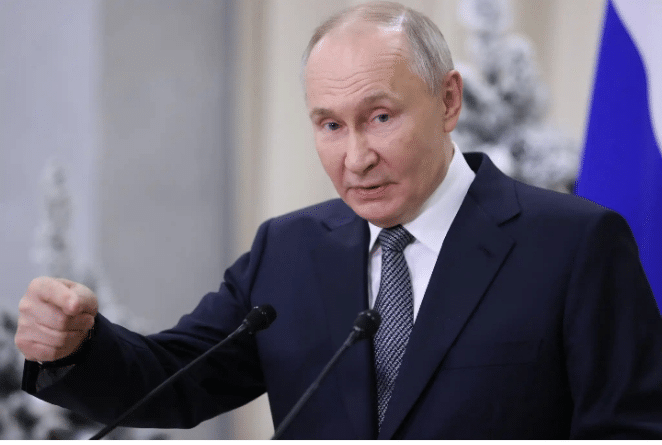
Trump hailed the Council’s decision as “historic,” promising announcements of troop contributions, Board of Peace members, and a comprehensive plan for rebuilding Gaza under international supervision and conditional Palestinian sovereignty.
The ISF mandate, governance structures, and reconstruction planning outlined in the resolution rely on unprecedented coordination among international actors, Palestinian authorities, and regional powers, highlighting both opportunity and complexity.
UN officials note that conditional Palestinian sovereignty, paired with international oversight, is a delicate balancing act, aiming to protect civilian populations while allowing gradual progress toward self-determination and political stability.
Observers warn that the plan’s success depends on compliance from Israel, Palestinian factions, and contributing countries, with potential risks including delayed aid, non-participation in governance, and armed resistance disrupting stabilization.
Despite challenges, Donald Trump’s Gaza plan represents an historic effort by the UN Security Council to provide a framework for stabilization, conditional statehood, and humanitarian reconstruction in a volatile region.
Read more: Ireport247news
About The Author


