The United Nations has officially approved Donald Trump’s proposed international stabilisation force in Gaza, marking a dramatic turning point that diplomats describe as “historic, risky, and potentially transformative” for regional security.
Global reaction to the decision has intensified, with senior envoys insisting the deployment represents a rare moment of unified international resolve, even as several nations warn of significant operational challenges ahead.
Trump celebrated the approval, telling reporters the decision “proves the world is finally ready to restore order,” adding that the mission will “protect civilians and secure lasting stability.”
UN officials confirmed the force will include contributions from over twenty countries, with one ambassador saying the coalition was built on “difficult compromises, urgent diplomacy, and a shared understanding that Gaza cannot remain ungoverned.”
A senior UN peacekeeping adviser insisted the mandate was designed with “strict civilian-protection requirements,” emphasizing that member states demanded “clear rules, transparent oversight, and measurable humanitarian outcomes.”
Israeli authorities welcomed the approval, with one national security aide stating the mission “gives Israel breathing space and creates conditions for coordinated reconstruction while limiting extremist threats emerging from the enclave.”
However, Palestinian representatives expressed deeper caution, with a senior Gaza-based official arguing the force “must prioritise humanitarian dignity,” stressing that “any mission failing to place people first will quickly lose legitimacy on the ground.”
Arab diplomats, though supportive, warned the coalition must avoid “excluding regional voices,” noting that previous international missions faltered because “local partners were sidelined and critical realities were overlooked.”
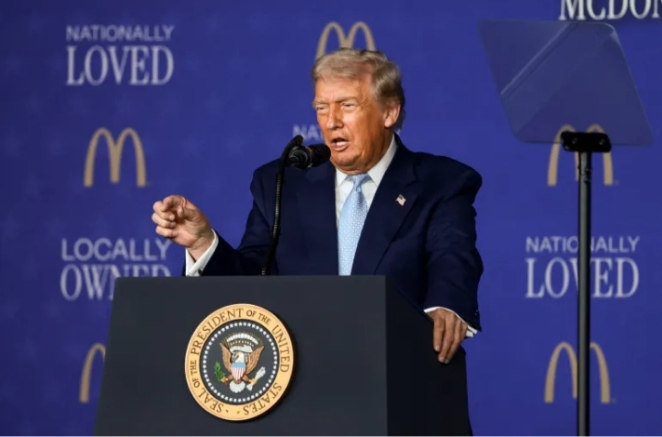
The United States will provide logistical leadership but not direct command, according to administration officials, who insisted the structure was intentionally designed to “avoid perceptions of unilateral American control.”
A European foreign minister privately expressed concern that Washington’s influence remains “substantial,” remarking that “even without commanding troops, the US retains significant sway through intelligence, supply chains, and planning.”
Trump pushed back on the criticism, saying opponents were “inventing excuses,” before adding, “This mission only works because countries trust America to coordinate the tough parts.”
Humanitarian agencies cautiously welcomed the UN vote, emphasising that aid corridors must be guaranteed and protected, with one coordinator saying, “Without safe access, the mission collapses before it even begins.”
Field workers in Gaza stressed the urgency of stabilisation, explaining that “food lines stretch for hours, medical supplies run dangerously low, and entire neighbourhoods lack basic infrastructure after months of intense conflict.”
Diplomats familiar with the negotiations said the breakthrough only happened after last-minute concessions, including expanded humanitarian oversight and a commitment to quarterly civilian-impact reviews.
One negotiator revealed that “several nations refused to support the plan unless independent inspectors were included,” ultimately resulting in a monitoring mechanism that “adds credibility and global accountability.”
Trump insisted the force will prevent extremist groups from regaining control, stating, “We are not repeating past failures. Gaza will finally have a chance at safety and responsible governance.”
Security analysts warn the mission’s success will depend heavily on coordination with local networks, with one expert saying, “Foreign boots alone can stabilise nothing without genuine community engagement.”
Israel will maintain defensive perimeter responsibilities but agreed to reduce certain patrol areas as the stabilisation force expands, a shift described by one military official as “delicate but achievable.”
The move has already reshaped regional politics, prompting Gulf states to deepen cooperation, with one adviser saying the vote “reflects a new diplomatic geometry where stability outweighs traditional rivalries.”
Critics argue the operation risks mission creep, warning that vague timelines could lead to extended occupation-like conditions, a concern repeatedly raised during late-night negotiations before the final vote.
The UN Secretary-General urged patience, telling delegates the world must “measure success not in weeks or months but in the long, careful work of restoring human security and institutional capacity.”
Trump declared the mission represents “a global turning point,” insisting that “when nations act together, peace becomes achievable, not theoretical,” despite strong scepticism among policy analysts watching closely.
Yet the diplomatic momentum continues growing, with ambassadors confirming additional states have volunteered support teams, engineering units, and medical contingents to reinforce the initial deployment wave.
Veteran peacekeeping officials note the force is among the most complex operations ever authorised, describing it as “a hybrid model combining security enforcement, humanitarian coordination, and political reconstruction.”
Regional media reported a surge in public debate across the Middle East, with citizens questioning how the mission will interact with existing governance structures and long-standing territorial disputes.
Civil society groups urged the coalition to involve local communities in every phase, saying “real peace begins with recognizing the lived experiences and daily fears of Gaza’s people.”
A senior Western diplomat predicted early challenges, warning that “armed factions may test the mission’s resolve,” but added that unified international backing “will limit such provocations.”
Trump continued defending the initiative, arguing it “brings common sense to a place where chaos reigned for too long,” while calling critics “out of touch with the realities ordinary people face.”
Analysts agree the mission’s legitimacy will depend on avoiding disproportionate force, with one expert noting “the smallest misstep could inflame tensions and undermine the entire stabilisation framework.”
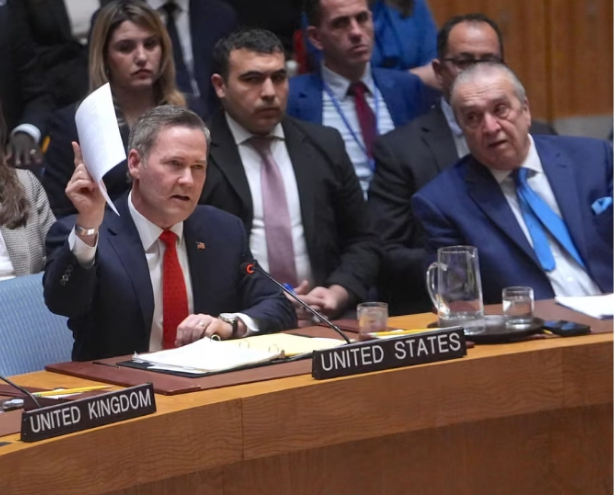
Despite uncertainties, UN planners remain optimistic, saying the coordinated structure “offers Gaza its clearest path toward sustainable recovery in decades, provided all parties uphold their commitments.”
Member states now face the challenge of translating diplomatic consensus into operational success, a process observers predict will require “patience, transparency, and unwavering international resolve.”
Read more:ireport247news
About The Author