The Israeli strike on refugee camp in Lebanon has stirred intense regional alarm as residents, aid workers, and officials struggle to process a sudden escalation shattering an already fragile ceasefire.
Families fled the camp in shock, recounting terrifying moments when explosions tore across densely packed homes, prompting urgent questions about civilian safety during increasingly unpredictable cross-border tensions.
Witnesses described chaos as smoke rose from football fields usually filled with children, highlighting the indiscriminate nature of violence that destabilises communities already traumatised by long conflict.
Humanitarian responders spoke of extreme difficulty accessing affected areas, explaining that debris, unexploded remnants, and ongoing military overflight risk have complicated immediate rescue operations after last night’s strikes.
Local residents shared emotional accounts, saying they feared more attacks could follow, expressing frustration that regional powers failed to enforce meaningful protections despite repeated warnings from camp representatives.
Aid organisations urged rapid international intervention, with one relief coordinator insisting the scale of destruction reflected a “dangerous slide toward unchecked hostilities requiring urgent diplomatic pressure.”

Health officials confirmed rising casualty figures through the night, explaining that several critically wounded residents were rushed to hospitals already overwhelmed with conflict-related injuries from previous exchanges.
Doctors described severe burns, shrapnel wounds, and trauma-related complications, noting that limited medical supplies were stretched further by sudden surges of patients following the overnight bombardment.
Local authorities condemned the attack’s timing, arguing that targeting densely populated civilian zones during early morning hours demonstrated disregard for longstanding humanitarian norms established under international law.
Lebanese commentators warned that repeated escalations risk drawing the country further into confrontation, especially as communities along border regions prepare for additional disruptions to daily life.
Analysts pointed out increased military activity across southern Lebanon, citing multiple reports indicating cross-border fire patterns have intensified despite diplomatic efforts aimed at stabilising delicate security arrangements.
Residents expressed fear that retaliatory measures might ignite wider conflict, emphasising the psychological toll of constant uncertainty as families attempt to preserve routine amid unpredictable wartime conditions.
International observers cautioned that recent developments could undermine diplomatic negotiations surrounding Gaza, where ceasefire stability remains dependent on preventing collateral escalation across neighbouring territories.
Regional diplomats privately conveyed concern that widening violence might jeopardise newly proposed frameworks addressing governance disputes, security coordination, and humanitarian access within the broader Middle East context.
A senior mediator explained that fragile agreements require consistent restraint from all parties, stressing that actions threatening civilians damage trust essential for sustaining longer-term political solutions.
Camp elders reported significant property destruction, stating that dozens of shelters were severely damaged, leaving vulnerable families uncertain where they will sleep as winter approaches rapidly.
Volunteers attempted to distribute emergency supplies, but logistical barriers slowed delivery, reinforcing fears that displaced households may face prolonged shortages of food, water, and basic necessities.
Parents recounted terrifying scenes of children screaming during explosions, describing frantic attempts to locate missing family members while navigating debris-covered pathways illuminated only by emergency lights.
Witness accounts suggested multiple impact points within crowded areas, raising concerns that casualty numbers could rise further as recovery teams continue searching for victims trapped under rubble.
A field worker said morale among survivors was dangerously low, noting widespread despair over repeated cycles of displacement and destruction that have marked years of recurring conflict.
Community leaders appealed for immediate international monitoring, insisting external observers must verify circumstances surrounding the incident to ensure transparency during ongoing investigations into the strike.
Military analysts debated whether the attack represented a tactical operation or a signal within broader strategic calculations shaping regional power dynamics amid intensifying political competition.
One security expert argued the strike risked provoking retaliatory responses capable of destabilising border regions, stressing that unresolved tensions create conditions for broader escalation.
Regional governments issued cautious statements urging all parties to avoid further violence, warning that miscalculations during volatile periods can escalate faster than diplomatic channels can respond.
Public reaction across Lebanon demonstrated rising frustration, with citizens expressing anger that vulnerable communities repeatedly bear the brunt of regional conflicts beyond their control.
Local businesses reported closures following the attack, explaining that economic disruption had deepened uncertainty among workers already struggling under challenging financial conditions nationwide.
Political commentators argued that domestic pressures within multiple countries have contributed to unpredictable military decisions, complicating regional stability efforts coordinated through international institutions.
Residents near the camp described sleepless nights marked by fear that additional aircraft might return, forcing families to remain alert despite exhaustion and emotional trauma.
Psychologists warned that children exposed to repeated strikes face severe long-term effects, calling for immediate mental-health assistance to reduce escalating anxiety within traumatised communities.
Independent observers urged accountability mechanisms to evaluate the legality of targeting decisions, advocating transparency as essential for preventing future civilian casualties within contested areas.
Diplomats highlighted growing debate over whether expanded international involvement is required to reduce conflict intensity, noting that regional alliances increasingly shape operational strategies.
Lebanese officials demanded international condemnation, criticising what they described as “persistent violations undermining national sovereignty and civilian protection obligations under existing international norms.”
Several activists echoed similar sentiments, insisting the world must not normalise repeated attacks against refugee populations who lack conventional safeguards and political representation.
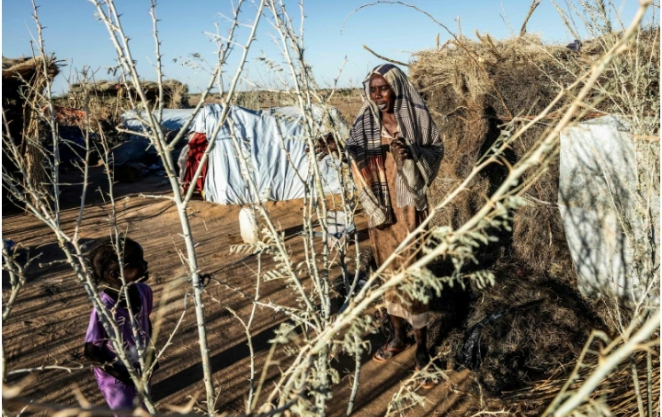
Voices from the camp called for renewed ceasefire commitments, emphasising that communities cannot endure indefinite cycles of violence without meaningful progress toward lasting solutions.
A humanitarian negotiator stressed that de-escalation requires credible enforcement mechanisms, warning that weak oversight encourages continued military actions regardless of political promises.
Residents expressed disappointment that previous international pledges to shield civilians have failed repeatedly, leaving families questioning whether any institution can guarantee their safety.
Journalists attempting to enter the camp reported restricted access due to security protocols, explaining that authorities feared secondary strikes or further instability within surrounding neighbourhoods.
Media analysts predicted that public pressure could intensify in coming days, especially if new details reveal broader implications of the attack for regional political negotiations.
Local clerics urged unity during Friday prayers, calling on communities to support affected families and reject rhetoric that amplifies division during periods of profound insecurity.
Witnesses from nearby districts said shockwaves from the explosions rattled buildings, causing structural damage that forced several residents to temporarily evacuate their homes for safety.
Environmental specialists warned that debris contamination might pose long-term risks, especially in areas where wastewater systems, electricity lines, and medical waste already challenge health conditions.
Humanitarian coalitions prepared emergency shelter options for displaced families, anticipating increased demand as weather conditions worsen and infrastructure vulnerabilities become more pronounced.
A relief supervisor explained that volunteers face overwhelming burdens, urging international donors to accelerate funding commitments supporting immediate aid distribution and longer-term reconstruction planning.
Regional security forums scheduled urgent consultations, aiming to evaluate emerging risks and propose stabilisation measures that address both cross-border tensions and local community vulnerabilities.
Commentators observed that repeated incidents erode trust between negotiating parties, complicating efforts to implement agreements requiring cooperation from militaries on both sides of contested boundaries.
Civil society groups proposed independent inquiries into the Israeli strike on refugee camp in Lebanon, arguing that impartial investigations are necessary to uphold international humanitarian standards.
Several analysts warned that parallel crises in Gaza, the West Bank, and Lebanon could converge, creating a regional flashpoint capable of overwhelming existing diplomatic frameworks.
Families returning to inspect damaged homes described scenes of destruction, noting severe emotional distress as they discovered personal belongings buried under collapsed roofs and shattered walls.
Children clung to parents while rescue workers navigated narrow alleyways, reinforcing the psychological weight carried by young survivors of yet another devastating conflict episode.
Foreign ministries issued travel warnings to citizens near border regions, signalling growing concern over unpredictable escalatory developments affecting already unstable territorial dynamics.
International legal experts emphasised the urgent need to reassess rules of engagement, warning that technological advances in warfare require updated frameworks protecting civilians from expanding risks.
Several commentators argued that protecting refugees must remain a priority, stating that repeated displacement within fragile communities reinforces cycles of trauma that obstruct any path to stability.
A former mediator insisted only sustained negotiation can prevent further casualties, stressing that unilateral military actions intensify suffering while offering no tangible path toward lasting peace.
Refugee representatives reiterated demands for accountability after the Israeli strike on refugee camp in Lebanon, emphasising that civilians must never be treated as collateral amid regional power struggles.
As night fell, survivors gathered to mourn victims, lighting candles along damaged streets while praying for calm, safety, and renewed commitment to protecting innocent lives across divided territories.