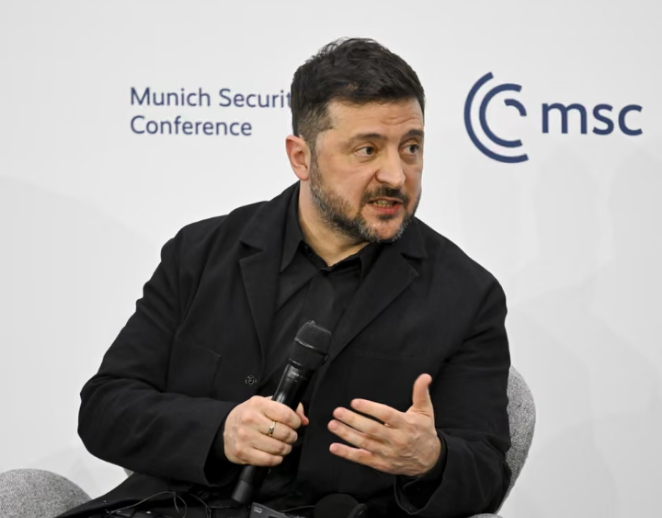
Trump calls conflict unfair to war dead and US taxpayers underscores Washington’s growing frustration with prolonged fighting, unresolved diplomacy, and the rising financial burden placed on Americans in the Ukraine war briefing.
The statement attributed to Donald Trump reflects a shift in tone from strategic patience toward sharper scrutiny of war costs.
White House officials argue the conflict’s human toll has been compounded by economic strain on American citizens funding military support without a definitive resolution.
Speaking after diplomatic meetings, the White House emphasized moral responsibility toward war victims and domestic taxpayers alike.
Spokesperson Karoline Leavitt said recent diplomatic engagement produced dialogue but failed to achieve commitments necessary for an immediate ceasefire or lasting peace.
Two days of talks hosted in Geneva concluded without breakthrough agreements between Ukrainian and Russian delegations.
Officials from both sides acknowledged discussions were substantive yet difficult, reflecting entrenched positions shaped by nearly four years of sustained military confrontation.
The Ukraine war has evolved into Europe’s most destabilizing conflict in decades, redrawing alliances and reshaping global security calculations.
Washington’s decision last year to suspend direct military aid deliveries marked a pivotal moment in American involvement.
Administration officials said the move aimed to pressure all parties toward negotiations rather than perpetuating an open-ended conflict.
Instead of unilateral funding, allies were encouraged to coordinate arms purchases through NATO-backed financing mechanisms.
Ukrainian officials expressed dissatisfaction with Geneva’s outcome, citing unresolved political and territorial disputes critical to any settlement.
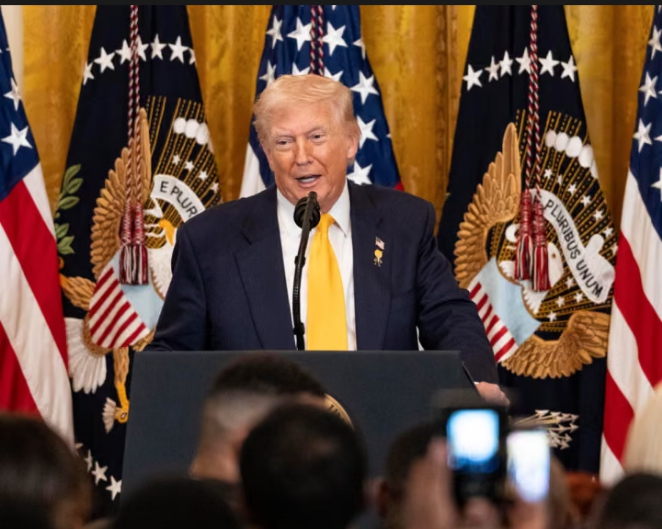
President Volodymyr Zelenskyy said military matters were addressed but sensitive political compromises remained untouched.
He noted that leadership-level engagement and territorial status discussions were postponed, limiting progress toward comprehensive peace.
Zelenskyy warned that prolonging negotiations without results risks normalising war and deepening civilian suffering across contested regions.
Russian representatives similarly described talks as challenging, highlighting disagreements rooted in security guarantees and territorial recognition.
President Vladimir Putin has consistently framed the war as defensive, rejecting concessions without binding assurances.
Moscow insists NATO’s expansion and Ukraine’s geopolitical alignment remain core obstacles to resolving the conflict.
Beyond the battlefield, the war’s economic impact continues to ripple through global markets.
India’s reduced purchases of Russian crude signal shifting energy alliances under Western sanctions pressure.
Once Moscow’s top oil customer, India has gradually diversified supplies while negotiating trade relations with Washington.
China has since replaced India as Russia’s leading buyer of seaborne crude exports.
Ukraine has expanded diplomatic pressure on countries accused of supporting Russian military operations.
Kyiv announced new sanctions targeting Belarusian president Alexander Lukashenko for alleged wartime assistance to Moscow.
Although symbolic, the measures reinforce Ukraine’s message of accountability toward regional enablers of aggression.
In Washington, lawmakers remain divided over future engagement levels.
A delegation of Democratic senators recently visited Ukraine, advocating tougher sanctions to force concessions from Moscow.
Senator Jeanne Shaheen said Ukrainians seek peace while preserving sovereignty and territorial integrity.
The visit marked the first appearance by US senators in Odesa, a strategically vital Black Sea port city.
Humanitarian consequences of the war continue to resonate internationally through cultural and sporting arenas.
Shakhtar Donetsk’s owner donated funds to Ukrainian skeleton racer Vladyslav Heraskevych following his Olympic disqualification.
The athlete had protested war deaths through symbolic imagery, drawing attention to civilian casualties beyond politics.
Within Europe, energy disputes have added strain to already fragile regional unity.
Hungary temporarily suspended diesel exports to Ukraine amid accusations over disrupted Russian oil pipeline flows.
Kyiv denied allegations of political interference, insisting disruptions were unrelated to deliberate policy decisions.
As winter conditions persist, humanitarian agencies warn of deepening hardship for displaced Ukrainian civilians.
Energy shortages, infrastructure damage, and economic disruption continue to test national resilience.
The White House maintains that diplomacy remains preferable to indefinite escalation.
Officials argue reduced financial exposure encourages negotiation rather than prolonging stalemate.
Read also: Sierra Nevada Avalanche traps 15 Skiers amid fierce California Storm
Critics warn decreased aid risks weakening Ukraine’s defensive capabilities and emboldening Russian advances.
Supporters counter that fiscal accountability must guide foreign policy decisions affecting American households.
Trump’s framing reflects a transactional approach emphasizing cost-benefit analysis in global engagement.
By highlighting taxpayer burden, the administration signals limits to sustained financial commitments abroad.
As talks remain inconclusive, the conflict’s future hinges on political will rather than battlefield momentum.
For now, diplomacy advances slowly while fighting continues, shaping Europe’s uncertain security landscape.
About The Author