The latest Russia Ukraine peace talks concluded in Geneva on Wednesday without producing a breakthrough, highlighting the persistent divide between Kyiv and Moscow as the conflict enters its fifth year.
The two-day session, mediated by the United States, was meant to address military, political, and humanitarian issues but ended after only two hours on the second day, signaling a slow and fragile negotiation process.
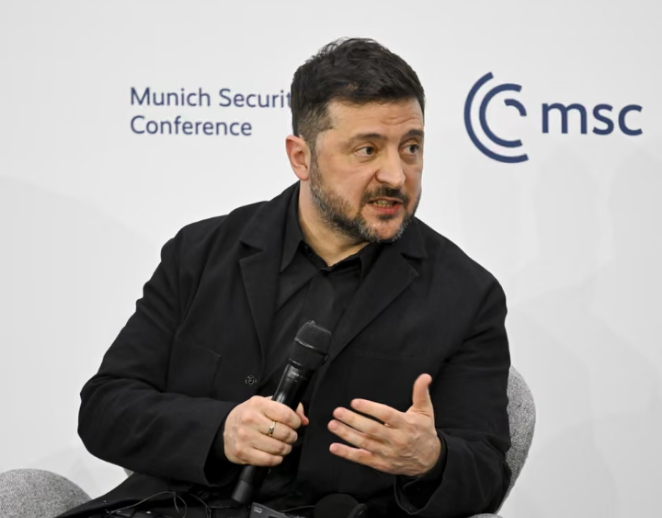
President Volodymyr Zelenskyy told reporters that despite some progress on minor issues, the talks failed to resolve the most contentious matters. He accused Russia of “trying to drag out” negotiations, suggesting Moscow was seeking to stall until the situation on the battlefield or in Western capitals shifted in its favor.
Among the unresolved issues are the status of Russian-occupied territories in eastern Ukraine and the fate of the Zaporizhzhia nuclear plant, which remains under Russian control.
Zelenskyy described these questions as politically sensitive and essential to any long-term settlement, stressing that public opinion in Ukraine would strongly oppose any deal that ceded territory unilaterally.
Discussions in the Geneva negotiations covered both military and political channels. Zelenskyy noted that military officials from both sides engaged constructively, considering frameworks for monitoring a potential ceasefire.
However, he stressed that without political will and firm guarantees from Western allies, including the United States, the plans cannot move forward.
The short duration of the talks reflects the enduring challenge of reconciling the positions of Kyiv and Moscow. Russia’s chief negotiator, Vladimir Medinsky, described the discussions as “difficult but businesslike” and indicated that further rounds of negotiation were scheduled.
Moscow continues to demand that Ukraine cede full control of disputed eastern territories as a precondition for halting hostilities, a demand that Kyiv has firmly rejected.
President Volodymyr Zelenskyy has reiterated that Ukraine would only consider territorial compromises if accompanied by robust security guarantees. He told the press, “Our people will never forgive unilateral withdrawal from Donbas.
Security guarantees must come first, then we can discuss potential arrangements.” The statement underscores the tension between domestic political pressures and international diplomatic efforts.
Analysts suggest that the Kremlin is unlikely to make significant concessions unless it faces a severe strategic or economic crisis.
While intelligence reports indicate growing difficulties in recruiting Russian troops and limited economic growth, these factors have not yet shifted Moscow’s overall strategy.
Russian political commentator Tatiana Stanovaya has stated, “As long as Putin remains in power and resources exist for military spending, the war will continue.”
The Geneva talks took place amid growing international scrutiny over the humanitarian and economic consequences of the war.
Ukrainian forces have launched several localized counteroffensives in southern regions, including around the Zaporizhzhia area, demonstrating Kyiv’s resilience despite ongoing Russian shelling. Civilians in the contested zones face severe shortages of electricity, heating, and essential supplies, raising pressure on both sides to find a diplomatic solution.
The discussions also involved the future of the Zaporizhzhia nuclear plant, Europe’s largest nuclear facility. Its presence in a conflict zone presents a unique challenge: any escalation risks a nuclear accident with regional or global consequences.
Both sides have so far avoided direct military strikes on the facility, but control over the plant remains a key bargaining point in the Russia Ukraine peace talks.
On the international stage, the United States has pushed Kyiv to consider concessions, with security guarantees to follow. This approach, however, has met resistance in Ukraine, where public opinion and lawmakers view the surrender of any territory without prearranged protections as unacceptable.
Zelenskyy has emphasized that his government will not compromise Ukrainian sovereignty for expedience, highlighting the delicate balance between diplomacy and national interest.
European leaders, meanwhile, have tempered expectations, acknowledging the difficulty of the negotiations. They argue that meaningful progress will likely depend on shifts in the military or domestic political situations, either in Russia or in Kyiv’s Western partners.
Moscow’s limited gains in recent months suggest that Russia’s war effort has slowed, but analysts caution that this may not be sufficient to compel compromise.
The stalled talks follow previous attempts at negotiations, including prisoner exchanges and ceasefire discussions, which yielded limited practical results. The repeated delays and lack of tangible progress have created frustration among diplomats and observers who had hoped for early resolutions to end the humanitarian crisis.
Despite the stalemate, Zelenskyy said the talks were “constructive” in some respects. He noted that military channels allowed both sides to better understand mechanisms for monitoring a ceasefire and managing troop withdrawals if a political solution is eventually agreed.
Nonetheless, he admitted that core disputes—territorial control, security guarantees, and the nuclear plant—remain far from resolution.
International organizations continue to call for renewed efforts, warning of the escalating costs of protracted conflict. Humanitarian groups report rising civilian casualties, worsening energy shortages, and food insecurity in contested regions.
Western intelligence reports highlight the strain on Russia’s military recruitment and resources, yet caution that these pressures have not forced Moscow to reconsider its strategic goals.
The Geneva negotiations are part of an ongoing diplomatic effort to prevent further escalation, but both sides remain entrenched. Zelenskyy has emphasized that any peace deal will require credible guarantees from the United States and other allies to ensure Ukraine’s security.
Without these guarantees, Kyiv has made clear that concessions will not be made, regardless of external pressure.
In conclusion, the Russia Ukraine peace talks in Geneva have highlighted the persistent gap between Kyiv and Moscow.
While minor progress has been made in military coordination and dialogue, the fundamental disputes over Russian-occupied territories, the Zaporizhzhia nuclear plant, and political oversight remain unresolved.

As fighting continues in eastern Ukraine and the war enters its fifth year, international observers remain cautiously attentive, emphasizing that only sustained diplomatic engagement, combined with credible security assurances, could eventually pave the way for a meaningful settlement.
About The Author